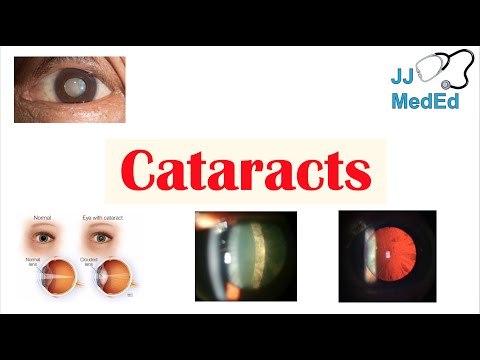
Cataracts may sound like a complex medical condition, but at their core, they represent a common change in our eyes as we age. Imagine looking through a foggy or dirty window; that’s how cataracts can make your vision appear. While it might seem like an inevitable part of aging, understanding what causes cataracts, their symptoms, and the risks associated with them can empower you to take charge of your eye health.
Cataracts develop when the lens of your eye becomes cloudy. This cloudiness interferes with light passing through, leading to blurred vision and potential challenges with daily activities. They often gradually progress and may affect one or both eyes.
Recognizing symptoms early is key to managing cataracts effectively. These can include difficulty seeing at night, sensitivity to glare from lights, and faded colors. Even simple tasks like reading or driving can become increasingly challenging.
However, while cataracts are common, it’s crucial not to overlook them. Relying solely on general information or anecdotal advice can be misleading. Always seek information from qualified specialists and reputable sources. Understanding various perspectives helps ensure you make informed decisions about your health.
As you explore this topic further, take the time to ask questions and engage with healthcare providers who can guide you toward optimal eye health solutions tailored just for you.
The information provided in this article is intended solely for general informational and educational purposes. It does not constitute medical advice, diagnosis or professional treatment, and should not be considered a substitute for consultation with a qualified doctor or other licensed healthcare professional. Any health-related decisions should be made in consultation with accredited medical professionals.
While efforts have been made to ensure the information is accurate and up to date, no guarantees are given—either express or implied—regarding its accuracy, completeness, currency or suitability. Use of this information is at your own discretion.
It is strongly recommended to consult official sources such as the NHS (National Health Service) or other recognised medical institutions before acting on any information contained on this website or article. Under no circumstances should professional medical advice be ignored or delayed due to content read here.
This content is of a general and informational nature only. It is not intended to replace individualised guidance from a healthcare professional or to establish any doctor-patient relationship. The publication of this information does not imply any professional responsibility, guarantee or obligation on the part of the author or this site.
Unveiling the Hidden Factors Behind Cloudy Vision
Cloudy vision can be frustrating and confusing. One common cause of cloudy vision is a condition known as cataracts. Let’s explore what cataracts are, their causes, symptoms, and risks.
Cataracts occur when the lens of the eye becomes cloudy. Imagine looking through a foggy window—things just aren’t clear. This change affects how well you can see and can make everyday tasks difficult.
Several factors contribute to the development of cataracts:
Symptoms of cataracts can vary but often include blurred or cloudy vision. You might also notice:
These symptoms may progress gradually, so it’s essential to pay attention. Regular eye exams can help catch any changes early.
Understanding risks is crucial too. Besides aging, other health conditions and lifestyle choices play a role in forming cataracts. For instance:
Knowledge is power when it comes to your eyes. If you notice changes in your vision, don’t hesitate to reach out for professional advice. Early detection and understanding your health can make a difference.
Never ignore blurry or cloudy vision; it’s important to prioritize eye health just like any other aspect of well-being. Keep informed about factors that affect your eyesight so you can make educated decisions about your health journey!
Discover the Key Signs That Could Change Your Vision Forever
Cataracts are a common eye condition that can affect your vision. A cataract is like a foggy window. It makes things look blurry or dim. Understanding the key signs and symptoms can help you take action early.
One of the first signs is blurred vision. You might notice that your favorite book or show looks less clear than usual. This change can happen gradually, making it hard to notice at first.
Another sign could be difficulty seeing at night. If you find headlights of cars too bright or feel anxious driving after dark, it might be related to cataracts.
You may also experience double vision in one eye. It’s as if your brain is confused about what to focus on. This symptom can be unsettling and should not be ignored.
Colors might seem faded or less vibrant as well. It’s similar to watching an old movie where everything looks washed out.
It’s important to consider risk factors too. Age is a big one—cataracts are more common in older adults. Other factors include prolonged sun exposure, smoking, and certain health conditions like diabetes.
If you have any of these signs or are at risk, it’s wise to talk with someone who can help you understand your options better. Early detection can often lead to better outcomes.
Remember, experiencing some vision changes doesn’t always mean you have cataracts, but it does mean it’s time for some eye care reflection! Regular check-ups with an eye care professional can help catch issues before they become serious problems.
Unveiling the Hidden Dangers to Your Vision
Our eyes are windows to the world. But sometimes, those windows can become cloudy. One common reason for this is cataracts. Understanding cataracts can help us protect our vision.
Cataracts happen when the lens in your eye becomes cloudy. Think of it like a foggy window that makes it hard to see clearly. This condition often develops slowly and can affect one or both eyes.
Causes of Cataracts
There are several reasons why cataracts might develop:
Symptoms of Cataracts
Recognizing the symptoms early is important:
Cataracts tend to progress slowly. Many people don’t realize they have them until their vision is significantly affected.
The Risks Involved
Certain factors increase your risk for developing cataracts:
Let’s debunk some common myths:
– Many believe that reading in dim light causes cataracts, but that’s not true.
– Some think only older people get them; however, congenital forms exist.
– And there’s a misconception that surgery will make things worse—most find improved vision after treatment.
Protecting your eyesight starts with awareness. Make healthy lifestyle choices: eat well, wear sunglasses outdoors, and avoid smoking.
If you’re experiencing symptoms or have concerns about your vision, seeking guidance from an eye care provider is essential for informed decision-making about your health.
Cataracts are a common eye condition, particularly among older adults. Understanding their causes, symptoms, and risks is essential for fostering awareness and promoting proactive health decisions.
Cataracts form when the lens of the eye becomes cloudy, affecting vision. Think of it like a fogged-up window; light struggles to pass through clearly. The leading cause is aging, but factors such as UV exposure, diabetes, smoking, and certain medications can accelerate their development.
Symptoms often include blurry vision, difficulty seeing at night, and changes in how colors are perceived. Many people may not notice these changes immediately since they can develop slowly over time.
In terms of risks, while age is the most significant factor, lifestyle choices play a crucial role. For instance, protecting your eyes from harmful UV rays by wearing sunglasses can help. Additionally, maintaining a healthy diet rich in antioxidants may support eye health.
Awareness is key. Regular eye check-ups allow for early detection and management of cataracts before they significantly impair vision. By understanding these aspects of cataracts, individuals can make informed choices that promote better eye health throughout their lives.