The information provided in this article is intended solely for general informational and educational purposes. It does not constitute medical advice, diagnosis or professional treatment, and should not be considered a substitute for consultation with a qualified doctor or other licensed healthcare professional. Any health-related decisions should be made in consultation with accredited medical professionals.
While efforts have been made to ensure the information is accurate and up to date, no guarantees are given—either express or implied—regarding its accuracy, completeness, currency or suitability. Use of this information is at your own discretion.
It is strongly recommended to consult official sources such as the NHS (National Health Service) or other recognised medical institutions before acting on any information contained on this website or article. Under no circumstances should professional medical advice be ignored or delayed due to content read here.
This content is of a general and informational nature only. It is not intended to replace individualised guidance from a healthcare professional or to establish any doctor-patient relationship. The publication of this information does not imply any professional responsibility, guarantee or obligation on the part of the author or this site.
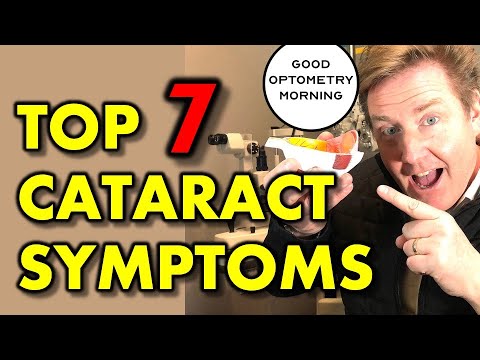
Recognizing the 7 Symptoms of Cataracts for Better Eye Health
Have you ever felt like you were looking through a foggy window? It’s oddly frustrating, right? For many, this could be a sign of cataracts, a common vision issue that often creeps in silently. You know, it’s surprising to think that by age 80, more than half of us will have cataracts to some degree.
The thing is, catching cataracts early can make a big difference. Recognizing the key symptoms helps you take action before your vision gets too impaired. This article will walk you through the seven main signs of cataracts and why they matter for your eye health.
Understanding these symptoms not only empowers you but also encourages proactive conversations with healthcare professionals. It’s essential to watch out for changes in your vision and seek guidance when needed.
Remember, while this information is meant to help, it should never replace professional medical advice. Always consult a healthcare provider if you’re experiencing any concerning symptoms.
Clearer Sight Ahead: Simple Steps to Enhance Your Vision with Cataracts
Understanding Cataracts
Cataracts are not uncommon, especially as people age. They occur when the eye’s natural lens gradually becomes cloudy. Imagine your favorite window getting a film of dust over time; you can still see, but it’s not clear anymore. That’s similar to what happens with cataracts.
Recognizing Symptoms
It’s important to recognize cataract symptoms early. So, let’s break down some of the key signs:
- Blurred Vision: This is often the first symptom noticed. You might feel like you’re looking through foggy glasses.
- Difficulty with Night Vision: Many people struggle more at night, finding it harder to see in low light.
- Glare and Halos: Bright lights can create glare or halos around them, making driving or night-time activities tricky.
- Faded Colors: Colors may seem less vibrant, like a photo that has lost its brightness.
- Frequent Changes in Prescription Glasses: If you find yourself needing new glasses often, it could be a sign of cataracts.
- Difficulties with Reading: Small print can become frustratingly hard to read as cataracts progress.
- Occasionally, some folks experience double vision in one eye. It’s strange but true!
The Importance of Eye Exams
If you’re noticing any of these symptoms, regular eye exams become really important. Think of eye doctors as mechanics for your eyes; they can identify issues long before they become serious problems.
Lifestyle Choices Matter
You might be wondering if there’s anything you can do proactively. Look, while nothing guarantees preventing cataracts entirely, certain choices may help keep your eyes healthy. Eating a balanced diet rich in antioxidants—fruits and vegetables—can support eye health. Omega-3 fatty acids found in fish are also beneficial.
Sunglasses Are More Than Just Fashion
This might sound simple, but wearing UV-protective sunglasses can really help shield your eyes from harmful rays that contribute to cataract formation.
The Path Forward
If cataracts develop significantly and begin affecting daily life—like reading or driving—talking to an eye care professional about treatment options is wise. Surgery is common and successful: it involves removing the cloudy lens and replacing it with a clear artificial one.
A Wrapping Up Thought
Evolving through life means caring for our vision just like we care for other parts of our health. Stay aware and proactive! Everyone deserves clearer sight on their journey ahead; those simple steps toward better eye health make quite a difference over time!
Simple Steps to Spot the Signs of Cataracts Yourself
Cataracts are a common eye condition, especially as we age. They occur when the lens of the eye becomes cloudy, affecting your vision. Understanding how to recognize cataracts can help you take action if needed.
What Are Some Early Symptoms?
The first sign might be blurriness in your vision. It’s like looking through a foggy window. You may also notice that colors appear less vibrant, almost washed out. This can be frustrating, especially if you love gardening or painting.
Another symptom could be difficulty seeing at night. You might find that headlights of oncoming cars feel overly bright or you struggle with glare from street lights. Have you had trouble adjusting when moving from bright light to darkness? That’s worth noting!
Changes in Your Prescription
If you find yourself needing frequent updates to your glasses prescription, that’s another sign. Cataracts can change how light enters your eyes, which impacts vision clarity.
Double Vision and Ghost Images
Ever see double images when trying to read? This can happen with cataracts too. It’s like having two copies of everything layered over each other, which is super confusing and unsettling.
Frequent Eye Strain
You may find yourself squinting more than usual or feeling tired after reading or using screens for extended periods. If your eyes feel strained often, it’s time to pay attention.
Watch for Color Perception Changes
Cataracts might also alter how you perceive contrast between colors—like distinguishing between shades of blue and green. That could make some activities more challenging!
What You Can Do Next
If you’re noticing any of these symptoms, keep a record and consider reaching out to an eye care professional for an evaluation. A simple eye exam could give you clarity—literally! Remember, regular check-ups are key for maintaining healthy vision as you age.
Please don’t panic; not every change in your eyes means cataracts are developing. Sometimes it could just be temporary strain or even allergies! Just keep an open line of communication with someone who knows about these things.
Unlocking Clarity: Discover the Path to Brighter Vision
Understanding Cataracts
Cataracts are a common eye condition, especially as we age. They occur when the lens of the eye becomes cloudy, which can affect vision. Imagine looking through a foggy window; that’s how things might seem with cataracts.
Common Symptoms of Cataracts
Identifying cataracts early on can help you manage your eye health better. Here are seven symptoms to be aware of:
- Blurry Vision: If things start to look fuzzy or out of focus, that could be an early sign.
- Double Vision: Seeing two images instead of one, even with one eye closed, might indicate issues.
- Difficulty with Night Vision: Struggling to see in low light or at night is a classic symptom.
- Sensitivity to Light: You may feel discomfort in bright lighting, like sunlight or headlights at night.
- Seeing Halos: Some people notice rings around lights; it can be quite bothersome.
- Changes in Colors: Colors may seem faded or less vibrant than they used to.
- The Need for Frequent Prescription Changes: If your glasses don’t seem to work like they used to, it could signal cataracts.
The Importance of Regular Eye Check-Ups
If you’re experiencing any of these symptoms, it’s important not to wait. Regular eye exams help catch these changes early. Think about it: just like visiting the dentist regularly keeps your teeth healthy, routine check-ups keep your eyes sharp!
Treatment Options
If diagnosed with cataracts, surgery is often the most effective treatment. During this procedure, the cloudy lens is replaced with a clear artificial lens. It’s one of the most common surgeries performed worldwide and has generally good outcomes.
Myths About Cataracts
A common myth is that cataracts can be prevented by eating certain foods or taking specific supplements. While a healthy diet contributes to overall health, it’s not a guarantee against cataract development.
Your Vision Matters
Cataracts are pretty common and treatable! Keeping an open dialogue with your healthcare provider about any vision concerns is key. Remember: your eyes play an important role in everyday life—don’t hesitate if something feels off!
Cataract awareness empowers you to take care of your vision and seek help when needed. Your eyesight is precious; stay informed and proactive!
Recognizing the 7 Symptoms of Cataracts for Better Eye Health
Cataracts may sound scary, but they’re actually quite common, especially as people age. They occur when the clear lens in your eye becomes cloudy. This can lead to difficulty seeing clearly. Recognizing the symptoms early is key for maintaining eye health.
The first symptom many notice is blurred vision. It can feel like looking through a foggy window. You might also experience double vision, where you see two images instead of one. Colors may not appear as vibrant too, which can be frustrating when trying to enjoy artwork or nature.
Another sign is sensitivity to light. Bright lights or glare from the sun can be uncomfortable, even painful at times. People often find themselves needing more light to read or do tasks that once seemed easy.
Night vision problems often follow, making it hard to drive or navigate in low-light conditions. This can be particularly concerning for older adults who value their independence.
Changes in prescription glasses might happen frequently as cataracts progress. You may find your eyewear isn’t helping like it used to, which could signal it’s time for a checkup.
If you notice any sudden changes or have concerns about your eyesight, seeing an eye care professional is essential. Early detection and treatment can significantly improve quality of life and keep those beautiful moments in focus.
Cataracts are manageable with proper care—don’t hesitate to reach out for help if you’re experiencing any symptoms!