The information provided in this article is intended solely for general informational and educational purposes. It does not constitute medical advice, diagnosis or professional treatment, and should not be considered a substitute for consultation with a qualified doctor or other licensed healthcare professional. Any health-related decisions should be made in consultation with accredited medical professionals.
While efforts have been made to ensure the information is accurate and up to date, no guarantees are given—either express or implied—regarding its accuracy, completeness, currency or suitability. Use of this information is at your own discretion.
It is strongly recommended to consult official sources such as the NHS (National Health Service) or other recognised medical institutions before acting on any information contained on this website or article. Under no circumstances should professional medical advice be ignored or delayed due to content read here.
This content is of a general and informational nature only. It is not intended to replace individualised guidance from a healthcare professional or to establish any doctor-patient relationship. The publication of this information does not imply any professional responsibility, guarantee or obligation on the part of the author or this site.
Cephalosporins and Penicillin Allergies: What You Should Know
Have you ever had an allergic reaction to a medication? It can be really scary, right? Now, consider this: many people think they have a penicillin allergy, but it might not be that straightforward.
This article is all about understanding cephalosporins and penicillin allergies. These two types of antibiotics are often prescribed but can cause confusion for those with allergies. You may have heard stories from friends or family about their reactions. Sometimes, it’s hard to know what’s true and what’s just a myth.
It’s crucial to get clear information because your health matters. Knowing the actual risks and differences between these medications can help guide your treatment choices. And let’s face it, navigating medication options can feel overwhelming.
Before you make any health decisions based on this read, remember that it’s always best to consult a healthcare professional. They can give the right advice tailored just for you. So, let’s dive into what you need to know about cephalosporins and penicillin allergies!
Navigating the Myths and Realities of Antibiotic Allergies
Antibiotic allergies are a big topic, and understanding them can be tricky. Many people think they are allergic to penicillin or cephalosporins, but the reality is often more complex. Let’s break this down.
What Is an Antibiotic Allergy?
When someone says they have an antibiotic allergy, it usually means their immune system reacts negatively to a medication. This might result in rashes, itching, or even more severe symptoms like breathing problems. It sounds serious, right?
The thing is, not everyone who reports an allergy has one. Studies suggest that up to 90% of people who think they’re allergic to penicillin actually aren’t. This is significant since it can affect treatment options.
Pennicillin vs. Cephalosporins
Penicillin and cephalosporins are two classes of antibiotics commonly used in healthcare. They work in slightly different ways but target similar bacteria. If you’re allergic to penicillin, there’s a chance you could have a reaction to cephalosporins too; however, it’s not guaranteed.
Here’s where it gets interesting: only about 10% of people with penicillin allergies actually react to cephalosporins because they share some chemical structure. So while there’s some overlap, it doesn’t mean you’ll have a problem with both.
The Importance of Asking Questions
If you’ve been told you’re allergic to penicillin or cephalosporins, don’t hesitate to ask your doctor what that really means for your health care. Are there tests available? What alternatives do you have if treatment is needed?
This conversation can help clear up confusion and make sure you’re getting the best possible care without unnecessary limitations.
Misperceptions About Allergies
A common myth is that all reactions after taking antibiotics are allergies. Not quite! Sometimes side effects can occur without involving the immune system—like stomach upset or diarrhea after taking antibiotics.
If you’ve had such reactions before but were told they were allergies, it might be worth reevaluating with healthcare professional input.
The Role of Skin Testing
You might wonder how doctors figure out if someone is truly allergic or not? One method involves skin testing for penicillins and related medications. It helps gauge whether your body will react upon exposure again.
This isn’t something everyone needs; it’s typically used when understanding someone’s allergy history is crucial for safe prescribing practices.
Treatment Options
If you’re indeed allergic to certain antibiotics, don’t panic! There are plenty of alternatives available based on your specific infection type and history—like macrolides or tetracyclines which do not belong in the same family as penicillins or cephalosporins.
A Cautionary Note
If you suspect an allergy but aren’t sure about its severity—always consult with a healthcare expert before making decisions about your treatment plan!
Your Takeaway
Navigating antibiotic allergies doesn’t have to be overwhelming; just remember: communication with your healthcare provider matters immensely! Understanding what’s true about these allergies can lead you toward safer treatments while avoiding unnecessary restrictions on your choices—so stay informed!
Understanding Allergic Reactions and Antibiotic Safety
Understanding Allergic Reactions
Allergic reactions happen when your immune system overreacts to something harmless, like pollen or certain foods. It’s a bit like your body mistakenly thinks these items are dangerous foes. When this occurs, your body releases chemicals, such as histamines, that can cause symptoms.
Common signs of an allergic reaction include itching, rashes, and even breathing difficulties in serious cases. Sometimes it can be confusing because symptoms might mimic other conditions. You know what I mean? It’s important to pay attention to what triggers these reactions for you.
Antibiotics and Allergies
Now let’s talk about antibiotics. These meds fight bacterial infections but can sometimes lead to allergic reactions too. Penicillin is one of the most well-known antibiotics that can cause such reactions. If someone has a penicillin allergy, their immune system might react strongly when exposed to it.
What’s interesting is that people who are allergic to penicillin may also react to similar types of antibiotics called cephalosporins. It’s kind of like having a favorite food that leads you to avoid others in the same group because they sometimes give you stomach aches.
The Connection Between Cephalosporins and Penicillin
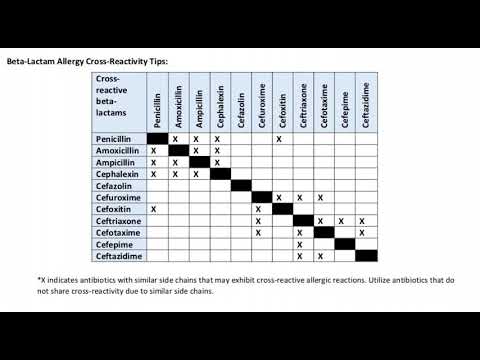
You might wonder why cephalosporins could be an issue if you’re allergic to penicillin. Both belong to a larger family of drugs known as beta-lactams, which share similar structures. This makes cross-reactivity possible, meaning if you’re allergic to one, there’s a chance you could be allergic to the other.
But not everyone who is allergic to penicillin will experience problems with cephalosporins! Research shows that the risk isn’t very high—about 10% or so—so it’s not a given but something worth discussing with your healthcare provider.
What Should You Do?
- If you’ve had an allergic reaction before, make sure you tell your doctor about it.
- Your healthcare provider might suggest testing or monitoring if cefalosporins are needed for treatment.
- A skin test may help determine if you’re truly allergic or not.
- Your medical history is super important here; always keep it updated!
It’s okay to ask questions! Knowledge about allergies and medications can put your mind at ease and help ensure treatment goes smoothly without unwanted surprises!
Myths About Antibiotic Allergies
A common myth is that all antibiotic allergies will get worse over time—this isn’t true for everyone. Some people outgrow their allergies after some years! It doesn’t mean it’s wise just go off based on assumptions though; communication with healthcare providers matters here too!
If you think you’ve had an allergy without formal confirmation or experience mild reactions only once, that’s worth discussing rather than just avoiding antibiotics altogether out of fear.
The Bottom Line
Understanding allergies and how they relate—to medications—can feel overwhelming at times but being informed allows better decisions regarding health care choices! Always share any concerns with doctors openly; they’ll appreciate knowing what’s behind them as much as you’ll appreciate their advice!
Discovering Safe Antibiotic Options for Those with Penicillin Allergies
Understanding Penicillin Allergies
When someone has a penicillin allergy, their immune system reacts negatively to this commonly prescribed antibiotic. It can cause symptoms like rashes, itching, or even more severe reactions in some cases. If you’ve ever had an allergic reaction to penicillin, you might be wondering what your options are for antibiotics.
Cephalosporins: A Close Cousin
Cephalosporins are a type of antibiotic that is related to penicillins. They work similarly but have slightly different chemical structures. Because of this closeness, there’s been a long-standing belief that if you’re allergic to penicillin, you might also be allergic to cephalosporins. But that’s not always the case.
The Risk Factor
The risk of having an allergic reaction to cephalosporins is generally low for people who are allergic to penicillin. Studies suggest that only about 1%–10% of people with a true penicillin allergy will react to cephalosporins. However, it’s still essential for healthcare providers to know your allergy history before prescribing anything.
Types of Cephalosporins
- Cefazolin: Often used for surgery prophylaxis.
- Cefuroxime: Used for respiratory tract infections.
- Ceftriaxone: Commonly prescribed in hospitals for serious infections.
Alternatives If You’re Allergic
If you’re not comfortable with the idea of trying cephalosporins because of your history with penicillin allergies, there are other alternatives available too. These include antibiotics like macrolides (for example, azithromycin) and fluoroquinolones (such as ciprofloxacin). They work differently than both penicillins and cephalosporins.
Consulting Your Healthcare Provider
No matter which route you choose – whether it’s trying cephalosporins or going with another class of antibiotics – it should always involve discussion with a healthcare provider. They’ll take into account your specific medical history and allergies before making any recommendations.
A Patch Test?
If you’re seriously unsure about whether you could handle certain antibiotics like cephalosporins or if there’s uncertainty about the type of allergy you have, ask your doctor about potential skin testing. This can help clarify things without risking an allergic reaction during treatment.
Misinformation and Myths
A common myth is that all antibiotics carry the same risk level for those with a penicillin allergy; that’s not true! Many antibiotics are safe and effective options that don’t involve those risks at all.
The Bottom Line
Navigating antibiotic options when you have a known allergy can feel overwhelming at times, but remember there are alternatives out there! It’s all about communication with your healthcare provider so they can guide you toward the safest option based on what you need specifically.
Your health matters—make sure you’re informed!
Cephalosporins and penicillins are two classes of antibiotics that share a common structure, which can lead to confusion, especially when it comes to allergies. Many people who are allergic to penicillin may worry about cephalosporins too. This is important because it can affect treatment choices.
When someone has a penicillin allergy, their immune system reacts to the medication inappropriately. Symptoms can range from mild rashes to severe reactions like anaphylaxis, which is life-threatening. With cephalosporins, some individuals believe they should avoid them entirely due to this shared structure.
However, research shows that most people with penicillin allergies can safely take certain cephalosporins. The risk of cross-reactivity—meaning having a reaction due to similar structures—varies based on the specific drugs and individual patient history. Understanding this helps healthcare providers choose appropriate antibiotics without unnecessarily limiting options.
It’s crucial for patients to communicate their allergy history clearly with their healthcare provider but also for providers not to assume that all patients with penicillin allergies will react negatively to cephalosporins. An assessment of each case can help ensure safe and effective treatment plans.