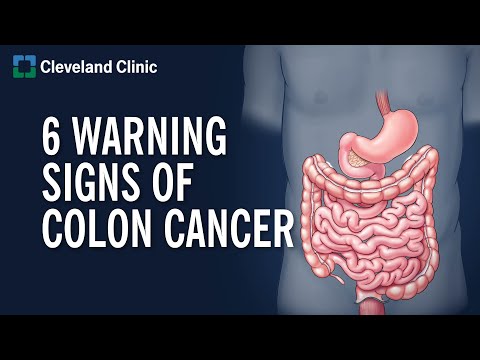
The information provided in this article is intended solely for general informational and educational purposes. It does not constitute medical advice, diagnosis or professional treatment, and should not be considered a substitute for consultation with a qualified doctor or other licensed healthcare professional. Any health-related decisions should be made in consultation with accredited medical professionals.
While efforts have been made to ensure the information is accurate and up to date, no guarantees are given—either express or implied—regarding its accuracy, completeness, currency or suitability. Use of this information is at your own discretion.
It is strongly recommended to consult official sources such as the NHS (National Health Service) or other recognised medical institutions before acting on any information contained on this website or article. Under no circumstances should professional medical advice be ignored or delayed due to content read here.
This content is of a general and informational nature only. It is not intended to replace individualised guidance from a healthcare professional or to establish any doctor-patient relationship. The publication of this information does not imply any professional responsibility, guarantee or obligation on the part of the author or this site.
Have you ever considered how often we overlook our gut health? It’s easy to do, right? But here’s the thing: colorectal cancer is one of the top cancers affecting both men and women. It doesn’t discriminate by gender, and recognizing early symptoms can make a huge difference in outcomes.
In this article, we’ll explore common signs of colorectal cancer that everyone should be aware of. You might think it only affects older folks, but that’s not true. Many younger people can be at risk too. Knowing what to look for is vital.
We’ll talk about changes in bowel habits, abdominal pain, and other symptoms that might seem minor but could signal something serious. Early detection gives you the best chance for successful treatment.
This information is meant to empower you—help you catch any warning signs early on. Remember though, every person’s situation is unique, so it’s really important to consult a healthcare professional for personalized advice.
Let’s dive in and equip ourselves with knowledge about colorectal health—it could just help save a life!
A Personal Journey of Discovery and Resilience
Recognizing Early Colorectal Cancer Symptoms in Both Genders
Colorectal cancer, it’s a term that can sound scary. But understanding what to look for can really help in catching it early. Most think of this as an older person’s issue, but both men and women can face this challenge anytime after age 45. So, let’s break down some common symptoms.
Changes in Bowel Habits
One of the first signs can be changes in how often you go to the bathroom. You might notice going more or less than usual, or even see a shift to diarrhea or constipation that doesn’t go away. It’s like your body is trying to tell you something isn’t quite right.
Blood in Stool
This one can be alarming, but seeing blood—whether bright red or darker shades—in your stool shouldn’t be ignored. Sometimes it’s hemorrhoids or another issue, but it could also indicate something more serious. Just a little reminder: don’t wait too long if you spot something unusual.
Unexplained Weight Loss
If you’ve lost weight without trying, like skipping ice cream at night just by choice—that’s important to pay attention to. Sometimes our bodies react to health issues by shedding pounds unexpectedly and when that happens with no clear reason, it’s worth discussing with someone who knows about health.
Persistent Abdominal Discomfort
If you’re feeling frequent cramps or pain in your stomach area that’s lingering for weeks, don’t shrug it off as just gas or indigestion. It’s possible that it’s not just what you ate last night; seeking guidance could avoid potential troubles later on.
Fatigue Without Cause
Feeling tired all the time is common among many people today—between work and life stressors! But if you’re getting plenty of sleep yet still feel drained day after day? That’s not normal and should raise some flags.
A family History Matters
- If someone in your family has had colorectal cancer before age 60, it’s key info for you!
- Your doctor might suggest starting screenings earlier because genetics play a big role here.
- This doesn’t mean you’ll definitely have cancer; rather it’s about being proactive.
The thing is, early detection can significantly improve outcomes for colorectal cancer. Screening methods are getting easier each year too! Colonoscopies may sound daunting but they’re crucial in catching any irregularities—even before they become problematic.
No one wants to hear they have cancer, yet knowledge is power—especially when facing this disease together as a community. Respecting our bodies through awareness also means sharing stories with friends and loved ones; sometimes these conversations save lives! So let’s keep talking about this topic openly—it really matters!
Recognizing the Signs: What Every Woman Should Know About Bowel Cancer Symptoms
Bowel cancer, also known as colorectal cancer, can affect anyone, but women often have unique symptoms. It’s important to be aware of these signs. Early detection is key to better outcomes.
Common Symptoms
- Changes in Bowel Habits: This can include diarrhea, constipation, or a change in the consistency of your stool. If you notice something off that lasts more than a few weeks, it’s worth paying attention to.
- Blood in Your Stool: Seeing bright red blood or dark stools can be alarming. It doesn’t always mean cancer but should definitely not be ignored.
- Abdominal Pain: Persistent cramps or gas pains that don’t go away might indicate something wrong. If pain is accompanied by other symptoms, it’s time to check in with someone.
- Unexplained Weight Loss: Losing weight without trying can be a sign of various health issues including bowel cancer.
- Tiredness and Fatigue: Feeling unusually tired? Sometimes this could come from anemia caused by bleeding in the digestive tract.
The Role of Family History
If there’s a history of colorectal cancer in your family, being proactive is crucial. This doesn’t mean you will develop it but increases your risk. Regular screenings can help catch anything early.
Aging and Risk Factors
Aging plays a significant role in bowel cancer risk for both genders. After age 50, it’s recommended to talk with a healthcare provider about screening tests like colonoscopies.
The Impact of Lifestyle Choices
- Diet: A diet high in red and processed meats may increase risk while fruits and veggies can lower it.
- Exercise: Staying active is not just good for your heart; it might also reduce the risk of bowel cancers.
- Tobacco and Alcohol Use: Smoking and heavy drinking are both linked to higher risks; cutting back on both could benefit overall health too.
Misinformation Around Symptoms
A common myth is that only older individuals develop bowel cancer—this isn’t true! While it’s more prevalent with age, younger people are also at risk. Being informed helps fight against dangerous assumptions!
Your Next Steps
If you relate to any symptoms mentioned here or just feel something isn’t right—reach out! Open conversations with loved ones or healthcare providers make all the difference. Remember: if you’re concerned enough to worry about symptoms, it’s probably worth investigating further.
You know what? Knowledge is empowering. The more we understand our bodies and recognize signs early on, the better prepared we’ll be! Stay informed and take control of your health journey!
Reassuring Clues That Point to a Healthier Tomorrow
Understanding Colorectal Cancer Symptoms
Colorectal cancer can be a scary topic, but knowing the early symptoms can really help improve outcomes. Some signs might not seem serious at first, which is why it’s important to pay attention to your body.
Common Symptoms to Watch For
Often, changes in bowel habits are among the first indicators. This could mean diarrhea or constipation that lasts longer than normal. You might notice a shift in how often you go or even an unexpected urgency.
Blood in your stool is another key sign. Even small amounts of blood can be a warning signal. It’s easy to brush it off, but don’t ignore it! There’s also unexplained weight loss—if you’re shedding pounds without trying, that could be problematic.
Other Signs
- A persistent abdominal pain or discomfort
- Feeling bloated or full
- A change in appetite
- Anemia, which is a shortage of red blood cells that can make you feel tired
If these symptoms sound familiar, don’t panic. They could be linked to other conditions as well. Still, seeking medical advice for any troubling signs is wise.
The Importance of Screening
Screening tests like colonoscopies play a vital role in catching colorectal cancer early. These procedures allow doctors to look inside your colon and check for abnormalities.
Sadly, many people delay screenings due to embarrassment or fear. But remember: early detection significantly increases treatment success rates.
Navigating Fear and Anxiety
If you’re feeling worried about these symptoms or think you might be at risk, it’s totally normal! It helps to talk about your concerns with someone you trust—a friend or family member can provide support.
You know, engaging more with your health means asking questions and not settling for uncertainty—or accepting discomfort as normal.
A Healthier Tomorrow Is Possible!
The good news? Many people diagnosed with colorectal cancer are living healthy lives after treatment. New advances in medicine continue to improve the ways we detect and treat this disease.
Your lifestyle choices also play a part: maintaining healthy eating habits and regular exercise contribute significantly to overall health and can even reduce your risk of various cancers.
Final Thoughts
If something feels off—trust your instincts! Although not all symptoms will lead to serious issues like cancer, being proactive about health always pays off in the long run.
Recognizing Early Colorectal Cancer Symptoms in Both Genders
Colorectal cancer is a significant health concern that affects both men and women alike. The thing is, many people don’t recognize early symptoms, which can delay diagnosis and treatment. Early detection can make a huge difference, increasing survival rates substantially.
Common symptoms to watch for include changes in bowel habits like diarrhea or constipation that lasts more than a few days. Blood in the stool is another crucial sign, sometimes just appearing as dark stools. You might also experience unexplained weight loss or persistent abdominal discomfort—like cramping or pain.
Interestingly, while some symptoms are common across genders, there can be gender-specific nuances. For example, women often associate abdominal issues with gynecological problems and may overlook potential colorectal issues. Men might ignore changes due to societal norms around masculinity and health discussions.
It’s essential to foster open conversations about these symptoms among friends and family. Encouraging one another to seek medical advice when noticing changes in the body can be empowering. Remember, it’s not just about being worried; it’s about being proactive!
Ultimately, healthcare providers should also emphasize awareness of these signs during routine check-ups, regardless of gender. Regular screening through colonoscopies becomes vital once you hit the age of 45 or earlier if there’s a family history of colorectal cancer.
The collective goal must be to reduce stigma surrounding these conversations and promote early diagnosis because recognizing symptoms early could save lives.