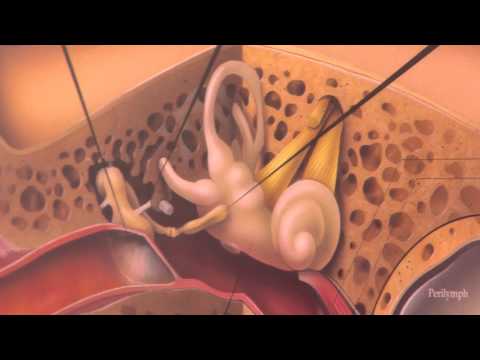
Cholesteatoma may sound like a complex term, but understanding it is crucial for anyone concerned about ear health. Imagine your ear as a delicate instrument, finely tuned to help you hear the world around you. Now picture a small growth, often benign but potentially damaging, forming in this sensitive area. That’s what a cholesteatoma is—a skin-like growth that can develop in the middle ear and behind the eardrum.
This condition arises when skin cells are trapped and begin to multiply. Over time, they can erode nearby structures like bones and even affect your hearing if not addressed properly. The symptoms can range from persistent ear infections to a feeling of fullness or pressure in the ear. If left untreated, complications may arise.
Diagnosing cholesteatoma typically involves a thorough examination by an ear specialist who may use imaging techniques to assess its extent. Understanding it empowers you to seek care sooner rather than later.
However, it’s vital to approach this topic with caution. While gaining knowledge about cholesteatomas is beneficial, don’t stop at one source of information. Consult various specialists and reliable media outlets before jumping to conclusions or self-diagnosing. Each source adds layers to your understanding and helps ensure that you’re making informed health decisions for yourself or loved ones. Your ears deserve care and attention—let’s dive deeper into what cholesteatoma means for you!
The information provided in this article is intended solely for general informational and educational purposes. It does not constitute medical advice, diagnosis or professional treatment, and should not be considered a substitute for consultation with a qualified doctor or other licensed healthcare professional. Any health-related decisions should be made in consultation with accredited medical professionals.
While efforts have been made to ensure the information is accurate and up to date, no guarantees are given—either express or implied—regarding its accuracy, completeness, currency or suitability. Use of this information is at your own discretion.
It is strongly recommended to consult official sources such as the NHS (National Health Service) or other recognised medical institutions before acting on any information contained on this website or article. Under no circumstances should professional medical advice be ignored or delayed due to content read here.
This content is of a general and informational nature only. It is not intended to replace individualised guidance from a healthcare professional or to establish any doctor-patient relationship. The publication of this information does not imply any professional responsibility, guarantee or obligation on the part of the author or this site.
Unraveling the Mystery Behind Ear Infections and Their Role in Cholesteatoma Development
Ear infections are common, especially in children. They occur when bacteria or viruses cause inflammation in the middle ear. This inflammation can lead to pain, fever, and drainage from the ear.
While most ear infections resolve on their own, recurring ones can be problematic. Frequent ear infections may contribute to a condition called cholesteatoma.
Cholesteatoma is an abnormal skin growth in the middle ear behind the eardrum. It often develops from repeated infections or untreated ones. Over time, this growth can damage the surrounding structures.
The connection between ear infections and cholesteatoma lies in the way chronic inflammation affects tissue. In some cases, a long-term infection can create a pocket that traps skin cells and other debris.
As these trapped materials accumulate, they form a cyst-like structure known as cholesteatoma. This growth can expand and lead to more serious complications if not addressed early on.
Common symptoms of cholesteatoma include:
For diagnosis, a healthcare provider will typically perform an examination using an otoscope to see inside your ears. Imaging studies like CT scans might also be used to assess any bone damage.
It’s important to note that not everyone with recurrent ear infections will develop cholesteatoma. However, if you experience frequent infections or symptoms associated with cholesteatoma, seeking medical attention is crucial.
Treatment options for cholesteatoma usually involve surgery to remove the growth and prevent further complications. Understanding this process empowers individuals to make informed health decisions related to their ears.
Keeping your ears healthy involves being proactive about any signs of infection. Regular check-ups and addressing concerns early can help reduce risks associated with both ear infections and potentially cholesteatomas.
Unraveling the Most Reliable Method for Identifying Cholesteatoma
Cholesteatoma is a growth that can form in the middle ear. It often develops due to chronic ear infections or eustachian tube dysfunction. Understanding how to identify it is essential for effective management.
The symptoms of cholesteatoma can be tricky. Some common signs include:
If you suspect cholesteatoma, the first step is usually a visit to a healthcare provider. They’ll start with a physical examination. An otoscope, a tool that lights up and magnifies the ear, is often used.
However, this method may not always reveal the full picture. Sometimes, further tests are required for confirmation. These can include:
Both imaging tests provide clear visuals that help in diagnosing cholesteatoma. They show not just structures of the ear but also any surrounding areas affected by the condition.
It’s important to note that while these methods are reliable, results can vary based on individual cases. Therefore, always follow up with your healthcare provider about any findings.
Another consideration is biopsy. While not commonly done for cholesteatomas, it might be necessary in some situations to rule out cancerous growths.
In summary, identifying cholesteatoma typically involves:
If you experience symptoms or have concerns about your ear health, it’s best to reach out for peace of mind and appropriate management options. Always approach this topic critically and gather information from trusted sources before making decisions about your health care!
Exploring the Range of Conditions That Can Mimic Cholesteatoma
Cholesteatoma is a condition that affects the middle ear. It can lead to serious issues if left untreated. However, several other conditions can mimic its symptoms, making diagnosis tricky.
It’s important to understand these mimicking conditions so you can recognize the signs and seek appropriate care.
1. Ear Infections: Acute or chronic ear infections often cause similar symptoms, like ear pain and discharge. These infections might lead to fluid buildup behind the eardrum, which can be confused with cholesteatoma.
2. Eustachian Tube Dysfunction: This occurs when the tube connecting your throat to your middle ear doesn’t open properly. It can cause pressure changes in the ear, leading to discomfort or hearing loss similar to what cholesteatoma causes.
3. Otosclerosis: This is a condition where bone in the middle ear becomes hard and stops transmitting sound effectively. Symptoms may overlap with those of cholesteatoma, such as gradual hearing loss.
4. Tympanic Membrane Perforation: A hole in your eardrum can also create ear drainage and hearing difficulties that might be mistaken for cholesteatoma symptoms.
5. Benign Tumors: Certain non-cancerous growths in or around the ear might present similar signs like hearing loss or fullness in the ear.
Recognizing these conditions is key for proper treatment rather than jumping straight into conclusions about cholesteatoma.
To differentiate between them and cholesteatoma, consider
If you’re ever uncertain about your symptoms, consult a healthcare professional for thorough assessment and peace of mind.
Always remember that while online information can be helpful, it should never replace personalized advice from a trusted source who knows your health history.
Cholesteatoma is a complex and often misunderstood condition affecting the ear. It’s essential to foster a deeper understanding of its causes, symptoms, and diagnostic processes to improve patient outcomes.
Causes: Cholesteatomas can develop as a result of recurrent ear infections or poor Eustachian tube function, where changes in pressure can lead to skin cells accumulating in the middle ear. This accumulation creates a cyst-like growth that can damage surrounding structures.
Symptoms: Patients may experience hearing loss, persistent drainage from the ear, or a feeling of fullness. In more severe cases, it can cause pain or dizziness. Recognizing these early signs is key to avoiding complications.
Diagnosis: An accurate diagnosis typically involves a physical examination by an ear specialist and might include imaging tests like CT scans. These tools help assess the extent of the cholesteatoma and guide treatment options.
Through awareness and education about cholesteatoma, we empower individuals to recognize symptoms early and seek appropriate care. This proactive approach can significantly enhance quality of life for those affected by this condition. Understanding cholesteatomas serves not only as patient education but also reinforces the importance of comprehensive care in managing ear health effectively.