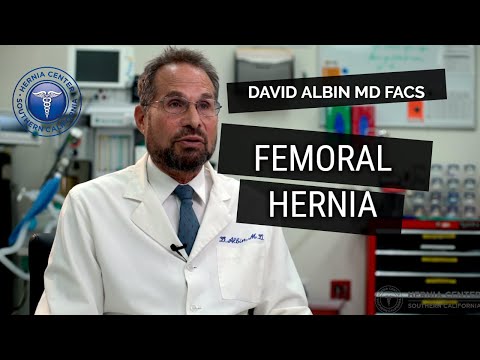
Have you ever heard of a femoral hernia? If not, you’re not alone. Many people remain unaware of what this condition is until it affects someone close to them. A femoral hernia occurs when tissue, usually part of the intestine, bulges through a weak spot in the abdominal wall or groin area. It’s like a small balloon pushing through a hole in a wall—once it starts, the situation can become uncomfortable and potentially serious.
Understanding the causes, symptoms, and diagnosis of femoral hernias can empower you to take charge of your health. These hernias often occur due to increased pressure in the abdomen or weakened muscles from factors like pregnancy or obesity. In many cases, they don’t show any symptoms initially but may later cause pain or discomfort, especially when lifting heavy objects or straining during bowel movements.
Diagnosis typically involves a physical examination by a healthcare provider and sometimes imaging tests to visualize the hernia more clearly. Navigating this topic can seem daunting, but it’s essential to familiarize yourself with it for your well-being.
However, be cautious! The information about femoral hernias can sometimes be scattered or misleading. Always consult multiple sources—different specialists and reliable media—to ensure you’re getting accurate and comprehensive information. Your health deserves thoughtful consideration and thorough understanding before making any decisions. Stay curious and informed!
The information provided in this article is intended solely for general informational and educational purposes. It does not constitute medical advice, diagnosis or professional treatment, and should not be considered a substitute for consultation with a qualified doctor or other licensed healthcare professional. Any health-related decisions should be made in consultation with accredited medical professionals.
While efforts have been made to ensure the information is accurate and up to date, no guarantees are given—either express or implied—regarding its accuracy, completeness, currency or suitability. Use of this information is at your own discretion.
It is strongly recommended to consult official sources such as the NHS (National Health Service) or other recognised medical institutions before acting on any information contained on this website or article. Under no circumstances should professional medical advice be ignored or delayed due to content read here.
This content is of a general and informational nature only. It is not intended to replace individualised guidance from a healthcare professional or to establish any doctor-patient relationship. The publication of this information does not imply any professional responsibility, guarantee or obligation on the part of the author or this site.
Uncovering the Hidden Triggers and Signs of Femoral Hernia
Femoral hernias are not as common as other types, but they can be quite serious. They occur when tissue, often part of the intestine, pushes through a weak spot in the femoral canal. This is located just below the groin.
Often, people might not notice any symptoms at first. However, some common signs can help identify this type of hernia early. It’s crucial to pay attention to these indicators.
Common signs of a femoral hernia include:
If you feel a bulge and it becomes painful or tender, that’s your body signaling something might be wrong. Don’t ignore those signals.
Femoral hernias are more prevalent in certain groups. Women are at higher risk due to wider pelvic structures. Men can also develop them, especially older adults and those who are overweight.
Other hidden triggers for developing a femoral hernia include:
It’s important to realize that lifestyle choices can play a role here. Maintaining a healthy weight and managing chronic coughs or constipation may lower your risk.
You may wonder how healthcare professionals diagnose this condition. It typically involves a physical exam where they check for bulges and assess any discomfort you report.
In some cases, imaging tests like ultrasounds might be needed if the diagnosis isn’t clear right away. This is because femoral hernias can sometimes mimic other conditions.
Always remember that while knowledge is empowering, it’s essential to consult with a healthcare professional if you suspect you have a hernia or are experiencing concerning symptoms.
By understanding the triggers and signs of femoral hernias, you’re one step closer to making informed health decisions regarding your body. Knowledge truly is power!
Exploring the Possibility of Natural Recovery for Femoral Hernias
A femoral hernia occurs when tissue pushes through a weak spot in the femoral canal, located in the groin area. It’s more common in woman, particularly those who have been pregnant or are overweight.
Understanding if there’s a possibility for natural recovery begins by knowing how a hernia behaves. Unlike some conditions, hernias typically do not heal on their own. Instead, they often worsen over time.
The body has limited ability to repair the defect where the tissue protrudes. Think of it like a stretched rubber band; once it has lost its elasticity, just letting it be might not bring that band back to its original form.
Some people may experience symptoms like discomfort or swelling but might not feel severe pain initially. However, if left untreated, complications such as strangulation can occur. This happens when blood flow to the trapped tissue is cut off and can become life-threatening.
Here are some important points regarding natural recovery:
Lifestyle changes can support overall health and reduce pressure on abdominal areas but won’t correct the hernia itself. Consider weight management and gentle exercises to improve core strength.
It’s essential to consult with a healthcare provider if you suspect you have a femoral hernia or have been diagnosed with one. They can help determine the best approach based on your personal circumstances.
In summary, while natural recovery from femoral hernias isn’t typical, understanding your risk factors and maintaining healthy habits can still be beneficial for overall well-being. Keep communication open with a healthcare professional about any concerns you might have regarding your condition or treatment options.
Uncovering the Key Factors Behind This Common Health Issue
When we talk about femoral hernias, it’s helpful to understand what they are. A femoral hernia occurs when tissue, usually part of the intestine, pushes through a weak spot in the femoral canal. This area is located just below the groin.
Causes of femoral hernias can vary. Most commonly, they arise from increased pressure in the abdomen. Factors that contribute include:
Females are at higher risk for this type of hernia. The structure of the female pelvis may make it easier for intestines to bulge through.
Symptoms can sometimes be subtle or even absent in early stages. Commonly reported signs include:
Diagnosing a femoral hernia often involves a physical examination. A healthcare provider might ask about symptoms and conduct tests to confirm the diagnosis.
It’s important to note that not all bulges are hernias. Some may be lipomas (fatty tumors) or lymph nodes swollen due to infections.
Treatment options primarily depend on symptom severity and size of the hernia. Surgery is commonly recommended for symptomatic cases since waiting too long could lead to complications like strangulation—where blood supply is cut off.
Awareness is key when it comes to managing health issues like femoral hernias. Keep an open dialogue with your healthcare provider if you experience symptoms.
Educating ourselves about such conditions empowers us to make informed decisions regarding our health and well-being. The journey toward better understanding paves way for healthier choices in life!
Understanding femoral hernias is essential for recognizing their potential impact on health. These hernias occur when tissue pushes through a weak spot in the femoral canal, often resulting in discomfort or more severe complications.
Causes of femoral hernias can include increased pressure in the abdomen from activities such as heavy lifting, obesity, or pregnancy. Certain individuals may be genetically predisposed to weaker connective tissues, making them more susceptible.
Symptoms typically start with a noticeable bulge in the groin area. This bulge might become more pronounced during activities like standing or straining. Some individuals may also experience pain or discomfort, especially when bending over or lifting objects.
When it comes to diagnosis, a thorough physical examination is crucial. Healthcare providers often seek to confirm the presence of a bulge and assess associated symptoms. In some cases, imaging tests like ultrasound or CT scans may be necessary to understand the hernia better.
Understanding these elements helps foster better communication between patients and healthcare providers. It allows for informed decisions regarding treatment options and preventive measures—key aspects for anyone concerned about their health related to hernias.