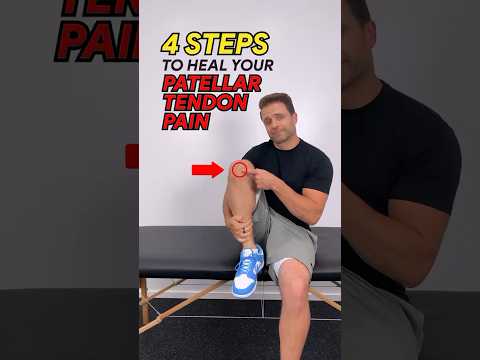
Have you ever felt a nagging pain just below your kneecap, especially after jumping or running? This discomfort is often called Jumper’s Knee, and it can be frustrating for athletes and active individuals alike. Understanding this condition is the first step toward conquering it. Imagine your knee as a finely tuned instrument; any strain or injury can throw it out of tune, affecting your performance and daily activities.
Jumper’s Knee occurs when the tendon connecting your kneecap to your shinbone becomes irritated or damaged. Commonly seen in sports that involve lots of jumping—like basketball, volleyball, or running—this condition can lead to persistent pain if not addressed properly. While that might sound intimidating, many strategies exist to help manage and relieve this discomfort.
Here are some key strategies for pain relief:
The information provided in this article is intended solely for general informational and educational purposes. It does not constitute medical advice, diagnosis or professional treatment, and should not be considered a substitute for consultation with a qualified doctor or other licensed healthcare professional. Any health-related decisions should be made in consultation with accredited medical professionals.
While efforts have been made to ensure the information is accurate and up to date, no guarantees are given—either express or implied—regarding its accuracy, completeness, currency or suitability. Use of this information is at your own discretion.
It is strongly recommended to consult official sources such as the NHS (National Health Service) or other recognised medical institutions before acting on any information contained on this website or article. Under no circumstances should professional medical advice be ignored or delayed due to content read here.
This content is of a general and informational nature only. It is not intended to replace individualised guidance from a healthcare professional or to establish any doctor-patient relationship. The publication of this information does not imply any professional responsibility, guarantee or obligation on the part of the author or this site.
However, it’s essential to remember that while this article provides practical tips, every individual’s situation is unique. Always consult with healthcare professionals before starting any treatment plan. Seek advice from different specialists like physical therapists or sports medicine experts. Explore reliable sources of information through books, articles, or trusted websites. By informing yourself through various channels, you’ll equip yourself with the best knowledge to make effective decisions on your path to relief from Jumper’s Knee.
Simple Strategies to Alleviate Discomfort and Get You Back in the Game
Jumper’s knee, or patellar tendinopathy, is a common issue for athletes. It can cause pain just below the kneecap. This discomfort often arises from repetitive jumping or overuse of the knee joint. Fortunately, there are some simple strategies that may help alleviate this pain and get you back to your activities.
First, consider rest. Giving your knees a break allows inflammation to subside. It’s like letting a muscle recover after an intense workout.
Next up is ice therapy. Applying ice for 15-20 minutes can reduce swelling and numb the pain. Just remember to wrap ice in a cloth—direct contact can damage the skin.
Another helpful tip is compression. Using an elastic bandage can provide support and decrease swelling around the injured area.
. Keeping your knee raised when resting helps fluid drain away from the site of pain. A few cushions under your leg while watching TV could do wonders.
Gentle stretching and strengthening exercises are key too. Focus on stretches for both your quadriceps and hamstrings. It’s like tuning a guitar; you want all parts working harmoniously together.
Once you feel ready, gradually reintroducing activity can be beneficial. Start with low-impact exercises like swimming or cycling before returning to more intense sports.
Don’t forget about proper footwear! Wearing shoes that provide good support can make a difference in how your knees feel during activities.
Lastly, always listen to your body. If something hurts, it’s a sign that you may need more time off or consult someone knowledgeable about knee health.
Remember, these strategies aim to help manage discomfort but they aren’t substitutes for professional guidance tailored to your situation. Always consider reaching out if pain persists or worsens!
Find Relief and Reclaim Your Active Lifestyle
Jumper’s knee, also known as patellar tendinopathy, can be a real pain. It typically affects athletes involved in jumping sports like basketball and volleyball. The pain usually comes from overuse of the knee tendons.
If you’re experiencing discomfort, remember that you’re not alone. Many people face this issue. The good news is there are **ways to find relief** and reclaim your active lifestyle.
First, rest is important. Just like a car needs to cool down after running long distances, your knees need breaks too. Take some time off from activities that cause pain.
Another key factor is ice therapy. Applying ice packs can help reduce swelling. Aim for 15-20 minutes several times a day, especially after activity.
Strengthening exercises play a crucial role as well. They help support and stabilize the knee joint. You might consider focusing on your quadriceps and hamstrings with gentle exercises.
Stretching should not be overlooked either. Flexible muscles help prevent further injury. Incorporate stretches for your legs before and after physical activity.
Also, consider evaluating your footwear! Wearing proper shoes can make a difference in how your knees feel during activities. Look for shoes with good support tailored to your sport.
Just as important is listening to your body. If something hurts, take note of it! Pushing through severe pain often leads to more problems down the road.
Lastly, think about consulting with someone who understands sports injuries if the pain persists. They can provide guidance tailored just for you, ensuring you’re on the right track toward recovery.
Remember, every step taken towards taking care of your knees is a step toward enjoying an active lifestyle again! Make small adjustments today for big improvements tomorrow.
Unlock Quick and Effective Strategies for Knee Tendon Recovery
Jumper’s knee, or patellar tendinopathy, can be a frustrating setback for athletes and active individuals. It arises from overuse of the knee tendon, leading to pain and discomfort. Luckily, there are strategies you can consider for recovery.
Rest is essential. Your body needs time to heal. Think of rest like charging a battery; without it, your body can’t fully recharge.
Ice therapy can help reduce pain and swelling. Applying ice for 15-20 minutes after activity works like putting a cool cloth on a bruise; it helps calm inflammation.
Compression using an elastic bandage or knee sleeve can support the joint. This provides gentle pressure which reduces swelling much like giving a hug to an injury.
Elevation is another effective strategy. Lifting your leg while resting encourages fluid to drain from the area, helping with inflammation.
Engaging in stretching and strengthening exercises is crucial too. It’s like planting seeds in a garden; gentle stretching creates flexibility while strengthening exercises build resilience in the tendon over time.
Consider incorporating low-impact activities such as swimming or cycling during recovery. They allow you to maintain fitness without straining your knee as much as running might.
Another important element is proper footwear. Wearing shoes with good support helps absorb shock and reduce stress on your knees—think of it as giving your feet better shock absorbers for daily activities.
Consulting with someone knowledgeable about physical therapy might also be beneficial. They can guide you through specific movements tailored for recovery, much like having a coach help improve your technique in sports.
Lastly, don’t overlook proper nutrition. A balanced diet rich in vitamins and minerals supports healing at every level—imagine fueling a car; quality fuel ensures better performance and longevity.
Remember, though these strategies are helpful for many people dealing with jumper’s knee, each person’s situation is unique. Always consider seeking advice if you’re unsure about any approach or if symptoms persist.
Jumper’s knee, or patellar tendinopathy, is a common issue among athletes, particularly those involved in jumping sports. It can be painful and limit performance, but understanding effective strategies for pain relief is crucial for recovery.
Firstly, rest is essential. Athletes often push through the pain, but allowing time for healing can prevent long-term damage. Following rest, ice therapy can reduce inflammation and alleviate discomfort. Applying ice for 15-20 minutes a few times daily can provide significant relief.
Incorporating stretching and strengthening exercises is vital once acute pain subsides. Gentle stretches for the quadriceps and hamstrings help improve flexibility. Strengthening exercises targeting the quadriceps help support the knee joint, redistributing stress on the patellar tendon.
Additionally, modifying activity levels can contribute to recovery. It’s important to gradually return to sports without overloading the tendon too quickly. This gradual approach is similar to a runner gradually increasing their distance after a break—slow progress prevents re-injury.
Lastly, consider cross-training. Engaging in low-impact activities like swimming or cycling allows maintaining fitness without aggravating the knee.
Remember that each person’s experience with jumper’s knee may vary; what works for one may not work for another. Consulting with a healthcare professional tailored to your specific situation remains essential in developing an effective management plan.