The information provided in this article is intended solely for general informational and educational purposes. It does not constitute medical advice, diagnosis or professional treatment, and should not be considered a substitute for consultation with a qualified doctor or other licensed healthcare professional. Any health-related decisions should be made in consultation with accredited medical professionals.
While efforts have been made to ensure the information is accurate and up to date, no guarantees are given—either express or implied—regarding its accuracy, completeness, currency or suitability. Use of this information is at your own discretion.
It is strongly recommended to consult official sources such as the NHS (National Health Service) or other recognised medical institutions before acting on any information contained on this website or article. Under no circumstances should professional medical advice be ignored or delayed due to content read here.
This content is of a general and informational nature only. It is not intended to replace individualised guidance from a healthcare professional or to establish any doctor-patient relationship. The publication of this information does not imply any professional responsibility, guarantee or obligation on the part of the author or this site.
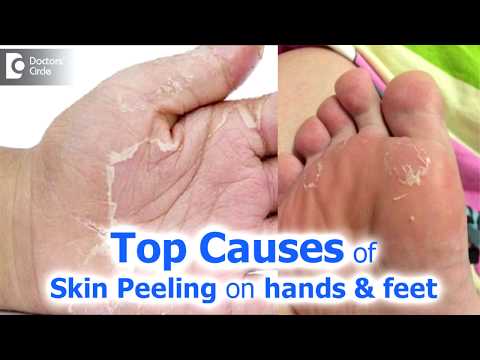
Have you ever sat down after a long day and noticed the skin on your feet peeling away? It’s not just annoying; it can be really concerning. Peeling feet can happen for a variety of reasons, and while some causes are harmless, others might need attention. It’s something many people don’t talk about, but you’re definitely not alone in dealing with this.
This article will explore the causes of peeling feet, what symptoms to look out for, and effective solutions to help you manage it. We’ll break things down into easy-to-understand sections so that you can feel informed without feeling overwhelmed. Sometimes, it might just be dryness or an allergic reaction to a new product.
But on the flip side, there could be underlying conditions at play too. That’s why it’s really important to tune into your body and seek help if needed. Remember, this content is here to guide you but shouldn’t replace professional medical advice. Always consult a healthcare provider for personalized recommendations.
Let’s dive in and get to the root of those peeling feet issues together!
Revitalize Your Feet: Simple Steps to Smooth, Healthy Skin
Understanding Peeling Feet
We all know how irritating it can be when the skin on our feet starts to peel. It can feel rough, look unsightly, and even cause discomfort. But what’s going on down there? Well, peeling feet can happen for a few reasons.
Common Causes of Peeling Skin
- Dry Skin: This is one of the most common culprits. When your skin doesn’t have enough moisture, it can crack and peel.
- Fungal Infections: Think athlete’s foot—this pesky condition thrives in warm, moist environments. It can cause redness and flaking.
- Eczema or Psoriasis: These skin conditions typically lead to dry patches that may also flake off from time to time.
- Excessive Sweating: Ironically, too much sweat can also lead to peeling because it creates an environment where skin might break down.
Recognizing Symptoms
If your feet are peeling, you might notice other symptoms as well. For instance, if there’s itching or redness alongside the peeling, that could indicate an infection or inflammation.
A Simple Routine for Healthy Feet
Coping with peeling feet doesn’t have to be complex. Here are some basic steps you might consider trying out:
- Moisturize Daily: After showering or bathing, apply a rich cream or lotion specifically designed for feet. Just like we drink water for hydration, our skin needs moisture too!
- Pumice Stone Magic: Using a pumice stone gently on dry areas helps remove dead skin. Think of it as buffing your nails—getting rid of imperfections makes everything smoother.
- Socks Matter: Wearing breathable socks made from natural fibers like cotton lets your feet breathe while keeping them cozy. Also change them regularly!
A Note on Footwear
Your choice of shoes plays a key role in foot health as well! Tight shoes can lead to rubbing and blistering; look for options that fit well and provide good support.
If simple home care isn’t making a difference after a couple of weeks or if you see signs of infection (like pus or increasing redness), reaching out to someone who knows their stuff in foot care could be necessary.
The Bottom Line
Peeled feet aren’t the end of the world but they do deserve attention! By understanding the causes and taking small steps at home, you can support better foot health over time. Remember that everyone’s body is different—I mean what works for one person may not work for another!
Caring for your feets shouldn’t feel overwhelming; just keep at it patiently! You’ll likely notice improvement with consistent care—a little goes a long way in showing those toes some love!
Simple Solutions to Soothe and Heal Your Feet at Home
Coping with Peeling Feet
Feet peeling can be super frustrating and sometimes a bit embarrassing. The skin on our feet is tough but can still peel for a variety of reasons. Knowing what’s happening can help us find some simple solutions to soothe and heal them at home.
Causes of Peeling Feet
There are several reasons why feet might start peeling. One common cause is dryness, especially during winter months. When the air is cold and dry, your skin loses moisture quickly.
Another reason could be fungal infections, like athlete’s foot. This condition can make your skin crack and peel while also causing itchiness.
Sometimes, excessive sweating or friction from shoes also leads to peeling skin, it’s like your feet are trying to escape! Allergies to certain products can also play a role.
Symptoms
If you notice your skin peeling, you might also experience redness or tenderness in that area. There could be itching or even cracks that seem painful. Some people describe it as their feet feeling tight or uncomfortable.
Home Remedies
- Moisturize Regularly: Applying lotion or foot cream daily helps lock in moisture. Ingredients like urea or lanolin work great for this!
- Epsom Salt Soak: Soaking your feet in warm water mixed with Epsom salt may soothe irritation and help soften the skin.
- Pumice Stone: Gently rubbing a pumice stone on dry spots after soaking helps remove dead skin cells, which reduces peeling.
- Avoid Tight Shoes: Wearing poorly fitting shoes can worsen the problem by causing friction and sweat buildup.
Keeps Things Clean
Bacterial infections sometimes thrive on peeling skin, so keeping those areas clean is extra important. Washing your feet daily with mild soap helps prevent issues before they start.
Make sure to dry them well too, especially between the toes!
The Bottom Line
Treating peeling feet at home is often as simple as consistency in care and moisture retention. Remember though – if things get worse or don’t improve after trying basic measures? It’s worth checking with someone who knows about these things.
Transform Your Comfort with Effective Solutions for Sweaty Feet and Peeling Skin
Understanding Sweaty Feet and Peeling Skin
Sweaty feet, or plantar hyperhidrosis, is a common issue that many people face. It can be uncomfortable and sometimes embarrassing. You know, it often happens when your sweat glands become overactive. This can lead to a feeling of dampness that can be annoying.
What Causes Sweaty Feet?
There are several reasons for sweaty feet. Sometimes it’s just genetic—if your family tends to sweat a lot, you might too. Stress and anxiety can also trigger excessive sweating. When you’re nervous or excited, your body goes into overdrive!
Other factors include heat, exercise, or even wearing tight shoes. Let’s not forget about the foods we eat too! Spicy foods and caffeine can ramp up sweating.
Symptoms You Might Notice
You may notice your feet feeling clammy or damp throughout the day. In some cases, this moisture can lead to peeling skin. It’s like when you wash your hands too much—the skin gets irritated and starts to peel off.
This peeling is usually harmless but can make things uncomfortable. It may also create an environment for fungal infections like athlete’s foot if moisture hangs around too long.
Coping with Peeling Skin
Coping with peeling skin starts with keeping things clean and dry. Look for breathable socks made from natural fibers like cotton or wool—they help wick away moisture! Make sure you change them frequently during hot days.
You might consider using foot powder as well; it absorbs sweat and keeps your feet feeling fresh for longer periods of time.
Treatment Options to Consider
- Antiperspirants: Over-the-counter antiperspirants aren’t just for underarms; they work well on feet too!
- Shoe Choice: Wearing loose-fitting shoes allows air circulation which reduces sweating.
- Hydration: Keep yourself hydrated—yes, drinking enough water helps regulate body temperature!
- Podiatrist Advice: If it persists, seeing a podiatrist could help uncover underlying conditions causing these symptoms.
Minding Hygiene Habits
Minding hygiene habits is very important here! Washing your feet daily with soap reduces bacteria buildup which contributes to odor and irritation from excess moisture on the skin’s surface. Don’t forget to dry them thoroughly afterwards!
If you experience itching alongside peeling skin, then maybe it’s worth checking in on how your skin is reacting to different products like soaps or creams used on your feet.
A Word About Foot Care Products
The market has many options for foot care products designed specifically for sweaty feet: sprays, creams, you name it! Read labels carefully—some may include harsh ingredients that could irritate sensitive skin.
If you’re unsure about what works best for you—or if irritation worsens—reaching out to someone knowledgeable in skincare would be smart move!
Your Comfort Matters
The goal here is making sure you’re comfortable in your own skin—no one should have their daily activities affected by excessive sweating or peeling. By understanding these issues better and taking small steps toward solutions tailored just for you will surely bring relief over time!
Coping with Peeling Feet: Causes, Symptoms, and Solutions
Peeling feet can be a nuisance, and honestly, it affects more people than you might think. So what causes this condition? Well, there are a few common reasons.
Causes
- Dry Skin: Sometimes our feet just get dry, especially in winter or from frequent washing.
- Athlete’s Foot: This fungal infection often leads to peeling skin. It’s annoying but treatable.
- Allergic Reactions: Certain soaps or creams can irritate the skin on your feet.
- Eczema or Psoriasis: These are skin conditions that can cause peeling as well; they usually come with other symptoms too.
Symptoms
You might notice more than just peeling. There could be redness, itching, or even scaling. In some cases, it may hurt to walk if the skin cracks too much. It’s definitely something to pay attention to!
Solutions
- Moisurizers: Applying a good foot cream regularly can help keep your skin hydrated.
- Athlete’s Foot Treatment: Over-the-counter antifungal creams work for most infections.
- Avoid Irritants: Changing soaps or switching to gentler products can make a difference.
- If Severe: Consulting with a healthcare professional is important for persistent issues.
Coping with peeling feet often means understanding what’s going on first. It helps to know when home remedies will do the trick and when it’s time to seek help. Remember, you’re not alone in this!