The information provided in this article is intended solely for general informational and educational purposes. It does not constitute medical advice, diagnosis or professional treatment, and should not be considered a substitute for consultation with a qualified doctor or other licensed healthcare professional. Any health-related decisions should be made in consultation with accredited medical professionals.
While efforts have been made to ensure the information is accurate and up to date, no guarantees are given—either express or implied—regarding its accuracy, completeness, currency or suitability. Use of this information is at your own discretion.
It is strongly recommended to consult official sources such as the NHS (National Health Service) or other recognised medical institutions before acting on any information contained on this website or article. Under no circumstances should professional medical advice be ignored or delayed due to content read here.
This content is of a general and informational nature only. It is not intended to replace individualised guidance from a healthcare professional or to establish any doctor-patient relationship. The publication of this information does not imply any professional responsibility, guarantee or obligation on the part of the author or this site.
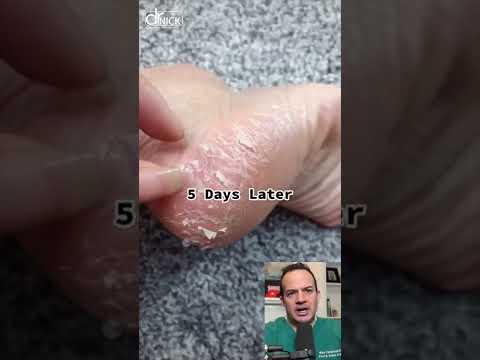
Have you ever noticed your feet looking like they just finished a grueling marathon? Peeling skin can be more than just awkward—it can be uncomfortable and concerning. Many of us experience this at some point, yet it often gets brushed off as a minor issue. The thing is, peeling feet can signal underlying conditions that deserve attention.
This article dives into the various causes behind peeling skin on your feet. From simple dryness to more complex skin conditions, understanding why this happens is crucial for effective treatment. Imagine walking around with feet that not only look better but feel better too.
We’ll cover common triggers and helpful solutions to get you back on track. Whether it’s lifestyle choices or environmental factors, there’s usually a reason behind it all. Remember though, while this information is here to guide you, it’s not meant to replace professional medical advice. It’s always important to consult a healthcare provider when making health decisions.
Your comfort matters! So let’s explore what might be going on with your peeling feet and how to treat them, ensuring you’re ready for whatever life throws your way.
Revive Your Soles: Simple Solutions for Smooth, Healthy Feet
Understanding Peeling Feet
Peeling feet can be a bit annoying, right? It’s one of those things that makes you self-conscious, especially in the summer when sandals are a go-to.
So, what causes this? There could be various reasons. One common cause is dry skin. You know how your skin gets all flaky in the winter? Same idea, just on your feet.
Another potential culprit is athlete’s foot. It’s a fungal infection that can make your skin peel and itch. If you’ve ever felt an uncomfortable burning sensation between your toes, that might be it.
Other Factors to Consider
Sometimes, peeling can happen because of harsh soaps or hot water. These can strip away natural oils from your skin. Using really hot water for a long time—think of it like sticking your hands in boiling soup—definitely doesn’t help.
If you have underlying conditions like eczema or psoriasis, they could also contribute to the issue. These conditions cause inflammation and dryness that might lead to peeling.
Treatments and Solutions
Now let’s chat about what you can do about it! First up: moisturizers. They’re like drinks for your skin! Look for creams with ingredients like urea or lactic acid—they help lock in moisture.
- Coconut oil is another favorite among many for hydration.
- You could even try wearing socks after applying moisturizers at night for extra absorption.
If fungus is suspected, antifungal creams may be a worthwhile option to consider. They work well on athlete’s foot but always read instructions carefully.
Prevention Tips
A good way to prevent peeling feet is proper hygiene. Washing regularly with gentle soap helps maintain a balance without over-drying the skin. Afterwards, dry off really well, especially between the toes; you don’t want that dampness hanging around!
- Avoid going barefoot in communal places like pools or gyms; that’s where fungi love to spread.
- Select breathable footwear made from natural materials to let air circulate around your feet.
When To Seek Help
If peeling persists despite trying these solutions, or if there are signs of infection—like redness and swelling—it might be worth having a chat with someone who knows more about skin issues.
You may discover something simple behind it all!
A Quick Recap
- Peeling feet can arise from dryness or infections like athlete’s foot.
- Moisturizing regularly helps combat dryness.
- Iff fungus is an issue consider using an antifungal cream.
- Minding hygiene goes a long way in prevention.
Soothing Solutions for Happy, Healthy Feet
Understanding Peeling Feet
Peeling feet can be, you know, a bit annoying. It often happens when the skin loses moisture and becomes dry. Think of it like peeling paint off a wall. It usually means something is going on underneath.
There are several common causes of peeling feet. One major one is dryness, which can occur from not moisturizing enough or spending too much time in hot water. You might notice it more during colder months when the air lacks humidity.
Another possible cause is athletes’ foot, a fungal infection that thrives in warm, damp places like sweaty socks and shoes. It can make your skin flaky and itchy, kind of like having sandpaper on your feet.
- Eczema: This is a condition that makes skin inflamed and itchy. It can show up on your feet too.
- Psoriasis: This causes rapid skin cell growth, leading to thick, red patches that may peel.
- Allergic reactions: Sometimes, products like soaps or lotions might irritate your feet and cause peeling.
Treating Peeling Feet
You know what? Treating peeling feet often starts with daily care routines. Keeping your feet clean and well-moisturized is key. Look for creams that have ingredients like urea or glycerin; these help lock in moisture.
If you suspect a fungal infection like athletes’ foot, over-the-counter antifungal creams could be helpful. Applying them according to the instructions can help fight off those pesky fungi.
For conditions like eczema or psoriasis, consulting someone who understands skin issues might be handy. They can recommend suitable products or treatments tailored to your needs.
- Avoid hot water: Instead of soaking your feet in super-hot baths, try warm water—it’s less drying!
- Keep them dry: After washing or swimming, make sure to dry thoroughly between the toes to prevent fungal growth.
- Socks matter: Opt for breathable materials that wick away moisture instead of trapping it.
The Importance of Footwear
Your choice of shoes can also play a big role in foot health. Shoes too tight or made from non-breathable materials may exacerbate peeling problems. Imagine cramming wet paper into a tight box; it won’t fare well! Choose footwear that allows air circulation and gives enough space for comfort.
When to Seek Help
If peeling doesn’t improve with home care or if there are other symptoms—like redness or swelling—it might be time to talk with someone who knows about these things better than I do!
A Refreshing Solution for Sweaty Feet and Skin Renewal
Lots of people deal with sweaty feet. It can be embarrassing and uncomfortable, you know? So, why does it happen? Well, your feet have many sweat glands. When they get hot or anxious, these glands go into overdrive.
Now, let’s think about peeling skin on your feet. Peeling can be caused by several things. For example, athlete’s foot is a common fungal infection that thrives in warm, moist environments. This might sound familiar if you’ve ever had itchy skin between your toes.
Dry skin is another reason for peeling. It happens more often in colder weather or when you’re not moisturizing enough. Hard to believe some people forget to put cream on their feet!
Understanding the Causes
- Poor footwear choices: Shoes that don’t fit well can contribute to sweating and peeling.
- Hygiene habits: Not washing your feet regularly—or not drying them well—can lead to problems.
- Medical conditions: Certain health issues like diabetes or hyperhidrosis (excessive sweating) might play a role.
If you notice peeling skin on your feet regularly, it could also be a sign of eczema or psoriasis. Both of these conditions can show up as dry patches on the skin that flake off.
Treatments That Might Help
- Wearing breathable socks made from natural materials like cotton could help keep things drier.
- A foot powder designed to absorb moisture may reduce sweat and keep things fresh.
- If you have athlete’s foot, antifungal creams or powders can help fight off the infection.
Home remedies are also popular! Some people swear by soaking their feet in solutions containing vinegar or baking soda; it may reduce odor too! But always patch-test anything first—sensitive skin doesn’t mess around!
You might want to check out over-the-counter treatments if regular methods aren’t working for you. Ingredients like salicylic acid can assist in exfoliation and may help with dryness too. Just remember to read those labels carefully—knowing what you’re putting on your body is key!
If problems persist or worsen, consulting a healthcare professional would be wise—you know? It’s always good to seek advice when something doesn’t feel right.
Understanding the Causes of Peeling Feet and Treatments
Peeling feet can be a common yet annoying issue for many people. It affects everyone’s feet at some point, but what’s the deal with it? Well, there are several causes behind this condition. Understanding these can help you find relief faster.
Common Causes
- Dry Skin: This is perhaps the most frequent culprit. When your skin lacks moisture, it can become dry and start to peel. Think of it like how a plant wilts without water.
- Fungal Infections: Fungi thrive in warm, damp environments like sweaty shoes. Conditions like athlete’s foot cause peeling and itching.
- Eczema: This skin condition leads to inflammation and peeling. It’s often triggered by allergens or irritants.
- Psoriasis: A chronic autoimmune disorder, psoriasis can lead to thick, scaly patches on the skin that may peel.
- Nutritional Deficiencies: Lack of certain vitamins or minerals might affect your skin health too. For example, Vitamin B deficiencies are sometimes linked to peeling skin.
Treatment Options
The good news is that treatment options exist! If it’s dry skin, moisturizing regularly is key. Look for creams with ingredients like urea or salicylic acid—they help gently exfoliate and hydrate.
If you’re dealing with a fungal infection, antifungal creams from a pharmacy can be quite effective—just follow the instructions on the label.
Eczema and psoriasis treatments usually involve topical steroids or other specialized medications from healthcare providers to reduce inflammation and redness.
A balanced diet plays an important role too! Eating foods rich in vitamins A, C, and E may promote better skin health overall. don’t forget to stay hydrated!
When To See a Doctor
If peeling persists or worsens despite taking care of it yourself, reaching out to a healthcare professional is wise. They can provide insights tailored specifically to your situation and rule out more serious conditions if needed.
The journey towards healthy feet doesn’t have to be overwhelming; understanding what’s happening helps put you in control!