
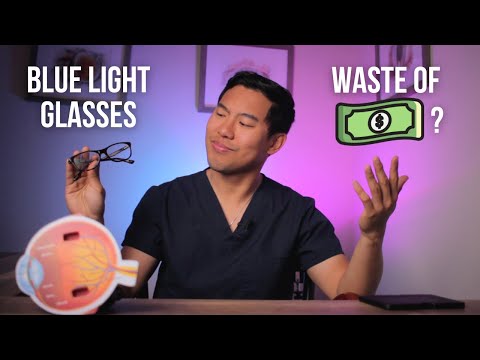
With our lives increasingly spent in front of screens, many of us are wondering about the impact of blue light on our eyes and overall well-being. It’s natural to feel curious when we hear claims about blue light glasses that promise to reduce eye strain, improve sleep, or protect against long-term damage. But do these glasses really make a difference?
Understanding blue light is like understanding sunlight; it has both positive and negative effects. While our bodies need certain amounts of blue light to regulate sleep-wake cycles and boost mood, too much exposure—especially from digital devices—can lead to discomfort and fatigue.
Here are some key points to consider:
The information provided in this article is intended solely for general informational and educational purposes. It does not constitute medical advice, diagnosis or professional treatment, and should not be considered a substitute for consultation with a qualified doctor or other licensed healthcare professional. Any health-related decisions should be made in consultation with accredited medical professionals.
While efforts have been made to ensure the information is accurate and up to date, no guarantees are given—either express or implied—regarding its accuracy, completeness, currency or suitability. Use of this information is at your own discretion.
It is strongly recommended to consult official sources such as the NHS (National Health Service) or other recognised medical institutions before acting on any information contained on this website or article. Under no circumstances should professional medical advice be ignored or delayed due to content read here.
This content is of a general and informational nature only. It is not intended to replace individualised guidance from a healthcare professional or to establish any doctor-patient relationship. The publication of this information does not imply any professional responsibility, guarantee or obligation on the part of the author or this site.
Before jumping on the bandwagon for those trendy blue light glasses, it’s important to dig deeper. Don’t rely solely on one source or sensational headlines. Explore information from trusted specialists and various media outlets. This will give you a balanced perspective and help you make an informed decision that’s right for your eyes. Remember: critical thinking is your best tool in navigating health claims!
Unveiling the Truth Behind the Hype: Do They Really Work?
Blue light glasses have become quite the topic of conversation lately. Many people wonder if they truly make a difference for eye health and comfort. Let’s break it down.
First, what is blue light? It’s a type of light emitted by screens, such as phones, computers, and TVs. Blue light exposure can increase, especially with more screen time.
Some claim that blue light causes eye strain or disrupts sleep. However, the evidence isn’t crystal clear on this. Studies show mixed results regarding blue light’s impact on our eyes.
Here are some key points to consider:
So do they really work? The answer isn’t simple. For many individuals, wearing blue light glasses is more about personal comfort than proven eye health benefits.
More importantly, practicing good screen habits could be just as effective for reducing eye strain:
Ultimately, if you find relief wearing blue light glasses, that could be valuable for you! However it’s wise not to rely solely on them for eye health.
In conclusion, while blue light glasses might provide some comfort for certain individuals during screen time, their overall effectiveness remains unclear based on current research. It’s essential to combine their use with good habits and pay attention to how your eyes feel.
Uncovering the Truth Behind Blue Light Lenses and Your Eye Health
Blue light lenses have become quite popular in recent years. Many people wear these glasses thinking they will protect their eyes from digital screens. But do they really make a difference? Let’s unpack this topic together.
First, it’s important to understand what blue light is. Blue light is a part of the visible light spectrum. It has a short wavelength and high energy compared to other colors of light. We encounter blue light from various sources, including the sun, LED lights, and screens on electronic devices.
There’s been concern about how too much blue light exposure might impact our eye health. Some studies suggest that overexposure could lead to eye strain or discomfort, often referred to as “digital eye strain.” Symptoms may include dryness, blurry vision, and headaches.
Now, let’s talk about blue light glasses. These lenses are designed to filter out a portion of blue light emitted from screens. Many people find wearing them can reduce some of the discomfort associated with prolonged screen time. However, scientific evidence is mixed regarding their effectiveness.
Here are some key points to consider:
Another aspect is the potential impact on sleep quality. Blue light exposure in the evening can interfere with your natural sleep cycle by affecting melatonin production. Melatonin is a hormone that signals your body when it’s time to sleep.
So wearing blue light glasses at night might help some people prepare for sleep – but there are other methods too! Reducing screen brightness and using “night mode” settings on devices can also make a difference.
In summary, while blue light lenses may provide some comfort for certain individuals, they are not a cure-all for digital eye strain or related issues. Remember that taking breaks, managing screen time effectively, and maintaining regular check-ups are equally important for healthy eyes.
As always, stay informed and consult with professionals if you have ongoing concerns about your vision or eye health!
Exploring the Impact of Blue Light Glasses on Your Visual Experience
Blue light glasses have become increasingly popular in recent years. Many people are curious about their effectiveness. So, let’s explore what they really do and if they make a difference.
Blue light refers to a specific wavelength of light that is emitted by screens like computers, smartphones, and TVs. While natural sunlight contains blue light, artificial sources can expose us to higher levels during prolonged screen time.
Some individuals report symptoms such as eye strain, dryness, and fatigue after long hours of staring at screens. This is often called “digital eye strain.” Blue light glasses are marketed as a way to reduce these symptoms by filtering out harmful blue light.
It’s important to note that research on blue light glasses is still evolving. Some studies suggest that while blue light might contribute to eye discomfort, it’s not the only cause. Factors like screen glare, poor lighting, and even bad posture play vital roles.
Here are some key points about blue light glasses:
So, what should you consider before buying blue light glasses?
Firstly, measure your screen time. If you’re spending many hours using devices each day, it might be wise to take breaks. The 20-20-20 rule is simple: every 20 minutes of screen time, look at something 20 feet away for 20 seconds.
Secondly, think about overall eye health habits. Regular check-ups with an eye care professional can help address any concerns you might have regarding vision and discomfort.
Also remember that wearing blue-light-blocking glasses alone won’t replace good practices like proper lighting or taking breaks from screens.
Ultimately, while many find relief using these glasses, it’s crucial to approach them with an open mind and balanced expectations. Listen to your body—if you’re experiencing persistent discomfort or vision issues despite using them or taking breaks, consulting with an eye care professional may be best.
In summary,blue light glasses may provide comfort, but they’re just one part of maintaining good visual health in our digital world.
The rise of blue light glasses has sparked much debate about their effectiveness. With screens dominating our daily lives, understanding the impact of blue light is essential.
Blue light, emitted from devices like smartphones and computers, can disrupt our sleep cycles. It can also contribute to digital eye strain, a condition characterized by discomfort, dryness, and fatigue after prolonged screen use. Many people believe that blue light glasses offer protection against these effects.
However, research on blue light glasses is still evolving. Some studies suggest they may reduce eye strain or improve sleep quality for certain individuals. Others indicate that the benefits are minimal. It’s important to recognize that while these glasses can help filter some blue light, they are not a cure-all.
Consider practical strategies alongside using these glasses. Regular breaks from screens—often called the 20-20-20 rule—can significantly alleviate eye strain: Every 20 minutes, look at something 20 feet away for 20 seconds.
In conclusion, while blue light glasses might provide some benefits for specific users, relying solely on them may not be sufficient. A holistic approach that includes responsible screen time and good eye care practices is essential for overall eye health. Being informed allows us to make choices best suited to our individual needs.

