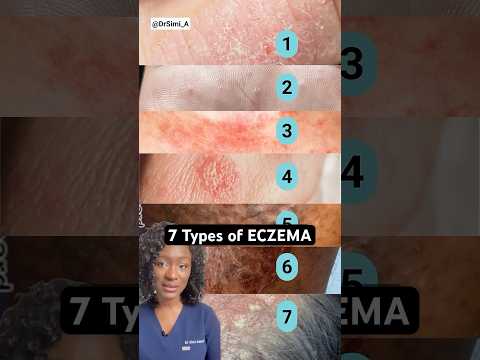
Discoid eczema, also known as nummular eczema, is a condition that affects many people but remains relatively misunderstood. Imagine having round, coin-shaped patches of dry, itchy skin on your body. These patches can be both uncomfortable and frustrating, often leading to self-consciousness about one’s appearance.
In this article, we will explore the symptoms of discoid eczema and the various treatment options available. By understanding this skin condition better, you empower yourself to manage it effectively.
While learning about discoid eczema is important, it’s crucial to remember that each person’s experience with this condition can vary widely. Consult different specialists and trusted sources to gather well-rounded information and comprehensive treatment options tailored for your unique situation. Your health deserves a balanced approach that considers all aspects of care.
The information provided in this article is intended solely for general informational and educational purposes. It does not constitute medical advice, diagnosis or professional treatment, and should not be considered a substitute for consultation with a qualified doctor or other licensed healthcare professional. Any health-related decisions should be made in consultation with accredited medical professionals.
While efforts have been made to ensure the information is accurate and up to date, no guarantees are given—either express or implied—regarding its accuracy, completeness, currency or suitability. Use of this information is at your own discretion.
It is strongly recommended to consult official sources such as the NHS (National Health Service) or other recognised medical institutions before acting on any information contained on this website or article. Under no circumstances should professional medical advice be ignored or delayed due to content read here.
This content is of a general and informational nature only. It is not intended to replace individualised guidance from a healthcare professional or to establish any doctor-patient relationship. The publication of this information does not imply any professional responsibility, guarantee or obligation on the part of the author or this site.
Discover Effective Solutions to Soothe and Heal Discoid Eczema
Discoid eczema, also known as nummular eczema, can be frustrating and uncomfortable. It often appears as round or oval patches on the skin. These patches can become itchy, red, and inflamed.
Understanding the triggers is essential for managing discoid eczema. Common triggers include dry skin, irritants like soaps or detergents, and even stress. Identifying what makes your symptoms worse is a key step towards finding relief.
Hydration is crucial in soothing the skin. Keeping your skin moisturized helps prevent dryness, which can lead to flare-ups. Using thick creams or ointments after bathing locks in moisture effectively.
Another effective approach is to avoid irritants. Choose gentle soaps and skincare products that are fragrance-free. Sometimes, wearing breathable fabrics like cotton can also help reduce irritation.
Over-the-counter treatments are available for managing symptoms too.
For more severe cases, a healthcare provider might suggest prescription treatments like topical steroids or other medications that manage inflammation better.
Natural remedies might provide some comfort as well. Some people find relief using oatmeal baths or applying aloe vera gel on affected areas. Be cautious though; not everything works for everyone.
Mental well-being should not be overlooked either. Stress management techniques such as yoga or meditation may help minimize flare-ups related to emotional triggers.
Finally, remember that what works for one person might not work for another. Keeping a journal of your symptoms can help track what helps you personally and assists in discussions with a healthcare provider about managing this condition effectively.
Always consult with a healthcare provider before starting any new treatment plan to ensure it’s suitable for you!
Unlock Quick Relief: How a Simple Three-Minute Habit Can Transform Your Eczema Care
Many people dealing with discoid eczema find relief through a quick, three-minute habit. It may sound simple, but consistency is key. Here’s how this habit can help transform your daily skin care routine.
Discoid eczema usually appears as round, coin-shaped patches on the skin. These patches can be itchy and inflamed. While treatment varies, keeping the skin moisturized is essential.
The suggested three-minute habit involves a focused moisturizing technique. Here’s how to do it:
Why this matters? Massaging the moisturizer helps improve blood flow to the skin. This can enhance hydration and help the skin barrier function better.
Another benefit is that this routine encourages mindfulness. Taking just three minutes for yourself can reduce stress levels, which may positively affect flare-ups in some people.
It’s worth noting that while moisturizing is important, it shouldn’t replace medical treatments prescribed by a healthcare professional. That said, combining this habit with your treatment plan may lead to improved skin health over time.
Still, be aware of potential irritants in products you choose. Fragrances and dyes are common triggers for many with eczema. Always read labels carefully!
Incorporating this simple habit into your daily routine could be a small step toward better managing your symptoms. Remember, everyone’s experience with eczema is different—what works for one person might not work for another.
If you notice any worsening of your condition or new symptoms, reaching out for professional advice is important. Empower yourself with knowledge and make informed decisions about your health!
Unraveling the Distinctions in Eczema Types for Better Understanding and Treatment
Eczema is a broad term that refers to a group of conditions causing skin irritation. Understanding the different types can help in managing symptoms effectively.
Discoid eczema is one specific type of eczema. It often appears as round or oval patches on the skin. These patches can be red, itchy, and sometimes scaly.
Symptoms of discoid eczema include:
The exact cause is still not fully understood. However, it is thought to be linked to dry skin, allergies, or even infections. Sometimes it flares up due to stress or changes in temperature.
Treatment options focus on relieving symptoms and preventing flare-ups:
Maintaining a good skincare routine is essential in managing discoid eczema. Gentle cleansing and regular application of moisturizers can make a big difference.
It’s also important to note that discoid eczema is different from other types like atopic dermatitis or contact dermatitis. Each type has unique characteristics and triggers.
Some common myths surround eczema generally. One myth suggests it only affects children, but adults can have it too at any age.
In summary, understanding the distinctions between types of eczema is crucial for effective management. Discoid eczema requires particular attention to hydration and care routines.
Always consider talking with someone who understands your individual situation for personalized advice on managing symptoms or treatments.
Discoid eczema, also known as nummular eczema, is a chronic skin condition characterized by circular, coin-shaped patches of inflamed skin. Understanding the symptoms and treatments is crucial for those affected.
Symptoms typically include itchy, dry, and scaly patches that can appear on various body parts. These lesions can sometimes ooze or develop crusts, leading to discomfort and potential secondary infections. It’s essential to recognize these signs early to prevent exacerbation.
When it comes to treatment, a multifaceted approach often works best. Moisturizers play a vital role in managing dryness and irritation. Topical corticosteroids may reduce inflammation during flare-ups. For more severe cases, phototherapy or systemic medications might be necessary.
Education is key in managing discoid eczema effectively. Individuals should understand the importance of avoiding triggers like harsh soaps or environmental factors that exacerbate symptoms. Developing a skincare routine tailored to their needs can significantly improve quality of life.
Encouraging open conversations about discoid eczema helps destigmatize this condition and promotes understanding within the community. Knowledge empowers individuals, fostering better management strategies and encouraging a proactive approach to their health.