The information provided in this article is intended solely for general informational and educational purposes. It does not constitute medical advice, diagnosis or professional treatment, and should not be considered a substitute for consultation with a qualified doctor or other licensed healthcare professional. Any health-related decisions should be made in consultation with accredited medical professionals.
While efforts have been made to ensure the information is accurate and up to date, no guarantees are given—either express or implied—regarding its accuracy, completeness, currency or suitability. Use of this information is at your own discretion.
It is strongly recommended to consult official sources such as the NHS (National Health Service) or other recognised medical institutions before acting on any information contained on this website or article. Under no circumstances should professional medical advice be ignored or delayed due to content read here.
This content is of a general and informational nature only. It is not intended to replace individualised guidance from a healthcare professional or to establish any doctor-patient relationship. The publication of this information does not imply any professional responsibility, guarantee or obligation on the part of the author or this site.
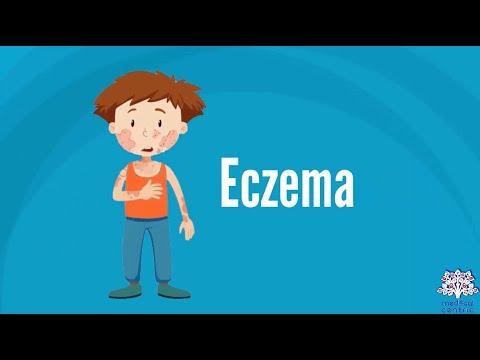
Have you ever noticed a pesky, itchy rash on your skin, but wasn’t sure what it was? You’re not alone. Many people experience skin conditions that can cause discomfort and confusion. One of those is called eczema coxsackium.
This condition, a type of eczema linked to the coxsackievirus, can be particularly tricky. It often looks like other forms of eczema, which can lead to misunderstandings when trying to diagnose it.
In this article, we’ll break down what eczema coxsackium really is. You’ll learn about its symptoms and how it’s diagnosed. Understanding these elements can make a huge difference in how you feel and how you manage the situation.
It’s important to note that this information isn’t meant to replace professional medical advice. Always consult a healthcare professional before making any health decisions. Your skin is unique, and getting a proper diagnosis is essential.
Lets dive deeper into symptoms and diagnostics so you can feel more informed and empowered about your health!
A Visual Journey Through Eczema Coxsackium Symptoms and Treatment
Understanding Eczema Coxsackium: Symptoms and Diagnosis
Eczema Coxsackium, sometimes called Coxsackie virus infection, can be pretty confusing. The name might sound complex, but let’s break it down together.
This condition is often associated with a specific strain of the Coxsackie virus. It mainly affects children but can show up in adults too. So what does it look like?
Common Symptoms
- Rash: Look for red, itchy patches that may blister or peel. These can pop up on different parts of the body.
- Pain and Discomfort: Affected areas might feel sore or tender. Kids especially can get quite cranky because of this.
- Fever: It’s not unusual for someone with eczema coxsackium to run a mild fever alongside the rash.
The symptoms usually appear about three to seven days after exposure to the virus. A rash can start suddenly and spread quickly—sometimes even overnight! Imagine waking up with spots you didn’t have before; it’s alarming.
Diagnosis
Your healthcare provider will likely start by checking your skin closely. They’ll ask questions about your medical history, like if you’ve been around anyone sick recently. Sometimes, they may suggest blood tests or swabs from lesions to confirm if it’s really eczema coxsackium you’re dealing with.
You know, it’s easy to confuse this type of eczema with other skin conditions like allergic reactions or regular eczema (the dry skin kind). That’s why professional guidance is super important!
Treatment Options
- Creams and Ointments: Topical treatments like hydrocortisone can help ease itching and inflammation.
- Pain Relief: Over-the-counter pain relievers might be recommended if discomfort gets too high.
- Stay Hydrated: Keeping hydrated is always good! Drinking plenty of fluids helps your body fight off infections better.
The key here is managing symptoms rather than completely eliminating the condition—since it’s viral in nature.
A Few Considerations
Eczema coxsackium typically resolves itself within a week or two. It’s crucial for anyone experiencing severe symptoms or lasting effects to seek help from a health professional right away.
Lifestyle changes also play a big role in recovery. For example, wearing loose clothing helps avoid irritation on sensitive spots since tight fabrics could aggravate rashes.
The thing to remember is that patience goes a long way here — things will get better!
If you’re ever in doubt about skin issues, don’t hesitate to reach out for support; talking things through can make all the difference!
A Holistic Approach to Soothing Your Skin’s Irritation
If you’ve ever experienced skin irritation, you know how uncomfortable it can be. When it comes to conditions like eczema and other irritations, a holistic approach can help manage symptoms more effectively.
What is Eczema Coxsackium?
Eczema Coxsackium is a specific type of dermatitis that can cause red, itchy patches on your skin. It’s often linked to viral infections, particularly those caused by coxsackievirus. This virus is part of the enterovirus family and can lead to various illnesses.
Symptoms of Eczema Coxsackium include redness, swelling, and sometimes blisters or rashes. It might not sound serious, but it sure feels annoying! Most common in children, adults aren’t immune either. The key is recognizing those signs early on.
Holistic Methods for Relief
Now let’s talk about soothing your skin from a holistic viewpoint. This means looking at your overall lifestyle—what you eat, how you manage stress, and even the products you use on your skin.
- Moisturization: Keep your skin hydrated with gentle moisturizers. Look for ones that are free from fragrances and harsh chemicals.
- Diet: Some people find certain foods aggravate their eczema. Foods rich in omega-3 fatty acids like fish or walnuts could help reduce inflammation.
- Stress Management: Stress is a known trigger for flare-ups. Consider activities like yoga or meditation to help calm both mind and skin.
- Avoid Irritants: Common irritants include laundry detergents or soaps with strong perfumes. Opt for hypoallergenic brands if possible!
The Role of Diagnosis
If you’re unsure whether what you’re experiencing is indeed Eczema Coxsackium or something else, seeking a proper diagnosis is crucial. A healthcare provider can give insights into managing these symptoms based on their expertise.
This process may involve examining the rash closely or even conducting tests to rule out other conditions that could mimic eczema’s appearance.
The Importance of Patience
Treating skin irritation holistically requires time and patience. You might try several methods before finding what works best for you personally—it’s all about tuning into your body’s needs.
If you’re considering any alternative treatments or making significant lifestyle changes—always consult someone who understands these issues well!
Your Journey Forward
A holistic approach isn’t just about topical solutions; it’s integrating body awareness into daily life as well! Remember that everyone’s skin responds differently; so take note of what eases yours specifically.
You’re not alone in this journey—the irritation can be frustrating but there are ways to move forward positively while maintaining hope for healthier skin days ahead!
Unraveling the Myths Behind Eczema and Its Spread
Understanding Eczema and Its Myths
Eczema is a common skin condition that causes itchy, inflamed patches on the skin. It’s important to set the record straight on some myths surrounding it. You know, there are lots of misconceptions that can make living with eczema more confusing.
What’s Eczema Coxsackium?
First off, let’s clarify something. Eczema Coxsackium isn’t a recognized term in dermatology. It seems like people often mix up eczema with other skin issues, sometimes spreading misinformation. The virus the term refers to, Coxsackievirus, is associated with a different set of symptoms.
Symptoms of Eczema
The symptoms can vary widely from person to person. Common signs include red rashes, dry skin, and intense itching. Sometimes it even oozes fluids when scratched. Think about it like having sensitive skin all the time; even simple things like temperature changes can trigger a flare-up.
The Spread of Eczema
A lot of folks believe eczema is contagious, but that’s not true at all! You can’t catch eczema from someone else like you would a cold or flu. It’s actually linked to genetics and environmental factors instead.
Diagnosis Can Be Tricky
If you think you have eczema, a healthcare professional usually diagnoses it based on your symptoms and medical history. There aren’t any specific tests for it—just observation and discussion about what’s happening with your skin.
Mistakes About Treatment
A common myth is that using heavy creams or ointments will always worsen eczema. While some products may irritate your skin further, many moisturizers are quite helpful in managing moisture levels in your skin—this helps prevent flare-ups.
Diet Connections
Another recurring idea is that diet directly causes or cures eczema—this isn’t always clear-cut either! Some people notice that certain foods trigger their symptoms while others don’t experience any change at all after dietary adjustments.
Stress and Eczema
You might wonder if stress can affect eczema too; indeed it can! Stress can exacerbate symptoms for many individuals by causing inflammation in the body. Think of your body responding to stress like how an alarm goes off—it reacts quickly without thinking about the consequences.
A Final Word on Myths
If you’re dealing with eczema or know someone who is, remember: asking questions and gathering accurate information is key! Keep an eye out for well-researched resources and don’t hesitate to consult professionals for personalized advice—that way you’ll be empowered rather than confused by myths!
Understanding Eczema Coxsackium is pretty crucial for anyone dealing with skin conditions. It’s a term that’s not widely known, and for good reason—it combines elements of eczema and a viral infection caused by the Coxsackie virus. This might sound complicated, but let’s break it down.
Symptoms can often mimic those of regular eczema—think red, itchy patches that can flare up. However, what sets it apart is often the timing; if someone recently had a viral infection or was exposed to others who did, it raises flags. The inflammation can be intense, leading to discomfort that is difficult to manage.
Diagnosis typically involves careful observation of symptoms and medical history. A health professional may ask about recent illnesses or any contact with infected individuals. Sometimes they might suggest lab tests to rule out other conditions that could seem similar.
What’s important here is understanding how these symptoms connect back to both eczema and the virus itself—knowing this helps in managing the discomfort and preventing further complications. The emotional impact shouldn’t be overlooked either; living with any skin condition can take a toll on one’s mental well-being.
In short, increasing awareness about Eczema Coxsackium could help many people find relief sooner rather than later. It’s all about connecting the dots between symptoms and underlying causes and ensuring there’s support along the way.