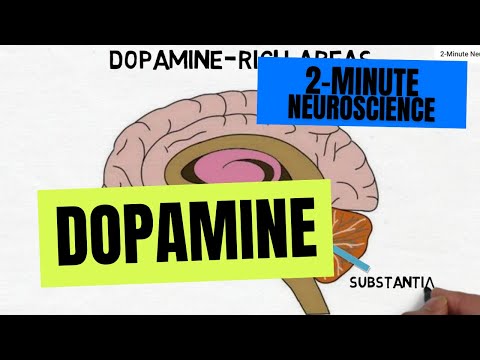
Dopamine is often referred to as the “feel-good” neurotransmitter, but its role in our lives is much more complex. Imagine dopamine as a radio signal that broadcasts messages throughout your brain, influencing everything from your mood and motivation to movement and pleasure. It’s involved in reward pathways, helping you feel joy when you achieve something or enjoy your favorite activities, like spending time with loved ones or indulging in a delicious meal.
However, dopamine isn’t just about feeling good; it also plays a crucial part in how we learn and adapt to our environment. When you learn something new—whether it’s mastering a recipe or picking up a new hobby—dopamine reinforces that behavior by making you feel satisfied. This cycle of learning and reward is essential for personal growth and developing habits.
But it’s important to recognize that while dopamine can enhance our lives, an imbalance can lead to problems. Too little dopamine may contribute to feelings of apathy or depression, while too much can be linked to addictive behaviors and certain mental health disorders.
Warning: Understanding dopamine’s functions is vital for making informed health decisions. However, this article provides only a basic overview. The science behind neurotransmitters is intricate, and individual experiences may vary greatly. Always seek diverse perspectives from qualified specialists and consult reputable sources before drawing conclusions about your own health or the health of others.
The information provided in this article is intended solely for general informational and educational purposes. It does not constitute medical advice, diagnosis or professional treatment, and should not be considered a substitute for consultation with a qualified doctor or other licensed healthcare professional. Any health-related decisions should be made in consultation with accredited medical professionals.
While efforts have been made to ensure the information is accurate and up to date, no guarantees are given—either express or implied—regarding its accuracy, completeness, currency or suitability. Use of this information is at your own discretion.
It is strongly recommended to consult official sources such as the NHS (National Health Service) or other recognised medical institutions before acting on any information contained on this website or article. Under no circumstances should professional medical advice be ignored or delayed due to content read here.
This content is of a general and informational nature only. It is not intended to replace individualised guidance from a healthcare professional or to establish any doctor-patient relationship. The publication of this information does not imply any professional responsibility, guarantee or obligation on the part of the author or this site.
Unraveling the Brain’s Reward System and Its Impact on Behavior
The brain’s reward system is a fascinating part of how our minds work. It’s like the brain’s own cheering squad, encouraging behaviors that feel good or are beneficial. Understanding this system can help us grasp why we act the way we do.
At the heart of this reward system is a chemical called dopamine. Think of dopamine as a messenger that tells our brain when something feels enjoyable or satisfying. When you eat your favorite food or receive praise, dopamine levels rise, making you feel good.
This isn’t just about pleasure; it’s also about survival. Activities that are crucial for life, like eating and reproduction, trigger dopamine release. This helps reinforce those behaviors, so we want to do them again and again.
However, there can be downsides. Overstimulation of this reward system—like with drugs or certain behaviors (like gambling)—can lead to problems. Instead of enjoying everyday rewards, people may chase more intense experiences to get their dopamine fix.
Here are key points to consider:
It’s essential to recognize the impact this has on behavior. Our brains have been wired for rewards over thousands of years, which is why instant gratification feels so appealing today.
Understanding how your reward system functions can empower you to make better choices in life. Developing healthy habits—for instance, engaging in exercise or pursuing hobbies—can stimulate your brain positively without leading to harmful effects.
Staying mindful of how you pursue pleasure is vital too. Activities with sustainable rewards usually bring more lasting happiness compared to fleeting ones like binge-watching TV or excessive social media use.
In conclusion, by unraveling the complexities of the brain’s reward system and its relationship with dopamine, you can gain valuable insights into your own behaviors and motivations. This knowledge serves as a reminder that balance is key when it comes to finding joy and satisfaction in life’s offerings while avoiding potential pitfalls along the way.
Unlocking the Science Behind Our Brain’s Feel-Good Chemical
Dopamine is often dubbed the brain’s “feel-good” chemical. It plays a significant role in how we feel pleasure, motivation, and reward. But there’s much more to dopamine than just happiness.
Think of dopamine like a messenger in your brain. It passes signals between nerve cells. When you do something enjoyable, your brain releases dopamine, making you feel good. It’s similar to getting a high-five after doing something well.
Here are some key functions of dopamine:
However, too much or too little dopamine can cause issues. An excess might lead to risky behaviors or addiction, while a deficit could result in conditions like depression or Parkinson’s disease.
It’s essential to understand that dopamine levels can be influenced by various factors including diet, exercise, and sleep. For example, physical activity can boost dopamine production naturally.
Some people believe that consuming certain foods can dramatically increase their dopamine levels. While a balanced diet with proteins (like fish and eggs) provides the building blocks for dopamine production, simply eating specific foods isn’t a magic solution.
In our modern world filled with instant gratification—think social media likes or junk food—it’s easy to become reliant on quick hits of pleasure from dopamine. It’s important to seek out sustainable sources of happiness too.
Activities like spending time with loved ones, mastering new skills or even meditation have been shown to help maintain healthy dopamine levels over time.
Keep in mind that everyone’s brain chemistry is unique. What works for one person may not work the same way for another.
Understanding how our brains use chemicals like dopamine empowers us to make informed choices about activities that enhance our well-being without falling into harmful patterns.
To sum it up: Dopamine is essential for pleasure and motivation but needs balance. By being aware of how it influences our behavior and making thoughtful decisions about our daily actions, we can nurture both our mental health and overall happiness.
Unveiling the Versatile Roles of Dopamine in Our Lives
Dopamine is a fascinating neurotransmitter that plays several important roles in our lives. Often dubbed the “feel-good” chemical, it’s involved in how we experience pleasure and reward.
When you enjoy a delicious piece of chocolate or complete a challenging task, dopamine is released, making you feel happy. This reward pathway encourages us to repeat behaviors that bring us joy.
But dopamine’s role extends beyond just feeling good. It also affects motivation. Higher levels of dopamine can boost your drive to pursue goals. Think of it like fuel for your car; without it, you might not have the energy to move forward.
In addition to pleasure and motivation, dopamine helps with movement. Inadequate levels can lead to issues like Parkinson’s disease, where individuals struggle with controlling their movements. It’s crucial for coordinating our physical actions smoothly.
Dopamine also plays a significant role in learning. When we learn something new, dopamine enhances memory formation. It’s like having a spotlight that highlights important information, helping us remember it later.
Moreover, this neurotransmitter influences our overall mood and mental health. Imbalances may contribute to conditions such as depression or anxiety. It’s essential to keep an eye on how your mood fluctuates; this could indicate changes in dopamine levels.
Despite its many positive aspects, it’s important to understand that too much dopamine can be harmful too. This situation may lead to risk-taking behaviors or addiction. Finding balance is key!
In summary:
Understanding the versatile roles of dopamine can empower you with knowledge about your own brain’s functioning. Always remember: maintaining balance is essential for overall well-being!
Dopamine is often referred to as the “feel-good” neurotransmitter, but its role in our lives is much more complex. This chemical messenger plays a crucial part in several essential functions, ranging from mood regulation to motivation and reward processing.
One of the fascinating aspects of dopamine is its involvement in the brain’s reward system. When we accomplish something pleasurable or fulfilling—like eating our favorite food or completing a task—we experience a surge of dopamine. This reinforces behaviors, encouraging us to repeat them. It’s similar to how a dog learns tricks through treats; when it gets rewarded, it wants to perform that trick again.
However, it’s important to recognize that too much dopamine can lead to negative behaviors. Excessive release may contribute to addiction by creating an unhealthy craving for stimulants—be it drugs, social media notifications, or unhealthy foods. Understanding this balance is vital for maintaining healthy habits.
Dopamine also helps with movement and coordination. In conditions like Parkinson’s disease, where dopamine-producing neurons degenerate, patients may experience tremors and difficulty with physical activities. This illustrates how deeply dopamine influences not only our feelings but also our physical abilities.
Thinking critically about dopamine helps debunk myths surrounding quick fixes for happiness or mental health issues. Relying solely on external sources of pleasure can lead to imbalances and dissatisfaction over time.
In summary, while dopamine is essential for happiness and motivation, fostering healthy relationships with our sources of joy creates a more sustainable path toward well-being. Understanding its complexities empowers us to make informed choices about our lives and health.