The information provided in this article is intended solely for general informational and educational purposes. It does not constitute medical advice, diagnosis or professional treatment, and should not be considered a substitute for consultation with a qualified doctor or other licensed healthcare professional. Any health-related decisions should be made in consultation with accredited medical professionals.
While efforts have been made to ensure the information is accurate and up to date, no guarantees are given—either express or implied—regarding its accuracy, completeness, currency or suitability. Use of this information is at your own discretion.
It is strongly recommended to consult official sources such as the NHS (National Health Service) or other recognised medical institutions before acting on any information contained on this website or article. Under no circumstances should professional medical advice be ignored or delayed due to content read here.
This content is of a general and informational nature only. It is not intended to replace individualised guidance from a healthcare professional or to establish any doctor-patient relationship. The publication of this information does not imply any professional responsibility, guarantee or obligation on the part of the author or this site.
Have you ever thought about how your lungs work every single day, silently keeping you alive? It’s pretty amazing, right? Every breath you take is a complex process involving not just your lungs but also the trachea and bronchial tree. These parts of your respiratory system play crucial roles in ensuring oxygen gets to your blood while removing carbon dioxide. Sometimes we take this for granted until we notice something’s off.
In this article, we’ll break down how the lung, trachea, and bronchial tree function together to support your health. After all, understanding how our bodies work helps us make better health choices. You’ll learn what each part does and why it matters. Think of it like knowing how a car engine operates; when you know the parts, you’re better at taking care of it.
But remember, this article isn’t a substitute for professional medical advice. Health decisions are best made with the guidance of a healthcare professional who understands your unique situation.
Navigating the Pathways of Your Lungs
Hey, let’s chat about your lungs. They’re more than just a couple of bags that inflate and deflate. They play a vital role in how your body gets oxygen, and, honestly, understanding them can help you appreciate what they do.
The Basics: What Are Lungs?
Your lungs are two spongy organs in your chest. They’re essential for breathing. When you inhale, air enters through your nose or mouth and travels down a tube called the trachea.
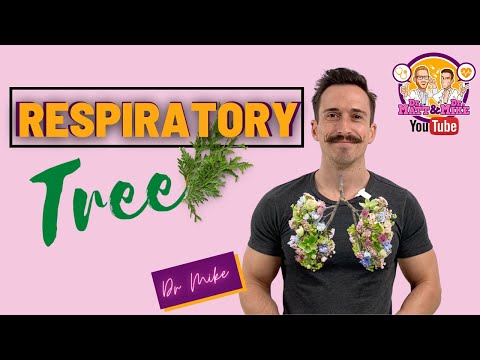
The trachea is basically like a highway for air. It branches out into smaller roads known as bronchi, which then split off into even smaller pathways called bronchioles. Think of it as a tree with lots of branches! Each branch helps direct air deep into the lung tissue.
What Happens Inside the Lungs?
Once air reaches the lungs, it’s not just sitting around. There’s a super important process happening called gas exchange. This is where oxygen moves from the air into your blood, and carbon dioxide moves from the blood to be exhaled. Imagine passing notes in class—oxygen gets delivered to where it’s needed.
- Oxygenation: Fresh air flows through the bronchi and bronchioles to tiny little sacs called alveoli.
- Carbon Dioxide Removal: Waste carbon dioxide gathers in these sacs before being pushed out when you exhale.
The Role of Cilia and Mucus
Your lungs also have built-in defense systems! Cilia are tiny hair-like structures lining your airways that move mucus and trapped particles out of your system. Think of them like little brooms sweeping away dust and germs.
Mucus is also crucial; it traps bad stuff like smoke or bacteria so they don’t get deep into your lungs. Keeping these pathways clear helps maintain lung health!
Lung Health: What Affects It?
Certain factors can impact how well our lungs work over time. For example:
- Smoking: It damages both cilia and lung tissue, leading to diseases like COPD (Chronic Obstructive Pulmonary Disease).
- Pollution: Breathing in smoke or chemical pollutants can irritate lungs over time.
- Exercise: Surprisingly helpful! Regular activity keeps lung muscles strong and improves breathing efficiency.
Taking Care of Your Lungs
You might wonder how to care for these vital organs? First off, avoiding smoking is huge! Secondly, staying active promotes good lung function.
Breathe fresh air whenever you can; spending time outdoors can do wonders too—just be mindful of pollution levels in your area!
The Bottom Line
Your respiratory system is intricate but fascinating! By understanding its pathways—from trachea to bronchioles—you gain insight into maintaining healthy lungs throughout life. Keeping an eye on potential irritants while being active can go a long way towards making sure they stay happy!
Exploring the Intricate Network of Our Respiratory System
Understanding the Respiratory System
The respiratory system is super important for our survival. It helps us breathe, and that’s kind of a big deal, right? It’s made up of various parts, including the lungs, trachea, and bronchial tree. Together, they work to get oxygen into our bodies and remove carbon dioxide.
The Role of the Lungs
Your lungs are like two spongy balloons in your chest. They expand when you breathe in and contract when you breathe out. This process allows fresh oxygen to enter your bloodstream.
Think of them as air filters; they take in air, extract oxygen, and get rid of waste gases. When you exhale, it’s like letting out stale air from a room. Easy enough to visualize, right?
The Trachea: The Main Airway
The trachea, or windpipe as some call it, is the tube that connects your throat to your lungs. Picture it like a highway for air—leading straight down into your bronchial tree.
It has rings made of cartilage that keep it open so it’s not squished shut when you move around or bend over.
Bronchial Tree: Branching Out
The bronchial tree is pretty cool! It starts where the trachea splits into two main branches that lead into each lung. These branches keep dividing into smaller tubes called bronchioles.
You can think of it like a tree with many branches; each smaller branch gets closer to where gas exchange happens in the alveoli at the very end. This is where oxygen enters your blood while carbon dioxide exits!
The Importance of Air Quality
Air quality directly affects how well these parts function together. Pollutants or smoke can irritate the lungs and make breathing difficult—like trying to take a deep breath through a straw! That’s why good air quality is crucial for health.
Common Issues Affecting the Respiratory System
- Asthma: A condition that causes wheezing and shortness of breath due to inflamed airways.
- Chronic Bronchitis: Caused by long-term irritation; think cough with lots of mucus—yuck!
- Pneumonia: An infection that fills your alveoli with fluid instead of air; makes breathing really tough.
Keeeping Your Respiratory System Healthy
You can promote lung health by not smoking and minimizing exposure to pollutants—you know? Regular exercise also helps strengthen respiratory muscles and improves overall lung capacity.
Staying hydrated keeps mucus thin which is easier for your body to clear out unwanted materials from your lungs too!
A Complex Yet Beautiful System
Your respiratory system may seem complex but look at how beautifully everything works together! Understanding how it functions gives us an appreciation for our bodies and highlights why we should care for them more thoughtfully.
Explore the Intricate Branching Systems of the Respiratory Tract
Understanding the Structures of the Respiratory Tract
The respiratory tract is like a complex highway system, designed to help us breathe. It starts from the nose and mouth, travels down through the trachea, and branches out into smaller tubes in the lungs called bronchi and bronchioles. Each part has its job.
The Trachea: The Windpipe
Think of the trachea as a sturdy tube connecting your throat to your lungs. It’s made of flexible cartilage that keeps it open. If you look inside, you’ll find cilia—tiny hair-like structures that filter out dust and other particles from the air we breathe.
Bronchial Tree: Branching Out
When air reaches the lungs, it enters the bronchi, which are like big branches of a tree. From there, these bronchi split into smaller branches called bronchioles. Each bronchiole further divides into even tinier tubes ending in alveoli.
The Role of Alveoli
Alveoli are small sacs where gas exchange happens. Here, oxygen from what we breathe gets absorbed into our blood while carbon dioxide is released back into the air to be exhaled. It’s similar to how a sponge absorbs water; alveoli soak up oxygen instead.
Gas Exchange: A Vital Process
This gas exchange is crucial for our body. Imagine trying to run without oxygen—you’d tire out quickly! Our cells need oxygen for energy when they break down food.
Lung Health: Keeping Everything Clear
- A good way to support lung health is by avoiding smoking.
- Air pollution can also irritate these delicate structures—so fresh air really matters!
- Staying hydrated helps keep mucus thin and easier to clear out from your airways.
Common Issues: What Can Go Wrong?
Sometimes issues arise in this intricate system. For instance, bronchitis inflames these tubes, making it hard to breathe or cough comfortably. Then there’s asthma; it’s like having a narrow straw that makes breathing difficult during flare-ups.
The Importance of Awareness
Understanding how your respiratory system works helps foster better health choices. It’s crucial not just for athletes but for anyone who wants their lungs to work well as they age.
If you’re ever unsure about symptoms or changes in your breathing patterns, talking with someone knowledgeable is always wise—it could make all the difference!
Understanding the functions of the lung, trachea, and bronchial tree is crucial for maintaining respiratory health. These components work together to ensure that oxygen enters our body while expelling carbon dioxide. It’s a pretty amazing process when you think about it.
The lungs are spongy organs that sit in our chest, responsible for gas exchange. They take in oxygen and release carbon dioxide, a waste product of cellular processes. It’s like breathing in fresh air and then letting go of unwanted leftovers.
Now, the trachea acts as a sturdy tube connecting your throat to your lungs. Think of it as a highway for air. It branches off into two main bronchi that lead to each lung. This branching structure resembles a tree’s trunk dividing into smaller limbs and twigs—hence the nickname bronchial tree.
These passages have special features too. The trachea and bronchi are lined with tiny hairs called cilia that help move mucus up out of the lungs. This is vital because mucus traps dust, bacteria, and other particles we don’t want hanging around in our airways.
When any part of this system isn’t functioning properly—due to illnesses like asthma or infections—it can lead to serious health issues. Regular check-ups and being aware of respiratory symptoms can help us catch problems early.
Understanding how these components function gives us insight into respiratory health, allowing us to make better lifestyle choices—like avoiding smoking or managing allergies effectively.