The information provided in this article is intended solely for general informational and educational purposes. It does not constitute medical advice, diagnosis or professional treatment, and should not be considered a substitute for consultation with a qualified doctor or other licensed healthcare professional. Any health-related decisions should be made in consultation with accredited medical professionals.
While efforts have been made to ensure the information is accurate and up to date, no guarantees are given—either express or implied—regarding its accuracy, completeness, currency or suitability. Use of this information is at your own discretion.
It is strongly recommended to consult official sources such as the NHS (National Health Service) or other recognised medical institutions before acting on any information contained on this website or article. Under no circumstances should professional medical advice be ignored or delayed due to content read here.
This content is of a general and informational nature only. It is not intended to replace individualised guidance from a healthcare professional or to establish any doctor-patient relationship. The publication of this information does not imply any professional responsibility, guarantee or obligation on the part of the author or this site.
Have you ever stopped to listen to your own breath? It might sound odd, but the noises your lungs make can tell a lot about your health. Bronchial breath sounds are one of those things that often raise questions among people. If you’ve ever caught yourself wondering why those sounds happen, you’re not alone.
These sounds are directly related to how air moves through our bronchial tubes. You know, the passages that carry air to and from your lungs. Sometimes they can indicate something minor, and other times they might signal a need for further evaluation.
This article will dive into what bronchial breath sounds are, their possible causes, and the care options available. It’s important for you to understand these concepts because they play a role in your overall respiratory health.
Remember though, this information doesn’t replace professional medical advice. Making decisions about your health is serious business. Always consult with a healthcare professional for guidance tailored to your situation.
Discover the Key Conditions Behind Distinct Bronchial Breath Sounds
Understanding Bronchial Breath Sounds
Bronchial breath sounds are unique noises that can be heard when listening to someone’s breathing. These sounds come from the large airways in the lungs, specifically the bronchi. You know, they are located above the smaller air passages and can tell us a lot about what’s happening inside the lungs.
What Do Bronchial Breath Sounds Indicate?
Normally, you might hear soft and gentle sounds when breathing, known as vesicular breath sounds. But if bronchial breath sounds are present where they shouldn’t be, it could mean something’s up. These may indicate problems like pneumonia or a lung mass, causing more turbulent airflow.
Causes of Distinct Bronchial Breath Sounds
- Pneumonia: This is an infection in the lung tissue. It makes the air spaces full of fluid or pus, which changes how air moves.
- Atelectasis: Sometimes parts of the lung collapse, reducing airflow to sections of it. This can cause abnormal breath sounds as well.
- Tumors: A mass in or around the lungs can obstruct normal airflow too; making breath sounds alterations noticeable.
- Lung Fibrosis: Scarring of lung tissue alters normal air passage and may lead to distinct sounds during breathing.
The Role of Listening
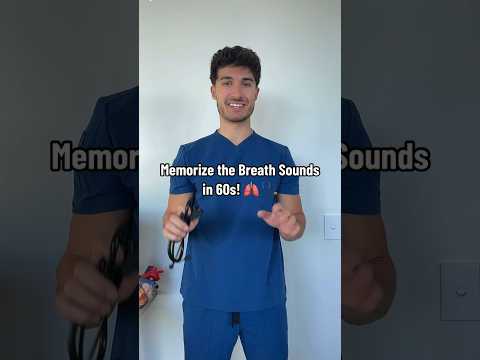
A healthcare provider often uses a stethoscope to listen for these distinct bronchial breath sounds. It’s basically like tuning into your body’s radio station—each sound tells a different story about your health!
Caring for Your Lungs
If someone has abnormal bronchial breaths sound, it’s essential to investigate further. Techniques might involve imaging tests like X-rays or CT scans. These help visualize any underlying conditions that could be contributing.
- Medications: Depending on what’s causing those sounds, doctors might prescribe antibiotics for infections or other treatments for specific issues.
- Lifestyle Changes: Quitting smoking is huge! It’s one way to lessen lung complications over time and improve overall respiratory health.
- Pulmonary Rehabilitation:This is an exercise program designed for individuals with chronic lung diseases—helping them breathe easier over time.
Misperceptions About Breath Sounds
A common myth is that if you have bronchial breath sounds, you must have a severe illness. Not always true! Sometimes they merely indicate irritations or inflammation without serious underlying conditions.
It’s best not to jump to conclusions but rather explore options through discussions with a healthcare provider.
Simplifying complex terms helps us understand our bodies better! Understanding bronchial breath sounds isn’t just about medical terms; it’s about listening closely and responding wisely when things sound amiss!
Uncovering the Hidden Messages in Your Lungs
Understanding Bronchial Breath Sounds
When you breathe, the sounds your lungs make can tell a lot about your respiratory health. Bronchial breath sounds are one type of these noises. They happen when air moves through the large airways in your lungs.
What Are Bronchial Breath Sounds?
Bronchial breath sounds are typically loud and hollow in nature. They’re similar to the sound you’d hear when you blow through a tube. It’s like listening to someone speak into a cardboard tube; it’s distinct, right? These sounds are usually heard over the trachea and main bronchi, which are major pathways for air entering your lungs.
Why Do We Care About Them?
The thing is, abnormalities in bronchial sounds can hint at underlying issues. For instance, if they’re heard over areas of the lung where you typically wouldn’t expect them, it may signal problems like infections or fluid buildup.
Common Causes of Abnormal Sounds
- Pneumonia: This lung infection can fill your air sacs with fluid or pus.
- Bronchitis: Inflammation of bronchi often leads to changes in breath sounds.
- Tumors: These can block normal airflow, transforming how breath sounds are produced.
- Atelectasis: This condition involves part of the lung collapsing and can alter sound patterns.
How Are They Assessed?
A healthcare provider usually listens to your lungs using a stethoscope during a physical exam. They might ask you to breathe deeply while they check for any unusual sounds. It’s a pretty standard procedure that helps identify any potential issues without having to do invasive tests right away.
Caring for Your Lungs
If abnormal bronchial breath sounds are detected, care options vary based on the underlying cause. Sometimes antibiotics could be prescribed for infections like pneumonia. Other times, treatments might focus on managing chronic conditions like asthma or COPD (Chronic Obstructive Pulmonary Disease).
Lifestyle Choices Matter
Your lifestyle plays an important role in lung health too! Regular exercise can strengthen your lungs and improve their function. Avoiding smoking is another biggie; it’s one of those things that can lead to serious lung damage over time.
Final Thoughts
You know, understanding what’s going on with our lungs is key to maintaining good health. Paying attention to changes in breathing patterns and seeking help when unsure is super important. While always best practice is reaching out for professional advice if something feels off!
Understanding the Unique Sounds of Your Lungs
You might not think about it much, but your lungs have a voice. Yes, I mean that literally! When you breathe, your lungs produce different sounds that can tell you a lot about your respiratory health. But what do those bronchial breath sounds mean? Let’s dive into it.
What are Bronchial Breath Sounds?
Bronchial breath sounds are normal noises you hear when air moves through the large airways in your lungs. Think of them like the sound of wind rustling through trees. They have a hollow quality and are often loudest when you listen over the trachea or major bronchi—basically, where air enters the lungs.
How Do They Differ from Other Lung Sounds?
Lungs make various sounds. For example, normal breathing produces soft rustling noises called vesicular breath sounds. When we compare these to bronchial sounds, vesicular ones are quieter and softer. If bronchial sounds come up where they shouldn’t be detected, it could indicate an issue.
Why Do Bronchial Breath Sounds Matter?
So, why should we care? Changes in these lung sounds may point to underlying conditions like pneumonia or lung cancer. For instance, if someone develops a cold and later has persistent wheezing or crackles (another kind of sound), it’s a signal to pay attention.
Common Causes of Altered Breath Sounds
- Pneumonia: Inflammation in the lungs can lead to louder bronchial sounds as fluid replaces normal air spaces.
- Atelectasis: This condition occurs when part of the lung collapses; patients might have uneven breath sounds because certain areas aren’t working well.
- Tumors: Growths in the lung tissue might obscure airflow and change sound characteristics.
Caring for Your Lungs
Caring for your lungs helps maintain good breath sounds and overall health. Quitting smoking is crucial since smoking damages lung tissues over time. Regular exercise increases lung capacity too—think of it as giving your lungs a workout! Eating fruits and vegetables can also support respiratory health because they contain antioxidants that protect cells.
When Should You Seek Help?
If you’re noticing persistent changes in breath sounds or having trouble breathing at times, reaching out for medical advice is important. It’s always better to check things out than ignore them. Sometimes what seems like nothing can turn into something more serious if left unattended.
A Quick Note on Listening Techniques
If you’re curious about how doctors listen to these sound differences, they use stethoscopes placed on areas of your chest back while you breathe deeply through your mouth—as simple as that! They look for variations between sides and note any abnormal patterns.
Your Lungs Are Unique!
Your individual breathing patterns say something special about who you are! Just like fingerprints differ from person to person, so do our lung functions and their associated sounds. Paying attention can help keep our respiratory systems healthy!
Understanding Bronchial Breath Sounds
Bronchial breath sounds are those loud, harsh sounds that you might hear when someone breathes. They’re normally heard over the trachea, which is basically the windpipe leading to the lungs. However, if they’re heard in other areas, like over lung fields, that can indicate something’s not right.
What Causes Bronchial Breath Sounds?
When these sounds occur outside their usual location, it often means that there’s consolidation in the lungs. Think of consolidation like a sponge—when it’s dry, it absorbs air and feels soft. When it’s wet or filled with fluid (like in pneumonia), it becomes denser and changes how sound travels through it.
Other conditions that might lead to abnormal bronchial sounds include lung infections, tumors, or even fluid buildup from heart failure. It’s vital to pay attention to where these sounds occur and what they signify.
Care Options for Abnormal Breath Sounds
If bronchial breath sounds are detected inappropriately, a healthcare provider will usually recommend diagnostic tests like chest X-rays or CT scans. These tests help pinpoint underlying issues. Depending on what’s found, treatment can vary vastly.
- Medications: Antibiotics for infections or steroids for inflammation could be prescribed.
- Therapies: Chest physiotherapy helps clear mucus from the lungs.
- Surgery: In extreme cases where there are blockages or tumors involved.
Caring for lung health goes beyond just listening; it involves comprehensive assessment and addressing root causes. It’s essential to keep communication open between patients and their healthcare teams to ensure proper care is taken based on individual needs.
The understanding of bronchial breath sounds teaches us so much about pulmonary conditions. Recognizing these signs early can lead to better outcomes in managing respiratory health.