The information provided in this article is intended solely for general informational and educational purposes. It does not constitute medical advice, diagnosis or professional treatment, and should not be considered a substitute for consultation with a qualified doctor or other licensed healthcare professional. Any health-related decisions should be made in consultation with accredited medical professionals.
While efforts have been made to ensure the information is accurate and up to date, no guarantees are given—either express or implied—regarding its accuracy, completeness, currency or suitability. Use of this information is at your own discretion.
It is strongly recommended to consult official sources such as the NHS (National Health Service) or other recognised medical institutions before acting on any information contained on this website or article. Under no circumstances should professional medical advice be ignored or delayed due to content read here.
This content is of a general and informational nature only. It is not intended to replace individualised guidance from a healthcare professional or to establish any doctor-patient relationship. The publication of this information does not imply any professional responsibility, guarantee or obligation on the part of the author or this site.
Have you ever noticed your toe curling inwards? It’s not just a quirky foot feature—it might be hammertoe. This condition affects many people, yet it often goes unnoticed until it causes discomfort.
Hammertoe can make even simple tasks painful, like walking or wearing your favorite shoes. Understanding its causes and symptoms can really help you take action. It’s essential to get informed about options available for managing this condition.
This article is all about what hammertoe is, why it happens, how it’s diagnosed, and the care choices you have at hand. You’ll find practical information that could help improve your situation—or just help you understand what’s going on with your toes.
Remember, though: while this content aims to shed light on hammertoe, it doesn’t substitute for professional medical advice. Always check with a healthcare provider before making any health decisions based solely on what you read here.
Your feet deserve attention, so let’s dive into understanding hammertoe together!
A Simple Guide to Alleviating Discomfort and Restoring Comfort
Understanding Hammertoe: A Simple Overview
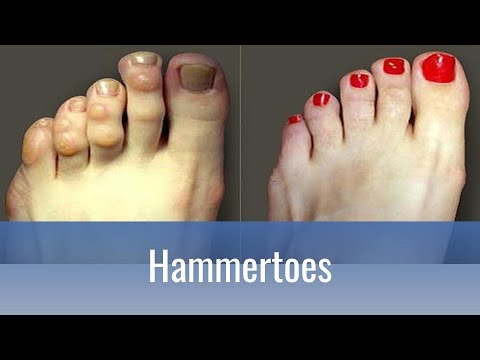
Hammertoe is a condition where one or more of the toes bend downward at the middle joint, resembling a hammer. It might look odd, but lots of people deal with this issue.
Causes of Hammertoe
The main cause is often a muscle imbalance. When muscles that control toe movement become unbalanced, they can pull on the toe in such a way that it bends in that awkward shape. You know, sometimes it’s related to wearing tight shoes or high heels. Long-term use of inappropriate footwear can strain the toes.
Other factors include arthritis, injuries to the toe, or even inherited foot structure. If your feet tend to roll inward when you walk, it can make hammertoes more likely.
Signs and Symptoms
You might notice pain or discomfort in the affected toe. It can also rub against your shoes causing blisters or calluses. Swelling around the joint is common too.
If left untreated, hammertoes may become stiff and harder to move over time. Just imagine trying to straighten a bent paperclip; it becomes quite difficult after some time!
Diagnosis
Diagnosing hammertoe usually involves a simple examination by a healthcare professional who might look at how you walk and observe your feet closely.
X-rays may be taken if they need to see exactly how your bones are arranged. This helps rule out other issues like fractures.
Caring for Hammertoe
- Shoe Choice: Wearing properly fitting shoes is crucial. Aim for ones with roomy toe boxes and supportive soles.
- Pads and Inserts: Special pads can cushion areas that experience friction from footwear. You might want to see if over-the-counter inserts offer any relief.
- Stretching Exercises: Doing simple stretches might help reduce tension on your toes. Think about curling and straightening them as an easy exercise routine!
- Surgery: In severe cases where other methods fail, surgical options exist to correct the bend in the toe.
Myths vs Realities
A common myth is that hammertoes only affect older adults; however, they can occur at any age! Also, some people think surgery is always necessary—but not everyone will need it; many find relief through conservative care methods instead.
Your Next Steps
If you’re experiencing symptoms, consider talking with someone experienced in foot health for proper advice tailored just for you! Remember: it’s all about finding comfort while taking care of those little things we often overlook—like our feet!
Simple Strategies to Alleviate Discomfort and Improve Mobility
Understanding Hammertoe
Hammertoe is a foot condition that affects the second, third, or fourth toes. It causes the toe to bend at the middle joint, which can create discomfort and even pain. You know how when a shoelace is too tight it starts to buckle? That’s similar to what happens with hammertoe. The toe gets stuck in a bent position.
Causes of Hammertoe
There are several reasons someone might develop hammertoe. Genetics plays a big role; if your family has it, you might too. Wearing ill-fitting shoes, especially those that are tight or narrow at the toes can also contribute to the condition.
Other factors include arthritis and muscle imbalances in the foot. Sometimes, high arches can lead to hammertoe because they affect how weight is distributed across your feet.
Diagnosing Hammertoe
Diagnosis usually involves a simple physical exam by an healthcare provider who will look at your toes while you’re standing or sitting. They might do some range-of-motion tests as well. Imaging tests like X-rays may be ordered if there’s suspicion of more serious issues.
Simple Strategies for Discomfort
- Shoe choice: Opt for shoes with enough room in the toe box so they don’t pinch your toes.
- Cushioning: Using soft pads or orthotic inserts can help relieve pressure on hammetoes.
- Stretching: Regular stretching exercises for your toes can improve flexibility and reduce discomfort over time.
- Icing: Applying ice packs after you’ve been on your feet for long periods may help reduce swelling and pain.
Improving Mobility
If you’re looking to enhance mobility despite having hammertoes, focus on gentle exercises that strengthen foot muscles. Simple movements like curling and stretching your toes while seated can make a difference. Think about this: moving each toe separately is like tuning an instrument; it helps everything work better together!
You might also want to practice walking barefoot at home on different surfaces—this strengthens muscles and improves balance.
Caring for Hammertoes
If discomfort continues, consider consulting with someone who knows feet well—like a podiatrist or an orthopedic surgeon who can offer advice tailored specifically for you. This isn’t a one-size-fits-all situation!
The key takeaway here is that while hammertoes may bring challenges, being proactive about shoe choices, stretching routines, and seeking professional guidance when needed can really help you manage discomfort and maintain mobility during daily activities.
Rediscover Comfort and Confidence with Every Step
Understanding Hammertoe: Causes, Diagnosis, and Care Options
Hammertoe is a foot condition that affects the second, third, or fourth toe. Instead of pointing straight, these toes bend downward at the middle joint, like a claw. You might have seen this in someone’s foot or even experienced it yourself. It can cause discomfort and make wearing shoes challenging.
What Causes Hammertoe?
There are several reasons why someone develops hammertoe. Genetics plays a big part. If your family has this issue, there’s a higher chance you might too. Another factor is footwear—tight or ill-fitting shoes can cramp your toes and lead to problems like hammertoe.
Additionally, muscle imbalances can contribute. Sometimes the muscles and tendons around the toe don’t work together properly. This could be due to things like arthritis or previous injuries as well.
How Is Hammertoe Diagnosed?
A simple exam by a healthcare provider usually does the trick for diagnosing hammertoe. They’ll look at your foot and ask about your symptoms—things like pain or difficulty in walking are important here.
X-rays may be ordered too but often aren’t needed immediately unless they suspect more severe issues with the bones. It’s pretty straightforward most of the time.
Caring for Hammertoe
If you have hammertoe, there are various care approaches out there to consider. One common method includes changing footwear to shoes that offer more room for your toes—think wider styles or those with soft materials.
- Orthotic devices: These can provide arch support and help in realigning toes a bit better.
- Shoe cushions: They add comfort when walking; reducing pressure on painful areas goes along way.
- Exercises: Stretching and strengthening exercises for your toes might assist too!
- Surgery: In severe cases where other options fail, surgery can be considered to correct the toe position.
A Few Things To Remember
Caring for hammertoe isn’t just about fixing what’s wrong; it also helps improve overall quality of life. It’s essential to listen to what your body tells you—if something doesn’t feel right, seeking help can make all the difference!
Your comfort counts! Whether you’re standing all day at work or enjoying time with loved ones, being aware of your feet really matters! Keeping them healthy allows you to live life fully without unnecessary pain holding you back.
Understanding Hammertoe: Causes, Diagnosis, and Care Options
Hammertoe is a commonly encountered foot deformity that can cause discomfort and affect mobility. It occurs when the second, third, or fourth toe bends at the middle joint, resembling a hammer shape. This not only looks unusual but can also lead to pain and difficulty in wearing shoes.
There are several causes of hammertoe. Often, it’s due to an imbalance in the muscles and tendons that control toe movement. Conditions such as arthritis or muscle weakness may contribute as well. Poorly fitting shoes, particularly those with pointed toes or high heels, can exacerbate this condition. This means your footwear plays a crucial role in prevention.
Diagnosis usually involves a physical examination by a healthcare professional. They might check the range of motion in your toes and look for signs of swelling or redness. Sometimes imaging tests like X-rays are done to assess bone structure and any underlying issues.
Care Options
The good news is there are several care options available for hammertoe. For mild cases, changing footwear to more comfortable options can make a huge difference—think wider toes boxes and supportive soles.
- Orthotic devices: Custom shoe inserts can help relieve pressure on affected toes.
- Stretching exercises: Simple stretches targeting the foot muscles might improve flexibility over time.
- Surgery: In more severe cases where other treatments have failed, surgical intervention may be necessary to correct the alignment of the toe.
It’s essential to address hammertoe early on before it leads to greater complications like corns or ulcers forming on the toe joints. If you’re experiencing foot pain or discomfort related to this condition, consulting with a healthcare provider can guide you toward effective treatment options tailored just for you.
This reflection has highlighted how important awareness of conditions like hammertoe is for maintaining foot health long-term. Remembering proper footwear choices is key—after all, our feet bear our weight every day!