The information provided in this article is intended solely for general informational and educational purposes. It does not constitute medical advice, diagnosis or professional treatment, and should not be considered a substitute for consultation with a qualified doctor or other licensed healthcare professional. Any health-related decisions should be made in consultation with accredited medical professionals.
While efforts have been made to ensure the information is accurate and up to date, no guarantees are given—either express or implied—regarding its accuracy, completeness, currency or suitability. Use of this information is at your own discretion.
It is strongly recommended to consult official sources such as the NHS (National Health Service) or other recognised medical institutions before acting on any information contained on this website or article. Under no circumstances should professional medical advice be ignored or delayed due to content read here.
This content is of a general and informational nature only. It is not intended to replace individualised guidance from a healthcare professional or to establish any doctor-patient relationship. The publication of this information does not imply any professional responsibility, guarantee or obligation on the part of the author or this site.
Understanding Dressler Syndrome: Causes, Diagnosis, and Care
Have you ever felt a sudden wave of discomfort after heart surgery? Or maybe you’ve heard someone mention a strange condition that seems to show up after a heart issue. That’s Dressler syndrome for you—a rare but interesting condition.
This syndrome occurs when your immune system reacts to injury in the heart, usually after surgery or a heart attack. You might wonder—why would the body respond like this? It’s all about your immune system trying to heal. But sometimes, it goes into overdrive.
In this article, we’ll dive into what exactly causes Dressler syndrome. We’ll talk about how it’s diagnosed and what care looks like for those affected. Understanding this can really make a difference if you’ve experienced heart issues or know someone who has.
Remember, though, while we’re here to provide information that can help you understand this condition better, it’s important to consult with healthcare professionals before making any health decisions. This content isn’t a replacement for medical advice.
Empowering Relief from Pain and Discomfort
Understanding Dressler Syndrome
Dressler syndrome is a condition that can occur after a heart attack or heart surgery. It’s kind of like your immune system overreacting to injury in the heart area. You know, it’s like when you get a cut, and sometimes it swells up more than you’d expect. In this case, the heart gets inflamed.
Causes
The exact cause of Dressler syndrome isn’t fully clear, but it seems to happen when the body’s defense system misfires. After the heart is damaged, proteins from the blood or even from dead cells can trigger inflammation. Essentially, your body goes into “fight mode” even though there’s no real threat.
Symptoms
People with Dressler syndrome might experience chest pain, fever, fatigue, and sometimes joint pain too. The chest pain can feel sharp or stabbing and usually gets worse when taking deep breaths or coughing. Imagine feeling really achy after a tough workout; that’s how uncomfortable it can be.
Diagnosis
Doctors diagnose Dressler syndrome by looking at your symptoms and medical history. They may order some tests like echocardiograms (which use sound waves to create images of your heart) or blood tests to check for inflammation markers. Think of these markers as little flags that indicate something’s off.
Treatment Options
Treating this syndrome often involves medications like nonsteroidal anti-inflammatory drugs (NSAIDs). These help reduce pain and inflammation in the body. It’s similar to taking aspirin for a headache—relief from discomfort! Sometimes steroids are used if symptoms are more severe.
Caring for Yourself
If you’re dealing with Dressler syndrome or think you might be experiencing it, rest is crucial. Listening to your body when it says “I need a break” can really make a difference in how you feel overall.
- Stay hydrated—drink plenty of water!
- Avoid heavy exercise until cleared by a healthcare professional.
- Keep track of your symptoms; write them down if it helps!
- Talk openly with your healthcare provider about what you’re feeling.
You know, navigating health conditions can be confusing and sometimes frustrating. It’s always okay to ask questions and seek out support from friends or family who can lend an ear or help out when needed.
The Bottom Line
Dressler syndrome may sound daunting but knowing its causes and treatments helps demystify it. By staying informed and proactive about your health care options, you’re setting yourself up for better management of any discomfort that arises!
Unraveling the Signs of Post-Heart Attack Inflammation
Understanding Post-Heart Attack Inflammation
After a heart attack, the body goes through a lot of changes. One of these changes can be inflammation. It’s your body’s way of healing, but sometimes it can go too far. Think of inflammation like an alarm bell; it signals that something needs attention. However, if that alarm keeps ringing even when the danger’s gone, that’s a problem.
What is Dressler Syndrome?
Dressler syndrome is a type of inflammation that can occur after a heart attack or heart surgery. It’s like the body’s immune response gets confused and starts attacking healthy tissue instead of just focusing on healing. This condition usually shows up weeks to months after the initial event.
- Symptoms: Common signs include chest pain, fever, and fatigue. Some people might even feel shortness of breath.
- Causess: The exact cause isn’t fully understood, but it’s thought to relate to the immune system reacting to heart damage.
- Risk Factors: Those who’ve had recent surgery or have underlying autoimmune conditions might be more at risk.
Diagnosing Dressler Syndrome
If you’re experiencing symptoms after a heart event, let your healthcare provider know. They might run tests like blood work or imaging studies. It’s kind of like solving a mystery: gathering clues helps determine if it’s Dressler syndrome or something else.
Treatment and Care
Treatment usually focuses on reducing inflammation and managing symptoms. Nonsteroidal anti-inflammatory drugs (NSAIDs) are often prescribed to ease pain and swelling. Sometimes corticosteroids are also used for more serious cases.
- Lifestyle Changes: Alongside medication, lifestyle choices play an important role. Eating well and staying active can support overall heart health.
- Regular Check-ups: Ongoing communication with your healthcare provider ensures proper monitoring and adjustment of treatment as needed.
The Importance of Awareness
This inflammatory response is something to keep in mind if you or someone you know has had a recent heart attack or surgery. Understanding Dressler syndrome can lead aid in quicker diagnosis and better care if those post-heart attack symptoms arise again.
If you’re uncertain about any symptoms you’re having after a heart event, don’t hesitate to reach out for help—better safe than sorry! Taking control means listening to your body and being proactive about your health journey.
Unraveling the Mysteries of Dressler Syndrome: Understanding Diagnosis and Symptoms
What is Dressler Syndrome?
Dressler Syndrome is a condition that arises after heart injury, usually following heart surgery or a heart attack. It’s kind of like your body’s way of reacting to the trauma. Imagine your heart is in a boxing match, and after the fight, it gets angry and inflamed.
Causes of Dressler Syndrome
The most common triggers are surgical procedures like bypass surgery or any significant heart damage. When your body feels it has been hurt, it sometimes flags down an inflammatory response. You know? It’s like sending out an alarm signal that leads to swelling around the heart.
Symptoms You Might Notice
- Pain in the chest: This can feel sharp or dull and may vary in intensity.
- Fever: A mild fever often pops up as your body reacts.
- Shortness of breath: Breathing may feel more labored than usual.
- Cough: A dry cough can occur alongside other symptoms.
If you happen to experience these symptoms weeks after a heart event, it’s essential to chat with a medical professional. They can help you figure out what’s going on.
The Diagnosis Process
Diagnosing Dressler Syndrome isn’t always straightforward. Doctors often use physical exams alongside different tests—like blood tests and imaging scans—to confirm inflammation around your heart.
Tests That May Be Conducted
- Echocardiogram: This ultrasound helps visualize your heart’s movement and any fluid buildup.
- X-rays: Chest x-rays can show if there’s excess fluid around the lungs or heart.
- Blook tests: Sometimes markers for inflammation are measured in blood tests to check for issues.
Your doctor will look at all this information, maybe even compare it with your history, to nail down whether you have Dressler Syndrome or something else entirely.
Treatment Options Available
Treating this syndrome usually involves managing inflammation. Non-steroidal anti-inflammatory drugs (NSAIDs) are commonly used to relieve pain and reduce swelling. It sounds easy enough, but they may have side effects—so be aware!
A Few Things To Consider
- Keeps track of how you’re feeling; communicating with healthcare providers about symptoms is key!
- If NSAIDs don’t work well for you, doctors might recommend other medications for relief.
- Your doctor might suggest lifestyle changes too—like diet adjustments—to support overall health!
Dressler syndrome isn’t typically life-threatening but dealing with its symptoms can be uncomfortable. Maintaining an open dialogue with healthcare professionals will help navigate treatment more smoothly—and hey, don’t hesitate to ask questions! Remember: it’s all about finding what best suits you when addressing this condition!
Understanding Dressler Syndrome: Causes, Diagnosis, and Care
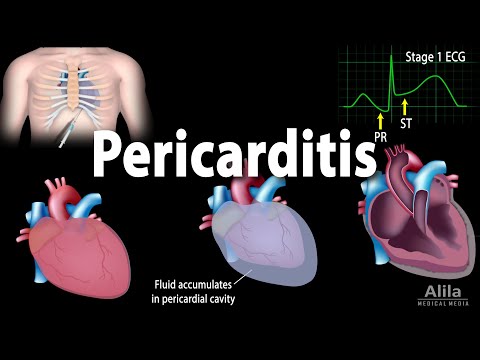
Dressler syndrome is a unique condition that occurs after a heart attack or heart surgery. It’s actually a type of autoimmune response, which means your immune system mistakenly attacks healthy tissues in your body. This can lead to inflammation around the heart and even the lungs.
The main causes of Dressler syndrome often relate to trauma to the heart. When damage occurs, the body may produce antibodies against its own cardiac tissues. Why does this happen? Well, it seems like the damaged tissue triggers an immune response that goes awry.
Diagnosing Dressler syndrome can be challenging because its symptoms mimic other conditions. Doctors typically look for signs like chest pain, fever, and a fast heartbeat. They may perform tests such as echocardiograms or blood tests to rule out other issues and confirm inflammation.
Caring for someone with Dressler syndrome usually involves anti-inflammatory medications like aspirin or corticosteroids. These help reduce inflammation and alleviate symptoms. Sometimes lifestyle changes, such as getting enough rest and managing stress levels can also play a big role in recovery.
Honestly, understanding this syndrome is vital because it’s not just about treating symptoms; it’s about recognizing how the body reacts after trauma. With proper care and monitoring, most patients can manage their symptoms effectively over time.