The information provided in this article is intended solely for general informational and educational purposes. It does not constitute medical advice, diagnosis or professional treatment, and should not be considered a substitute for consultation with a qualified doctor or other licensed healthcare professional. Any health-related decisions should be made in consultation with accredited medical professionals.
While efforts have been made to ensure the information is accurate and up to date, no guarantees are given—either express or implied—regarding its accuracy, completeness, currency or suitability. Use of this information is at your own discretion.
It is strongly recommended to consult official sources such as the NHS (National Health Service) or other recognised medical institutions before acting on any information contained on this website or article. Under no circumstances should professional medical advice be ignored or delayed due to content read here.
This content is of a general and informational nature only. It is not intended to replace individualised guidance from a healthcare professional or to establish any doctor-patient relationship. The publication of this information does not imply any professional responsibility, guarantee or obligation on the part of the author or this site.
Have you ever finished a swim and felt a nagging pain in your ear? You’re not alone. Many folks experience swimmer’s ear, a common condition that can turn that refreshing dip into a real discomfort. It’s something that can happen to anyone—kids, adults, even seasoned swimmers.
Swimmer’s ear, or otitis externa, is basically an infection of the outer ear canal. It often results from water trapping in your ear after swimming or showering. And while it may seem like just another minor annoyance, the truth is it can lead to pain and irritation that lasts longer than you’d hope.
This article dives into effective treatments for swimmer’s ear you should know about. From home remedies to over-the-counter solutions, we’ll cover options that might help ease your discomfort.
Just keep in mind, this info isn’t a substitute for professional medical advice. Making health decisions shouldn’t rely solely on what you read here; always check with a healthcare professional if you’re feeling unsure or if symptoms persist!
Finding the Right Solution to Alleviate Your Ear Pain
Understanding Ear Pain
Ear pain can be really uncomfortable, right? Sometimes it’s just a minor irritation, but other times it can signal something more serious. So what’s going on when you feel that throbbing or sharp sensation?
Often, ear pain comes from the ear canal, which can get inflamed or infected. A common culprit is swimmer’s ear, an infection caused by water stuck in the ear, leading to bacteria growth. That trapped water doesn’t help much either!
Swimmer’s Ear Explained
If you’ve ever had a day at the pool and ended up with that pesky feeling of fullness in your ears, you might know what I mean. Swimmer’s ear typically causes itchiness first, followed by pain which can worsen if untreated.
The medical term for swimmer’s ear is otitis externa. It mainly affects the outer part of your ear and is caused by moisture that allows bacteria to thrive.
Treatment Options
So how do we deal with this annoyance? Well, one option often involves keeping your ears dry and avoiding moisture during the healing process.
- Over-the-counter pain relievers: Medications like ibuprofen or acetaminophen can help manage the discomfort.
- Ear drops: There are specific drops available that may contain antibiotics or acidic solutions to combat infection. How cool is that?
- Keeps things dry: Using earplugs while swimming or showering helps keep water out!
- Avoid cotton swabs: It feels good to clean your ears but using swabs can push wax further in instead of cleaning it out.
When to Seek Help
If home remedies don’t seem enough after a few days, talking to someone who knows about this stuff might be wise. Warning signs like fever or drainage from the ear could mean it’s time for professional help.
A Few Popular Myths
You might have heard some myths about treating swimmer’s ear. One common belief is that over-the-counter meds alone will solve everything immediately. But honestly, that’s not always the case! Each person’s situation varies so much.
- Popping your ears won’t clear infections: It feels satisfying but often doesn’t help treat an infection properly.
- Pain means severity: Just because you’re feeling severe pain doesn’t automatically mean there’s a major issue; sometimes it’s just playful bacteria!
Your Health Matters
Taking care of our ears is essential since they play a significant role in our daily lives—hearing well matters! If you’re facing persistent issues or discomforts like these underlying problems don’t take them lightly.
The key takeaway? Be attentive to symptoms, consider treatment options carefully and reach out if things aren’t getting better soon enough!
Relief and Remedies for a Common Ear Condition
Understanding Swimmer’s Ear
Swimmer’s ear is an infection in the outer ear canal. You know, that part of your ear that goes from the outside to your eardrum? It’s often caused by water that stays in your ear after swimming or bathing. This creates a moist environment where bacteria can thrive.
Signs and Symptoms
You might notice some itching or redness in your ear. Sometimes, there’s pain that gets worse when you pull on your earlobe. If there’s fluid leaking out, it can be a sign of swimmer’s ear too. And honestly, if you feel any pressure or blockage, that might be an indication too.
Your First Step: Keep it Dry
The first thing to do is try to keep your ears dry. After swimming or showering, gently wipe your ears with a towel. You could also lean to one side and hop on one foot like kids do sometimes; it can help the water drain out!
Over-the-Counter Solutions
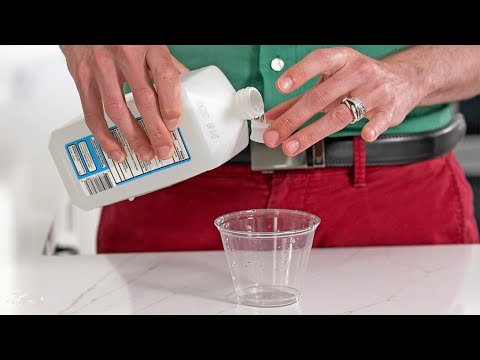
There are over-the-counter drops designed for drying out excess moisture in the ears. These often contain isopropyl alcohol which helps evaporate water quickly. Just be careful not to use these if you have any cuts or injuries in your ear.
Pain Relief Methods
If you’re feeling discomfort, pain relievers like ibuprofen or acetaminophen might help ease it a bit. They can reduce inflammation as well as provide some relief from pain.
When to Seek Help
If symptoms don’t improve in a few days or worsen, it’s probably time to see somebody who knows their stuff about ears! A healthcare provider can evaluate and may prescribe antibiotic drops if there’s an infection present.
Home Remedies: What Works?
- Warm Compress: Applying a warm compress outside of the ear may help reduce discomfort; warmth soothes inflammation pretty well.
- Hydrogen Peroxide: Some people use hydrogen peroxide diluted with water for cleaning their ears gently—but always talk things over with someone before trying this at home!
- Coconut Oil: This natural oil has mild antibacterial properties; putting a drop in the ear might assist when done cautiously and sparingly.
Avoiding Recurrence
If you’ve had swimmer’s ear before, making small changes can help prevent future issues. Try using custom-fitted earplugs when swimming—it sounds fancy but they’re often not expensive! Also consider drying your ears right after exposure to water.
A Few Last Thoughts
This common condition can usually clear up with proper care and attention. Knowing what you’re dealing with empowers you! Remember though, if anything feels off—it’s totally okay to reach out for professional advice!
Simple Remedies to Soothe Ear Discomfort Quickly
Understanding Ear Discomfort
Ear discomfort can be quite bothersome, right? Sometimes it’s just that tickle or itch, and other times it feels more intense. One common cause is swimmer’s ear, which is an infection in the outer ear canal. Water exposure, especially in warm conditions, can lead to this condition.
What’s Swimmer’s Ear?
Swimmer’s ear happens when water stays trapped in the ear canal, giving bacteria a chance to grow. Think of it like leaving a soggy sponge out; it becomes a perfect place for those pesky germs. This can lead to pain, itching, and sometimes even some gooey discharge.
Simple Remedies to Soothe Discomfort
- Warm Compress: Applying a warm cloth against your ear can feel really nice. It helps ease the pain by promoting blood flow.
- Diluted Vinegar: Mixing equal parts white vinegar and water may help balance ear pH. Use a dropper for application – just a few drops will do!
- Hydrogen Peroxide: A diluted solution (usually 3%) works as an antiseptic. Just a couple of drops might help clear up any debris or bacteria.
- Irritating Oils: Some folks find relief using olive oil or mineral oil; they act as lubricants and may soothe irritation.
- Keeps Ears Dry: Avoiding water exposure is key! If you’re swimming, wearing swim caps or earplugs might be handy.
A Few Precautions
You know, while these remedies can be helpful, if discomfort persists or worsens—it’s always best to consult with someone qualified. Sometimes what seems minor might need professional attention.
You’re Not Alone
If you find yourself frequently battling swimmer’s ear or similar issues, remember many people deal with this too! Keeping ears dry during activities and practicing good hygiene can really make a difference.
Keep It Clean
Mild soap and water are useful for cleaning the outer areas of your ears but steer clear of cotton swabs inside! They push wax further down; they can cause more blockage rather than helping.
A Word on Hearing Loss
Persistent discomfort or infections could potentially affect hearing over time. If one notices any changes in hearing abilities after experiencing symptoms—watch out! Speak with someone who knows about these things sooner rather than later.
The Bottom Line
Taking care of your ears shouldn’t be complicated. Simple home remedies often work like magic for mild discomfort. Just remember to listen to your body—it’s good at communicating what it needs!
Swimmer’s ear, known medically as otitis externa, is an outer ear canal infection that can be both painful and annoying. It often occurs when water gets trapped in the ear, creating a moist environment for bacteria to thrive. Recognizing effective treatments for this condition is crucial for both prevention and recovery.
One of the most common approaches involves using antibiotic ear drops. These drops help eliminate the bacteria causing the infection. It’s important to follow a healthcare professional’s guidance when using them, as misuse can lead to antibiotic resistance.
In addition to antibiotics, pain relief is often necessary. Over-the-counter pain relievers like ibuprofen or acetaminophen can help ease discomfort associated with swimmer’s ear. It’s really about managing those symptoms while addressing the underlying cause.
- Avoiding water exposure is also key during recovery.
- For some folks, a warm compress can provide relief too.
It’s interesting how prevention plays a big role here. Wearing earplugs while swimming or keeping ears dry after baths and showers can significantly reduce chances of developing swimmer’s ear in the first place.
Education on proper ear care is essential in community awareness efforts. Many people may not understand that chronic moisture exposure increases risks for infections like swimmer’s ear.
In conclusion, recognizing and treating swimmer’s ear involves a multifaceted approach—combining medical treatment with practical preventative measures ensures better health outcomes for individuals prone to this condition.