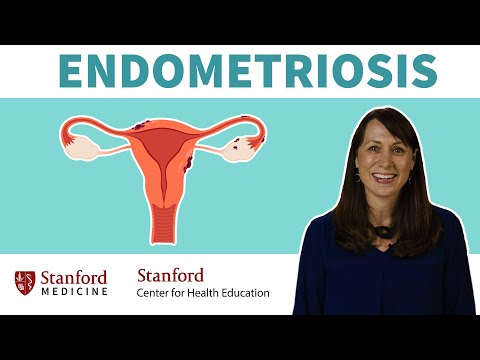
Endometriomas, often dubbed “chocolate cysts,” are a fascinating yet complex issue that many women face. These cysts form when endometrial tissue—normally found inside the uterus—grows on the ovaries. This condition can lead to discomfort and even fertility challenges. Understanding endometriomas is crucial for those affected, as not only does it shed light on their health, but it also opens doors to various treatment options and future possibilities.
In exploring treatment options, you’ll find a mix of medical and surgical approaches tailored to each individual’s needs. Some may benefit from hormone therapy, while others might consider surgery to remove these cysts. Regardless of the route taken, it’s essential to know that ongoing research is paving the way for improved management strategies and support.
However, it’s important to approach this topic with caution. Endometriosis can be misunderstood or misdiagnosed, leading to unnecessary anxiety or improper treatment. Information can vary widely between sources and specialists. Always seek advice from various healthcare professionals and consult trustworthy resources before making decisions about your health. Curiosity drives understanding; don’t hesitate to dig deeper!
The information provided in this article is intended solely for general informational and educational purposes. It does not constitute medical advice, diagnosis or professional treatment, and should not be considered a substitute for consultation with a qualified doctor or other licensed healthcare professional. Any health-related decisions should be made in consultation with accredited medical professionals.
While efforts have been made to ensure the information is accurate and up to date, no guarantees are given—either express or implied—regarding its accuracy, completeness, currency or suitability. Use of this information is at your own discretion.
It is strongly recommended to consult official sources such as the NHS (National Health Service) or other recognised medical institutions before acting on any information contained on this website or article. Under no circumstances should professional medical advice be ignored or delayed due to content read here.
This content is of a general and informational nature only. It is not intended to replace individualised guidance from a healthcare professional or to establish any doctor-patient relationship. The publication of this information does not imply any professional responsibility, guarantee or obligation on the part of the author or this site.
Exploring Your Options for Effective Relief and Healing
Endometriomas are a type of cyst that forms on the ovaries. They are linked to endometriosis, a condition where tissue similar to the lining inside the uterus grows outside of it. Though they can be painful, many people have them without realizing. If you’re dealing with endometriomas, it’s important to explore your options for relief and healing.
Understanding Your Symptoms
Many individuals with endometriomas experience pelvic pain, especially during menstruation. Other symptoms may include pain during intercourse or infertility. Keeping track of your symptoms can help guide discussions with healthcare providers.
Diagnosis
Typically, doctors use ultrasounds or MRIs to confirm the presence of endometriomas. These imaging techniques help visualize the cysts and assess their size and type. A proper diagnosis is key to determining an effective treatment plan.
Treatment Options
There are several ways to approach treatment:
Lifestyle Changes
Incorporating healthy habits can also play a role in managing symptoms:
The Future Outlook
Research is ongoing into better treatments for endometriosis and its associated conditions like endometriomas. New approaches may offer hope for more effective management options down the line.
It’s essential to stay informed about your health choices as you navigate your journey with endometriomas. Engaging in open conversations with healthcare providers will ensure you make informed decisions tailored to your needs.
Remember, you’re not alone in this journey, and resources are available for support!
Unlocking Advances: The Latest Innovations in Endometriosis Treatment
Endometriosis is a complex and often painful condition where tissue similar to the lining inside the uterus grows outside it. This can lead to inflammation, scar tissue, and even cysts known as endometriomas.
Researchers are constantly looking for new ways to treat endometriosis and improve the quality of life for those affected. Some recent innovations offer hope.
Hormonal treatments have long been a mainstay in managing symptoms. New combinations and formulations are emerging. These can help reduce pain without interfering much with daily life.
Minimally invasive surgeries have also seen advancements. Techniques like laparoscopy allow doctors to remove endometriotic tissue using tiny incisions. Recovery time is usually shorter than with traditional surgery.
Another exciting area is biologic therapies. These medications target specific pathways involved in inflammation and pain signaling. This could mean more effective management with fewer side effects compared to older treatments.
Additionally, disease-modifying agents are being explored. These aim not only to relieve symptoms but also address the root causes of endometriosis. Think of it like treating not just the symptoms of a cold but strengthening your immune system against future colds.
There’s also a focus on shared decision-making between patients and healthcare providers. Understanding each person’s unique situation can lead to tailored treatment plans that fit individual needs better.
As we look ahead, education about endometriosis continues to grow. More awareness can lead to better diagnoses, earlier treatment, and ultimately improved care for all who endure this condition.
It’s essential to keep an open dialogue with medical professionals about what options may work best for you or someone you know dealing with endometriosis. Each person’s journey is unique, and evolving treatment strategies reflect that diversity in experiences and needs.
The Hidden Risks and Complications You Need to Know
Endometriomas are fluid-filled cysts that develop in the ovaries due to endometriosis. They can be a source of discomfort and pose various risks. Understanding these hidden complications is crucial for informed decisions about your health.
One major risk is pain. Endometriomas can cause chronic pelvic pain, which may vary in intensity. This persistent discomfort can significantly affect daily life, including work and relationships.
While surgery is a common treatment option, it carries its own set of risks too. Surgical removal might lead to complications such as infection or further scarring. It’s important to weigh these factors carefully.
Future health impacts are also a consideration. Some studies suggest that having endometriomas may increase the likelihood of developing certain conditions later in life, like ovarian cancer. However, more research is needed in this area.
Speaking with a healthcare provider will help clarify your specific risks and treatment options based on personal health history and circumstances. Remember that each individual’s experience with endometriomas varies widely.
Educating yourself on these topics empowers you to make better choices about your body and overall health. Always seek reliable information and ask questions during medical consultations to ensure you fully understand your situation.
Endometriomas, often referred to as “chocolate cysts,” are a type of ovarian cyst associated with endometriosis. They form when endometrial tissue grows on the ovaries, leading to cyst formation filled with dark fluid. Understanding this condition involves recognizing its symptoms, diagnosis, and treatment options.
Treatment typically includes medications for pain relief, hormonal therapies to manage the growth of endometrial tissue, and possibly surgery to remove large cysts or affected ovarian tissue. The choice of treatment depends on factors like the size of the cyst, severity of symptoms, and whether the individual is trying to conceive.
The future outlook for individuals with endometriomas is hopeful. Ongoing research aims at better understanding the underlying mechanisms of endometriosis, which may lead to more effective treatments. Emerging therapies and less invasive surgical techniques promise improved quality of life for many.
In discussing endometriomas, it’s crucial to encourage awareness and foster open conversations among individuals experiencing symptoms. This empowers them to seek help promptly and make informed decisions about their health. Knowledge is a vital tool in managing this complex condition effectively.