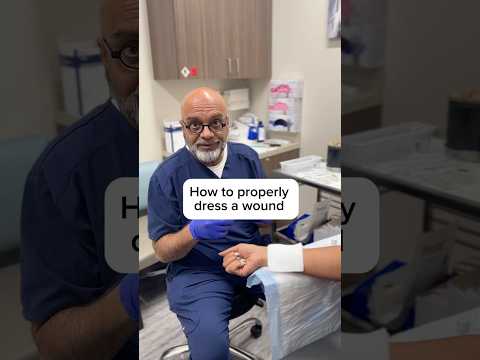
The information provided in this article is intended solely for general informational and educational purposes. It does not constitute medical advice, diagnosis or professional treatment, and should not be considered a substitute for consultation with a qualified doctor or other licensed healthcare professional. Any health-related decisions should be made in consultation with accredited medical professionals.
While efforts have been made to ensure the information is accurate and up to date, no guarantees are given—either express or implied—regarding its accuracy, completeness, currency or suitability. Use of this information is at your own discretion.
It is strongly recommended to consult official sources such as the NHS (National Health Service) or other recognised medical institutions before acting on any information contained on this website or article. Under no circumstances should professional medical advice be ignored or delayed due to content read here.
This content is of a general and informational nature only. It is not intended to replace individualised guidance from a healthcare professional or to establish any doctor-patient relationship. The publication of this information does not imply any professional responsibility, guarantee or obligation on the part of the author or this site.
Have you ever thought about how much care goes into a simple bandage? It’s easy to overlook, but the way we handle surgical bandages can make a big difference in the healing process. Imagine you’ve just had surgery; that little piece of fabric is actually part of your recovery journey!
Good bandage care isn’t just about looks. It’s crucial for preventing infection and ensuring your wound heals properly. Think of it like watering a plant; if you do it right, it flourishes, but neglect it, and things can go south pretty fast.
This article will guide you through essential steps for proper surgical bandage care. We’ll dive into practical tips that are simple to follow and explain why they matter. Knowledge is power when it comes to health, right?
Remember, though, this content isn’t a substitute for professional medical advice. Health decisions shouldn’t be made solely based on what you read here. Always consult your healthcare provider for guidance tailored to your situation.
Essential Guidelines for Post-Surgery Care to Keep You Comfortable and Healing
Hey, so you’ve just had surgery. It’s a big deal, and recovery is super important. One of the key things to consider during this time is how you care for your surgical bandage. Bandages play a vital role in protecting your wounds and helping heal them. Let’s talk about some essential steps for proper bandage care.
Keep it Clean
First off, cleanliness is key. Make sure to wash your hands before you touch your bandage or the area around it. Think of your hands like the first line of defense against germs—like washing away dirt before handling food.
If your doctor has given specific instructions on how to clean the area, make sure to follow them closely. Sometimes, gentle soap and water are enough; other times, an antiseptic might be recommended—just depends on the situation.
Monitor for Signs of Infection
You’re going to want to keep an eye out for anything unusual. Look for redness, swelling, or unusual drainage coming from the wound area. It’s like keeping watch over a garden; if something doesn’t look right with one plant, it could be a sign something’s wrong.
If you notice increasing pain or warmth around the bandage or any feverish symptoms, give your healthcare provider a call right away!
Changing the Bandage
Another important thing is knowing when and how to change the bandage properly. Depending on your surgery type, you may need to change it every few days or whenever it gets wet or dirty.
- Carefully remove the old bandage by peeling it back gently—avoid yanking!
- If there’s any stuck residue on your skin from tape, using warm water can help loosen it up.
- Place a clean dressing over the wound without touching its underside.
- Secure it snugly but not too tight; comfort matters here!
Pain Management
Pain after surgery is normal; however managing that pain aids recovery too! If you’ve been prescribed medication, take it as directed but also pay attention to how much you’re feeling comfortable with—and don’t hesitate to ask questions about any side effects!
Avoid Moisture and Friction
Your surgical site needs special attention during healing time—it doesn’t like moisture and friction! When showering or bathing—unless told otherwise by your healthcare provider—covering that area with plastic wrap can help keep water out.
Avoid tight clothes that might rub against your bandage; think comfy loungewear instead—much gentler on healing skin!
Taking It Easy
This might be tricky but resting is actually crucial! Your body needs energy to heal like recharging a battery before using that device again. So don’t rush back into normal activities too soon—it may prolong recovery time.
The Wrap-Up (Not Really)
Caring for surgical bandages isn’t just about following guidelines; it’s like being part of a team working toward healing! You’re doing everything in partnership with medical professionals who want nothing more than positive outcomes for you—and being proactive in caring for yourself sets up a good foundation.
If you’re ever unsure or have concerns while recovering at home, don’t hesitate reaching out for guidance—it’s better safe than sorry!
Essential Tips for Smooth Recovery and Healing
Recovering from surgery can feel overwhelming, but taking proper care of your surgical bandage is a key part of the healing process. When done right, it can help minimize discomfort and decrease the risk of infection.
Keep It Clean
A clean environment is vital. Wash your hands thoroughly before touching your bandage. Think about it like washing your dishes—if they’re not clean, you might end up with problems later on.
If your doctor says it’s okay, use mild soap and water to clean around the bandage when changing it. Just avoid scrubbing too hard; we want to be gentle here.
Change Bandages Regularly
Your surgeon will likely give you specific instructions on when to change the bandage. It’s important to stick to those guidelines. If the bandage gets wet or dirty, replace it even sooner.
Sometimes, fresh air can help too—so if you get the green light from your doctor, let that wound breathe for a little bit!
Watch for Signs of Infection
Your body is working hard to heal. Keep an eye out for any signs of trouble like increased redness, swelling or pain around the bandage. A warm sensation could also be a sign something’s not right.
If you notice any unusual changes, don’t hesitate to reach out to a healthcare professional. Better safe than sorry!
Follow Doctor’s Orders
This one might seem obvious but sticking to post-operative instructions is crucial—things like taking prescribed medications and attending follow-up appointments are really important for recovery.
Your surgeon knows how this process works best! Following their advice helps ensure everything goes smoothly.
Rest is Key
Your body needs time and energy to focus on healing. Try not to push yourself too hard during recovery—your couch will be pretty good company!
I mean, sometimes just laying low really allows your body do what it needs without added stress.
Caring for Your Surgical Bandage: Why It’s Important
- Prevent Infection: Proper care reduces chances of germs getting in through cuts or wounds.
- Aid Healing: Keeping wounds dry and clean helps them heal faster; think about it as keeping a plant watered without drowning it!
- Comfort: Keeping things tidy ensures less irritation and discomfort during recovery periods.
Nobody likes feeling uncomfortable! Simple practices make a difference in smooth sailing toward recovery.
Coping with Discomfort
If you’re feeling anxious about managing pain after surgery, talk openly with your healthcare team about ways to cope better while healing.
It’s okay if some days feel tougher than others; sharing feelings can often lighten the load!
The thing here is that every person’s experience varies; kindness towards yourself goes a long way during recovery!
Essential Guidelines for Caring for Your Stitches After Surgery
Understanding Stitches After Surgery
Hey, so after you’ve had surgery, you might have stitches. These are used to hold your skin together as it heals. Proper care of these stitches is really important for recovery.
Why Caring for Stitches Matters
When you take care of your stitches, you’re helping prevent infections. An infection could slow down recovery or even lead to complications. You know? It’s like watering a plant; if you neglect it, the plant won’t thrive.
Keeping the Area Clean
One of the first things to remember is cleanliness. You typically want to clean around your stitches with mild soap and water daily. Just gently pat it dry after washing; don’t rub or scrub hard—doing that might irritate your stitches.
Bandage Changes
If your doctor has put a bandage on your stitches, check it regularly. If it’s wet or dirty, change it as they advised. Always make sure to wash your hands before touching the area. It sounds simple but makes a big difference.
Avoiding Moisture
If possible, try to keep the area around the stitches dry. Exposure to excessive moisture can weaken them and create an environment for bacteria. So that means being cautious during showers—you can cover the area with plastic wrap if needed.
Pain Management
You might feel some discomfort around where the stitches are located—it’s pretty normal! Over-the-counter pain relievers can help with this sort of pain, but always follow what your healthcare provider recommends about meds.
Watch for Signs of Trouble
If you notice redness, swelling, or unusual discharge from your stitches, don’t hesitate to reach out to a healthcare professional. These might be signs of an infection or other issues needing attention.
Avoiding Strenuous Activity
After surgery, it’s wise to avoid heavy lifting and vigorous exercise while you’re healing up. Think about giving yourself time—trying too much too soon can strain those freshly stitched areas and lead to problems.
Your Role in Recovery
Your part in caring for these stitches can’t be overstated! Follow all post-surgery instructions from healthcare providers closely and ask questions if you’re unsure about anything.
Coping with Anxiety
Surgery can be stressful; it’s totally okay to feel anxious afterward too! Talking about any worries you have regarding recovering could ease some of that tension—you’re not alone in this experience!
Your Next Steps
- Make sure you’re cleaning & changing bandages as needed.
- Treat any signs of infection seriously & seek help quickly!
- Avoid activities that may stress those areas until fully healed.
- Email or call if you’re confused or worried—communication is key!
Caring for your stitches after surgery is all about common sense wrapped up in cations—and who knew recovery involve thoughtfulness too?
Proper surgical bandage care is crucial for healing and preventing complications. A bandage serves not just as a protective layer but also plays a role in maintaining moisture, regulating temperature, and supporting the wound.
The first essential step is to keep the bandage clean. This means washing hands before touching it. It’s like preparing food; hygiene is key. If dirt gets into the wound, it can cause infection.
Next, you need to monitor the bandage regularly. Check for signs of bleeding or drainage. If the bandage becomes soaked, it’s time for a change. Just think of it as changing your clothes when they get dirty—comfort and cleanliness matter.
If any adhesive part starts to irritate the skin, consider repositioning the bandage or using gauze instead of tape directly on skin. Skin irritation can make recovery uncomfortable.
Lastly, always follow your healthcare provider’s instructions regarding how long to keep a bandage on and when to change it. It’s like following a recipe: each step matters for achieving the best outcome.
Overall, good surgical bandage care supports recovery and minimizes risks. Keeping things clean, dry and comfortable leads to better healing experiences.