The information provided in this article is intended solely for general informational and educational purposes. It does not constitute medical advice, diagnosis or professional treatment, and should not be considered a substitute for consultation with a qualified doctor or other licensed healthcare professional. Any health-related decisions should be made in consultation with accredited medical professionals.
While efforts have been made to ensure the information is accurate and up to date, no guarantees are given—either express or implied—regarding its accuracy, completeness, currency or suitability. Use of this information is at your own discretion.
It is strongly recommended to consult official sources such as the NHS (National Health Service) or other recognised medical institutions before acting on any information contained on this website or article. Under no circumstances should professional medical advice be ignored or delayed due to content read here.
This content is of a general and informational nature only. It is not intended to replace individualised guidance from a healthcare professional or to establish any doctor-patient relationship. The publication of this information does not imply any professional responsibility, guarantee or obligation on the part of the author or this site.
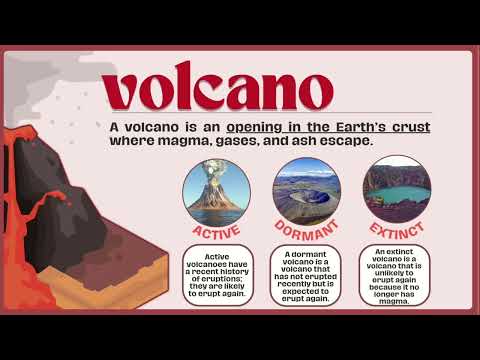
Have you ever thought about how ash from a volcanic eruption can affect your health? It’s more than just a dramatic sight; it can pose real risks. Imagine waking up to a blanket of gray, realizing the air isn’t safe to breathe. Seriously, it’s something many people don’t think about.
Eruptions can bring challenges, and protecting your health is crucial during these times. This article will cover essential tips that everyone should know: what to watch for, how to prepare, and simple ways to stay safe. You might wonder if these situations are rare or not. Well, they happen more often than we think in certain parts of the world.
The thing is, understanding how eruptions impact our health helps us feel empowered rather than overwhelmed. It’s about taking practical steps so you can navigate those tough moments with more confidence.
Just remember, while this information aims to guide you through potential health concerns during eruptions, it’s important not to make any health decisions based solely on this article. Always consult a healthcare professional for personalized advice.
Navigating Safety and Recovery in the Aftermath of Nature’s Fury
Navigating Safety and Recovery After Nature’s Fury
When nature shows its wild side, like during eruptions or earthquakes, the immediate concern is often safety. But what happens after? That’s critical too! Let’s talk about health considerations in the aftermath, shall we?
Understanding Exposure Risks
After events like volcanic eruptions, air quality can plummet. Ash and gases fill the air. Breathing in these particles can seriously mess with your lungs. Think of it like walking through a dusty room; it’s uncomfortable and not good for you.
If you’re outside during an eruption, cover your nose with a cloth or wear a mask if possible. It might look silly, but your lungs will thank you later.
Staying Hydrated is Key
During and after natural disasters, clean water becomes scarce sometimes. Dehydration sneaks up on you! You might not realize it right away. Try to keep drinking water even if you don’t feel thirsty.
Always have some bottled water stocked up — just in case!
Wound Care Matters
If you get injured while navigating through debris or ash, clean that wound properly. A dirty wound can lead to infections, which makes recovery harder than it needs to be.
- Use soap and clean water—if available—before applying any bandage.
- If it’s serious, seek medical help soon.
Mental Health Matters Too
Taking time to talk with friends or family about what happened can really help lighten the load on your mind.
Please Be Mindful of Energy Levels
Your body has been through a lot! Recovery takes time; don’t expect to bounce back instantly. Give yourself permission to rest when needed without feeling guilty—everybody needs downtime sometimes!
Caring for Your Community
After nature’s fury passes, check on neighbors too! Sometimes they might need support more than you think. Sharing resources helps rebuild trust and community bonds in times of need.
- You could organize small gatherings for updates!
- A little effort goes a long way toward healing together.
The Bottom Line
Navigating safety in the aftermath of nature’s fury isn’t easy—it’s challenging on many levels. Protecting your health involves being aware of environmental hazards and taking care of each other emotionally too. Recovery is a journey that’s best taken together because we all have our own strengths to share.
Stay Safe and Informed: Essential Steps to Take When a Volcano Erupts
Volcanic eruptions can be really scary. They bring ash, gases, and lava. Knowing how to protect yourself is super important. Let’s break down some essential steps you should take to stay safe and informed.
Stay Informed
First off, keep an eye on local news and weather reports. When a volcano becomes active, authorities will provide updates on what to do. Also, don’t forget about social media! Many agencies use it to share immediate information.
Prepare Your Home
If you live near a volcano, think about getting an emergency kit ready. This kit should have essentials like food, water, first-aid supplies, and flashlights. Sometimes the power goes out after an eruption.
You might also want to seal windows and doors with wet towels or duct tape during an eruption to keep ash from coming in.
Protect Your Lungs
The ash from a volcano can be harmful when inhaled—it’s really dusty! Wearing a mask can help filter out those tiny particles that might irritate your lungs. If you don’t have a mask handy, covering your nose and mouth with a damp cloth can work too.
Avoid Ash Fallout
If you’re outdoors during or after an eruption, try not to stay out for too long. The ash can cause skin irritation as well as respiratory problems. It’s better to move indoors if possible until it settles down.
Stay Hydrated
This one might seem basic but it’s essential: drink plenty of water! Keeping hydrated helps your body cope with stress from the ash and heat often present during eruptions.
Watch for Signs of Eruption
Look out for warning signs like earthquakes or increased gas emissions from the volcano itself. Educate yourself on what these signs are so you can act quickly if needed.
Mental Health Matters
Eruptions are not only physically challenging; they can also take a toll on mental health. Stay connected with friends and family for support during stressful times—talking helps!
Emergency Evacuation Plans
Have a plan in place if evacuation becomes necessary. Know multiple routes away from your home in case of roadblocks or other hazards caused by an eruption.
- Avoid driving through heavy ash; it could damage your vehicle.
- If you’re instructed to evacuate, don’t hesitate—leave quickly!
- Shelters may be available; check ahead of time where they are located.
Your health is everything in situations like this! By staying informed and taking proactive measures, you reduce risks associated with volcanic eruptions. Keep these steps in mind so you’re always ready!
Essential Guidelines for Staying Safe When Volcanoes Erupt
Understanding Volcano Eruptions and Health Safety
Volcanoes are powerful forces of nature. When they erupt, they can release ash, gas, and lava, impacting both the environment and our health. It’s crucial to know how to stay safe during these events.
Stay Informed
The first step is keeping track of local news and alerts. Authorities often provide updates about volcanic activity, so tune in regularly. You might think “I don’t need to watch this,” but having accurate information can help you make better decisions.
Create an Emergency Plan
Having a plan can really save lives. Make sure your family knows what to do if an eruption occurs. Identify safe spots in your home where ash won’t accumulate much and establish routes to evacuation centers.
Protect Your Lungs
Ash from volcanoes is tiny but dangerous when inhaled—imagine tiny shards of glass getting into your lungs! To protect yourselves, use masks or even a piece of cloth over your nose and mouth if a mask isn’t available.
Coping with Ash Fall
If ash starts falling, it’s like a rainy day—but not the good kind! Keep windows closed to prevent it from getting inside. Use damp cloths or towels near doors and windows as extra protection against that pesky dust.
- Wear goggles if you’re going outside; ash irritates the eyes easily.
- Avoid driving unless absolutely necessary; visibility can be really poor.
- If you have respiratory issues, stay indoors as much as possible.
Water Safety
You might wonder about drinking water during eruptions. Ash can contaminate local water supplies. Boiling water is always a good idea before drinking it after an eruption—or drink bottled water if you have access.
Food Safety Precautions
Ashfall can also affect food supplies. Protect food by keeping it covered or stored inside containers—prevents contamination! If you’re unsure about food safety after an eruption, trust your instincts: when in doubt, throw it out!
Mental Health Matters
The stress from living near an active volcano can be overwhelming for many people. It’s alright to feel anxious or uneasy; simply talking about those feelings with friends or family might help!
This isn’t just about physical safety; don’t forget your mental well-being too whenever disaster strikes!
The Importance of Community Support
Community matters—you’re not alone in facing these challenges! Connect with neighbors for support and share experiences; working together usually makes things easier during tough times like volcanic eruptions.
Final Thoughts on Preparedness
You may think that volcanoes are far from everyday life until something unexpected happens. Staying prepared is key! Whether through gathering supplies or collaborating with others around you—every little bit helps create stronger communities during eruptions!
Living near an active volcano can be thrilling, but it also poses unique health risks during eruptions. Protecting your health in such situations requires awareness and preparedness.
First off, the air quality can degrade quickly during volcanic activity. Ash and gases released into the atmosphere can lead to respiratory issues. It’s crucial to wear masks if you’re outdoors and to keep windows shut to limit exposure.
The ashfall itself can be hazardous. It’s not just annoying; it can cause skin irritations and damage your eyes. Wearing long sleeves, gloves, and protective eyewear helps to guard against these effects.
Staying informed is key. Local authorities usually provide updates on threats level and safety measures. Make sure you have a reliable source for information—this might be a community group or official news channels.
You know, planning ahead for an evacuation is also important. Assemble an emergency kit with essentials like water, food, medications, and important documents. This way, if you need to leave quickly, you’re prepared.
Finally, mental health matters too. Experiencing natural disasters or their aftermath can be stressful or traumatic for individuals of all ages. Don’t hesitate to reach out for support from friends or professionals if you feel overwhelmed.
In short, being proactive about your health during volcanic eruptions makes a huge difference in how well you cope with the situation.