The information provided in this article is intended solely for general informational and educational purposes. It does not constitute medical advice, diagnosis or professional treatment, and should not be considered a substitute for consultation with a qualified doctor or other licensed healthcare professional. Any health-related decisions should be made in consultation with accredited medical professionals.
While efforts have been made to ensure the information is accurate and up to date, no guarantees are given—either express or implied—regarding its accuracy, completeness, currency or suitability. Use of this information is at your own discretion.
It is strongly recommended to consult official sources such as the NHS (National Health Service) or other recognised medical institutions before acting on any information contained on this website or article. Under no circumstances should professional medical advice be ignored or delayed due to content read here.
This content is of a general and informational nature only. It is not intended to replace individualised guidance from a healthcare professional or to establish any doctor-patient relationship. The publication of this information does not imply any professional responsibility, guarantee or obligation on the part of the author or this site.
Have you ever found yourself in an intense moment, like seeing someone suddenly collapse, and wondered what to do? It’s a scary situation, and your heart races. Most of us know that CPR can be lifesaving, but what happens if the chest doesn’t rise? It’s a common worry. The thing is, knowing how to react can make all the difference.
This article dives into those critical moments when you perform CPR and struggle with chest rise. We’ll explore essential steps you can take to ensure you’re providing effective compressions and breaths. You might even discover some simple adjustments that could help—no need for advanced medical training here.
The more informed you are about these situations, the more confident you’ll feel if they arise. Remember though; this content isn’t a substitute for professional medical advice. Always consult a healthcare professional for specific health decisions. Understanding life-saving techniques is empowering, and it might just prepare you for emergencies that require immediate action.
Master the Life-Saving Techniques Everyone Should Know
What To Do When Chest Doesn’t Rise During CPR: Essential Steps
When someone collapses and you start CPR, it can be pretty scary. Sometimes, you might notice that the person’s chest isn’t rising as it should during rescue breaths. It raises a big question: what do you do next? Let’s break it down simply.
Check the Airway
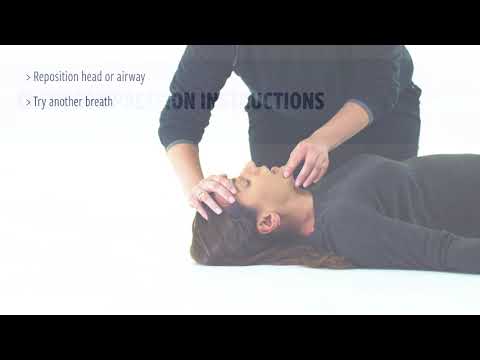
The first thing to do is to check the airway. You want to make sure nothing is blocking it. Lean the victim’s head back slightly by placing one hand on their forehead and using your fingers under the chin. This opens up their throat, allowing air to flow.
Look for Obstructions
Now, peeking into the mouth is a good idea. Sometimes, food or other objects can block airflow. If you see something, carefully remove it with your fingers—if it’s easy to grab. But hey, if you can’t see anything obvious? Don’t stick your fingers too far in there!
Give Rescue Breaths Again
If everything looks clear, try giving another two rescue breaths. Pinch their nose shut and cover their mouth with yours to create a seal. Blow gently into their mouth until you see their chest rise—ideally about once every second.
No Rise? Move On
If there’s still no rise in the chest after those breaths, don’t panic! Go back to doing compressions again—hard and fast at a rate of 100-120 compressions per minute.
The Importance of Compresssions
You might be thinking: why focus on compressions? Think of it like this; when blood isn’t pumped effectively due to lack of heart function or breathing, compressions keep some blood flowing until help arrives.
- Push down hard and fast in the center of the chest.
- Aim for at least two inches deep with each push.
- Take a break only for rescue breaths or if someone else is helping.
Keep Going Until Help Arrives
This part’s crucial: continue CPR until emergency services arrive or an automated external defibrillator (AED) becomes available. Involve bystanders too—they can help call for help or even grab an AED if there’s one nearby!
Your Role Matters
Your actions can make a significant difference in emergencies like this one! Remember that hesitation often leads to worse outcomes than trying something—not doing anything at all can be more dangerous.
Caring for someone doesn’t mean you’re now responsible for saving them single-handedly; it’s about providing crucial assistance while awaiting trained professionals!
Wrapping It Up
If you’re not seeing results during CPR, stay calm and follow these steps: check and clear the airway, give rescue breaths again if safe to do so, focus on compressions—and keep going! Remember that these skills take practice; consider getting trained through local programs whenever possible!
Understanding the Lifesaving Techniques Behind CPR in Medicine
Understanding the Lifesaving Techniques Behind CPR
Cardiopulmonary resuscitation, or CPR, is a crucial technique used in emergencies to help a person who has stopped breathing or whose heart has stopped beating. It combines chest compressions and rescue breaths to keep blood circulating and oxygen flowing to vital organs until professional help arrives.
Why Chest Rise Matters
When performing CPR, seeing the chest rise during rescue breaths is a good sign. It means air is entering the lungs. If you don’t see that happening, it can be frustrating but knowing what to do next is essential.
Steps When There’s No Chest Rise
- Check the airway: Sometimes the airway might be blocked. Gently tilt the head back and lift the chin up. This helps straighten the air passages.
- Look for obstructions: If you suspect something might be stuck—like food or a toy—try giving abdominal thrusts if you’re trained to do so.
- Adjust breathing technique: Make sure your seal over their mouth is firm. Sometimes, just repositioning can make all the difference.
- Reassess between cycles: After 30 compressions and 2 breaths, take a moment to check if there’s any change in their condition.
The Importance of High-Quality Compressions
The foundation of effective CPR is high-quality chest compressions. They should be hard and fast, at least 2 inches deep and at a rate of 100 to 120 compressions per minute. Making sure you’re getting this right keeps blood flowing even when breaths aren’t successful.
Mouth-to-Mouth Concerns
If you’re not comfortable with mouth-to-mouth breathing, that’s okay! Hands-only CPR—which focuses solely on chest compressions—can also save lives effectively in many situations.
A Real-Life Analogy
You can think of CPR like trying to pump air into an inflatable pool toy after it’s been partly deflated. If there’s something blocking it (like water), you’ll need to fix that before it can inflate properly again.
Navigating Emotions After an Event
If you’ve ever performed CPR on someone, you know it’s intense both physically and emotionally. Remember that you’re doing your best in a critical situation, and sometimes things don’t go as planned despite your efforts.
- Treatment isn’t always clear-cut: Different people respond differently based on various factors like age or health conditions prior to collapse.
- You’re not alone: Many bystanders feel unsure about what they’re doing; that’s completely normal! Training can boost confidence significantly for future situations.
Your commitment might mean everything in those critical moments—the act of trying matters just as much as achieving success; every little bit helps when seconds count!
A Life-Saving Guide to Reviving Hearts and Restoring Hope
It’s a scary situation when someone suddenly collapses. You might wonder, “What should I do?” Especially if you notice that their chest isn’t rising while doing CPR. Let’s break this down together.
Understanding CPR
CPR stands for cardiopulmonary resuscitation. It’s a technique used when someone’s heart stops beating or they stop breathing. Basically, it combines chest compressions and breaths to keep blood flowing to vital organs.
Why the Chest Might Not Rise
If the chest isn’t rising during rescue breaths, it’s often due to a blockage in the airway. This could be caused by food, vomit, or even the tongue itself blocking air intake. Sometimes just turning them on their side can help clear the airway.
Essential Steps to Take
- Check Responsiveness: Gently shake them and shout. If they don’t respond, call for help.
- Open the Airway: Tilt their head back slightly and lift the chin to open up the airway.
- Cueing Breaths: Pinch the nose shut and cover their mouth with yours. Deliver two breaths, checking if their chest rises.
- No Airway Obstruction: Continue giving compressions at a rate of 100-120 per minute until help arrives.
li>If it doesn’t rise: You may need to reposition their head again or check for any visible obstructions in their mouth.
The Importance of Compressions
If you can’t get air in, don’t panic! Keep performing chest compressions. These are essential for maintaining blood flow even without breaths. It’s like pumping water through a hose—without pressure, nothing moves!
The Role of Emergency Services
You should always call emergency services as soon as possible. Time is crucial here; every minute can make a difference! Even if you’re unsure what to do next, staying on the line with emergency personnel can guide you step by step.
A Team Effort Is Key
If others are around, don’t hesitate to ask for assistance! One person can handle compressions while another manages rescue breaths or calls for help.
Mistakes Happen
You know? It’s completely normal to feel overwhelmed during such emergencies—everybody does! Making mistakes is human; what’s important is taking action rather than freezing up in fear.
Taking Action Means Hope
Your willingness to learn these steps is meaningful—it can truly save lives! Every second counts more than ever when someone’s heart has stopped; knowing how to react makes all the difference.
Every practice session helps build confidence too! The more familiar you become with these steps, well…you’ll be ready if that moment ever happens!
Your Role Matters!
If you’ve learned something today about keeping calm and acting promptly when faced with an emergency like this—remember: every life is precious.
You could make an incredible impact just by knowing what actions matter!
Reflection on CPR: When Chest Doesn’t Rise
CPR, or cardiopulmonary resuscitation, is a lifesaving technique used in emergencies. Sometimes during CPR, you might notice that the chest isn’t rising as it should. This can be concerning and may lead to questions about what to do next.
The first step is to ensure proper airway positioning. If the airway isn’t open, air can’t reach the lungs. Think of it like trying to pour water into a bottle with a closed lid—nothing goes in. To check this, tilt the head back slightly and lift the chin.
If you’re still not seeing chest rise after repositioning, it’s time to reassess your technique. Make sure you’re providing strong compressions at a rate of about 100-120 per minute. If you’re giving rescue breaths, pinch the nose shut and create a seal around the mouth before breathing into it.
Also, consider if there’s an obstruction. Things can get stuck in the throat causing choking. Look for signs of this; if you suspect an object is blocking the airway, performing abdominal thrusts may be necessary.
It’s vital to stay calm and focused during this process. Each moment counts when someone’s heart isn’t beating properly or they struggle to breathe.
Training and practice improve our responses in these high-pressure situations. So staying informed about CPR techniques—afraid of what might happen? Practice makes perfect.
This experience teaches us that awareness and readiness are key components in emergency care—and they sometimes make all the difference between life and death.