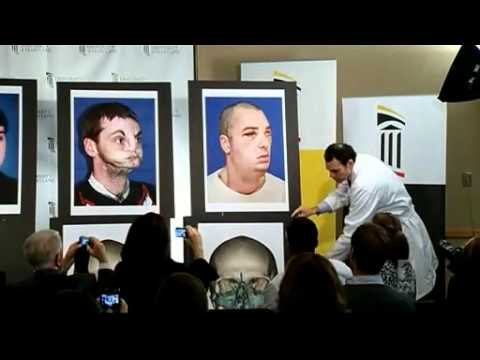
Face transplants represent one of the most extraordinary advancements in modern medicine. They stand at the intersection of hope and renewal, offering people who have suffered from severe facial injuries or conditions a chance to regain not just their appearance, but also their sense of self. Imagine being able to see your reflection and recognize yourself again—this is the profound impact a face transplant can have on someone’s life.
These surgeries involve transferring a donor’s face to a recipient, which requires advanced surgical techniques and a dedicated team of specialists. Not only do they restore physical features, but they also play a crucial role in emotional healing by helping individuals reclaim their identities.
However, this journey is not without its challenges. Each case is unique, and the road to recovery involves extensive rehabilitation and support. The process often includes lifelong medications to prevent rejection of the new tissue. This complexity highlights why it’s essential for anyone considering such procedures to thoroughly research and consult multiple professionals.
While face transplants offer remarkable possibilities, it’s vital to approach them with informed caution. Stories about these surgeries can be inspiring, but sensationalized media may oversimplify the experience or overlook potential risks involved. Always gather information from reputable sources and discuss all aspects with experienced healthcare providers for a well-rounded understanding.
The information provided in this article is intended solely for general informational and educational purposes. It does not constitute medical advice, diagnosis or professional treatment, and should not be considered a substitute for consultation with a qualified doctor or other licensed healthcare professional. Any health-related decisions should be made in consultation with accredited medical professionals.
While efforts have been made to ensure the information is accurate and up to date, no guarantees are given—either express or implied—regarding its accuracy, completeness, currency or suitability. Use of this information is at your own discretion.
It is strongly recommended to consult official sources such as the NHS (National Health Service) or other recognised medical institutions before acting on any information contained on this website or article. Under no circumstances should professional medical advice be ignored or delayed due to content read here.
This content is of a general and informational nature only. It is not intended to replace individualised guidance from a healthcare professional or to establish any doctor-patient relationship. The publication of this information does not imply any professional responsibility, guarantee or obligation on the part of the author or this site.
Exploring the Journey of Transformative Surgery and Its Impact on Lives
Face transplants are a remarkable medical advancement that have transformed the lives of many individuals facing severe facial injuries or conditions. This journey begins with the understanding of why someone would need such a procedure.
Imagine having significant facial trauma from an accident or illness. The emotional and physical scars can be just as painful as the visible ones. A face transplant offers a chance to regain not just appearance, but also functionality and self-esteem.
The process involves surgically replacing a person’s face with tissue from a donor. This is no small feat; it requires meticulous planning and coordination among surgeons, nurses, and specialists. Each case is unique, making personalization crucial.
Before surgery, patients undergo extensive evaluations. They must be mentally prepared for the changes ahead and understand the lifelong commitment to medications that prevent rejection of the new tissue.
Key points about face transplants include:
Post-surgery recovery can be a long process. Patients often need physical therapy to restore movement and function in their new face. Emotional support is equally important during this time.
It’s essential to recognize that while face transplants can significantly improve quality of life, they also involve challenges. Some recipients may experience complications like rejection or infections, which need careful management.
Understanding this journey is vital:
Face transplants symbolize hope for many who feel they have lost not just their appearance but their identity too. They remind us how far medicine has come in helping individuals reclaim their lives after devastating events.
As we explore these remarkable procedures, it’s important to engage critically with information available about them. Always consider multiple sources and seek professional advice when needed to make informed health decisions.
A Journey of Resilience and Transformation After Tragedy
Facing tragedy can feel like standing at the edge of a dark abyss. For some, this is a life-altering moment that sparks the fight for renewal. One remarkable example of this is the journey of face transplants.
When someone suffers severe facial injuries—perhaps from an accident or an attack—it can change everything. Not just their appearance, but their sense of self, and how they interact with the world.
Face transplants offer a way to rebuild not just physical features but also confidence and identity. It’s more than surgery; it’s a chance to heal deeply.
Before undergoing such a procedure, patients often navigate complex emotions. They may wrestle with anxiety, fear, and hope. It’s important to recognize that these feelings are completely normal.
The process begins with detailed evaluations. Surgeons assess medical history and readiness for surgery. This step ensures every patient receives personalized care tailored to their specific needs.
After surgery, healing involves both body and mind. Patients require time to adjust to their new faces—and this journey doesn’t end after leaving the hospital.
Support systems play a crucial role in recovery. Family, friends, mental health professionals—they all help patients through emotional ups and downs.
The resilience shown by individuals during this time is incredible. They often inspire others by sharing their stories of strength.
It’s essential to remember that face transplants are not simple fixes nor miracle cures. They come with risks and uncertainties that need careful consideration.
Ultimately, they represent hope—a new chapter in life after unimaginable hardships. The journey of resilience makes each story unique and powerful.
For anyone considering such options after trauma or seeking support for recovery, opening up about feelings helps lighten the burden shared within community or family settings.
Understanding these journeys is vital as it creates compassion within society for those who have faced life-changing events—and encourages informed choices about personal health paths moving forward.
A Journey from Tragedy to Transformation
Face transplants are a fascinating yet complex part of modern medicine. They represent a journey from tragedy to transformation for many individuals.
When someone loses their facial features due to trauma, disease, or congenital conditions, it can deeply affect their identity and emotional well-being. A face transplant offers a unique opportunity to restore these features.
The process begins with careful evaluation. Doctors assess whether a patient is suitable for this extensive surgery. Emotional readiness and physical health are both crucial.
Once approved, the patient waits for a suitable donor match. This can take time, sometimes years. It’s like waiting for the right piece to complete a puzzle.
A face transplant involves taking skin, fat, muscles, and nerves from the donor. Surgeons then attach these tissues to the recipient’s face. It’s an intricate operation that requires skill and precision.
After surgery, recovery starts. This phase is challenging as the body may react to the new tissue. Immunosuppressants are used to help prevent rejection but come with risks.
The emotional aspect is just as important as the physical one. Many recipients report feelings of joy and relief but also face challenges in adjusting to their new appearance.
Support systems play a huge role during recovery. Family, friends, and mental health professionals provide essential encouragement through this journey.
Misunderstandings about face transplants exist in society. Some think they are akin to cosmetic procedures when in fact they are life-altering interventions with serious considerations involved.
Understanding these aspects helps create awareness about face transplants’ significance and complexity while encouraging informed discussions on organ donation and transplantation benefits.
It’s important to remember that although advances in medical technology improve lives, each person’s experience is unique—filled with its own challenges and triumphs along the way.
Face transplants represent a groundbreaking achievement in modern medicine, offering a profound opportunity for renewal to those who have suffered devastating facial injuries or congenital deformities. This procedure involves transplanting facial structures from a donor to a recipient, effectively restoring not just appearance but also function and quality of life.
The journey of face transplantation highlights the resilience of the human spirit. Recipients often undergo multiple surgeries and extensive rehabilitation. These individuals demonstrate extraordinary courage as they navigate the physical and emotional challenges that arise during their recovery. The psychological impact can be as significant as the physical transformation, allowing many to reclaim their identities.
Moreover, face transplants illustrate the importance of organ donation and the collaborative efforts within healthcare teams. Surgeons, nurses, psychologists, and social workers work together to ensure comprehensive care for recipients before and after surgery. This teamwork mirrors what we see in various medical fields: collaboration leads to better outcomes.
Despite its successes, face transplantation is not without challenges. Issues such as immune rejection can occur, requiring careful management with lifelong immunosuppressive therapy. Additionally, ethical considerations around consent and donor selection remain at the forefront of discussions.
In conclusion, face transplants are more than just surgical procedures; they are a testament to human innovation and empathy. They not only restore physical appearance but also bring back hope and confidence to individuals facing profound changes in their lives. As we move forward in this field, it is essential to continue advocating for organ donation while ensuring that ethical practices guide our advancements in medicine.