When it comes to liver health, many people think of the liver as a silent workhorse that tirelessly filters toxins and helps digest food. But what happens when this vital organ fails? In some cases, a liver transplant becomes not just an option, but a necessity. Understanding how liver transplants work is crucial for anyone facing the possibility of this life-altering procedure.
Liver transplants are not only about replacing an organ; they involve a complex web of donors, recipients, and waiting lists. Imagine being part of a huge relay race where each role plays a critical part in ensuring that every runner—every patient—crosses the finish line successfully. The process can be daunting, filled with emotions and decisions.
Waiting lists can feel overwhelming. Every year thousands await a liver transplant, hoping for a match. Some patients may receive living donor livers while others depend on deceased donors. Each scenario has its own considerations and challenges, like staying healthy while waiting or understanding donor compatibility.
However, it’s essential to approach this topic with caution. Misconceptions abound, and relying solely on anecdotal accounts can lead to confusion or despair. Always take time to inform yourself by consulting different specialists—doctors who understand transplant criteria—and exploring multiple credible media sources.
Your journey through this process deserves careful navigation, so arm yourself with knowledge and ensure you’re making informed decisions about your health and options available in the world of liver transplantation.
The information provided in this article is intended solely for general informational and educational purposes. It does not constitute medical advice, diagnosis or professional treatment, and should not be considered a substitute for consultation with a qualified doctor or other licensed healthcare professional. Any health-related decisions should be made in consultation with accredited medical professionals.
While efforts have been made to ensure the information is accurate and up to date, no guarantees are given—either express or implied—regarding its accuracy, completeness, currency or suitability. Use of this information is at your own discretion.
It is strongly recommended to consult official sources such as the NHS (National Health Service) or other recognised medical institutions before acting on any information contained on this website or article. Under no circumstances should professional medical advice be ignored or delayed due to content read here.
This content is of a general and informational nature only. It is not intended to replace individualised guidance from a healthcare professional or to establish any doctor-patient relationship. The publication of this information does not imply any professional responsibility, guarantee or obligation on the part of the author or this site.
Understanding the Timeline for Life-Changing Surgery
Understanding the timeline for life-changing surgery, like a liver transplant, can feel overwhelming. It’s a journey filled with emotions and uncertainties. Let’s break it down.
First, what is a liver transplant? It’s a procedure that replaces a diseased liver with a healthy one from a donor. This can give people with severe liver issues another chance at life.
Next, the wait begins. Once you’re evaluated for eligibility, if approved, you get placed on the waiting list. This is where things can get tricky. The time on the list varies widely based on factors like your medical condition, blood type, and how urgent your need is.
Many are surprised to learn that there are two main types of donors:
Each route has its own timeline. With deceased donors, you might wait from weeks to years depending on availability and need in your region. Living donation often rushes this process but requires careful planning and matching.
While waiting, it’s important to stay as healthy as possible. Regular check-ups help monitor your condition. Staying connected with support groups can provide emotional assistance too.
After matching with a donor or receiving an organ offer, immediate preparations start for surgery. This includes pre-operative tests and consultations to ensure readiness.
It’s vital to understand that recovery post-surgery also has its own timeline. Initially, hospitalization may last several days to weeks depending on how well your body accepts the new liver.
Finally, follow-up care is crucial after heading home. Regular appointments help track recovery progress and manage any potential complications. Lifelong medication is needed too to prevent rejection of the new organ.
In summary, navigating the path of a liver transplant involves many steps and different timelines that fluctuate greatly among individuals. Staying informed and involved in your health decisions plays an essential role during this journey. Always consult medical professionals for advice tailored to your situation as everyone’s experience varies significantly.
Navigating the Complex Factors Behind Liver Transplant Decisions
Liver transplants can be life-saving, but the decision-making process is complex. Understanding what goes into these decisions helps in navigating this challenging time.
When a liver fails, it can affect many aspects of a person’s life. Factors like age, overall health, and even social support play big roles. It’s not just about needing a new liver; it’s also about being able to accept and maintain it.
Waiting lists for organ transplants are long. Each country has different systems to prioritize patients. Usually, more urgent cases rise to the top. But urgency isn’t the only factor.
Donor availability is another element. Livers come from both living donors and deceased ones. Living donors must be healthy and willing to donate, which limits options. Deceased donor livers depend on timing and circumstances around unexpected deaths.
Some questions transplant teams may consider include:
Doctors will also look at lifestyle choices like alcohol use or smoking habits. If someone hasn’t changed harmful behaviors, they might face challenges after surgery.
Another important issue is psychosocial factors. These include mental health status and family support systems. Emotional readiness can greatly influence recovery after transplantation.
It’s essential to communicate with healthcare providers openly. Patients should ask questions and express any concerns about their needs or wishes.
While waiting for an organ can be stressful, staying informed helps in making empowered decisions. Understanding what’s involved in this journey is crucial.
Remember that every situation is unique; no two transplant cases are alike. So gather information responsibly—this helps make informed choices during difficult times ahead.
Understanding the Factors That Determine Liver Transplant Eligibility
A liver transplant can be a life-saving procedure for those with severe liver disease. However, not everyone who needs one will qualify. Understanding the factors that determine eligibility is crucial for patients and families.
Severity of Liver Disease: The most important factor is how advanced the liver disease is. Doctors often use a scoring system called MELD (Model for End-Stage Liver Disease). A higher score indicates more severe disease.
Overall Health: It’s also vital to consider a person’s overall health. Transplant candidates should be healthy enough to withstand surgery. Conditions like heart disease or active infections can disqualify someone.
Addiction History: A history of substance abuse can impact eligibility. If a person has liver damage from alcohol, they usually need to show they’ve stopped drinking for a set period before being considered.
Support System: Who will help a patient after surgery matters too. A strong support system can aid in recovery and adherence to post-transplant care.
Age Factors: While there’s no strict age limit, older candidates may face more challenges. Age affects recovery and the ability to manage complex medical regimens post-transplant.
Cancer Status: If someone has active cancer, it might disqualify them unless it’s treated successfully first. This ensures that the transplant won’t be jeopardized by an underlying malignancy.
Liver Function Tests: Regular tests evaluate how well the liver is functioning. Markedly poor results may indicate eligibility for transplant.
Tissue Match: Finding a matching donor is crucial as organs must match with the recipient’s tissue type as closely as possible for success post-surgery.
It’s essential to remember that each case is unique. Evaluating these factors requires close collaboration between patients and their healthcare teams.
Additionally, being on a waiting list doesn’t guarantee receiving an organ quickly, due to donor availability and other criteria like blood type and size compatibility.
Understanding these factors helps demystify the process of getting listed for a liver transplant and encourages informed decisions during what can be an overwhelming time.
Liver transplants are a critical and complex medical procedure, offering hope to individuals suffering from end-stage liver disease. One of the fundamental challenges in this field is navigating the intricate system of organ donation and waiting lists.
Understanding organ donation is essential. There are two primary sources for liver transplants: deceased donors and living donors. Deceased donors are individuals who have passed away, and their organs are made available for transplantation. Living donors, on the other hand, can donate a portion of their healthy liver, as this organ has a remarkable ability to regenerate.
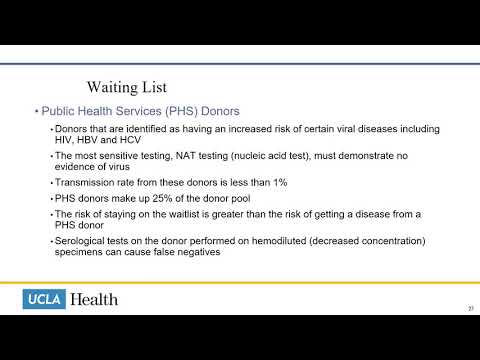
Waiting lists are a stark reality for many patients in need of a transplant. The demand for livers often far exceeds the supply. Factors such as severity of illness, geographic location, and time spent on the waiting list significantly influence who receives an organ first. This scarcity can lead to difficult ethical questions about prioritizing patients.
Public awareness plays a vital role in improving outcomes. Educating communities about the importance of organ donation can lead to an increase in registered donors. Each donor can save multiple lives through their decision.
In conclusion, navigating liver transplants involves understanding both the medical and logistical complexities surrounding donation and waiting lists. By fostering open discussions about these topics, we can encourage informed decisions that ultimately save lives.