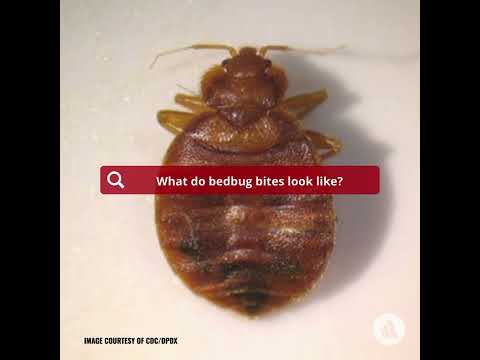
Bedbugs are tiny pests that can cause big discomfort, especially when they decide to make your bed their home. If you’ve woken up with itchy spots on your skin, you might wonder if bedbugs are to blame. Understanding the signs of bedbug bites can help you take action quickly and effectively.
Identifying bedbug bites isn’t as simple as it sounds. These bites often appear as small, red welts that can be itchy. They’re usually grouped in threes or a straight line—some may even describe the pattern like a breakfast menu: “breakfast, lunch, and dinner.” But not everyone reacts the same way; some people might not show any visible signs at all.
To know for sure what you’re dealing with, it’s vital to gather information through various sources. Different media like articles, videos, and expert opinions provide valuable insights into identifying bedbug bites accurately. Remember that while this guide offers a starting point, consulting with pest control experts or healthcare professionals will provide a more comprehensive understanding.
Be cautious: Relying solely on one source could lead to misunderstandings about your situation. Educate yourself from multiple perspectives before jumping to conclusions. Bedbug bites can be mistaken for other insect bites or skin conditions, so arm yourself with knowledge before taking any action!
The information provided in this article is intended solely for general informational and educational purposes. It does not constitute medical advice, diagnosis or professional treatment, and should not be considered a substitute for consultation with a qualified doctor or other licensed healthcare professional. Any health-related decisions should be made in consultation with accredited medical professionals.
While efforts have been made to ensure the information is accurate and up to date, no guarantees are given—either express or implied—regarding its accuracy, completeness, currency or suitability. Use of this information is at your own discretion.
It is strongly recommended to consult official sources such as the NHS (National Health Service) or other recognised medical institutions before acting on any information contained on this website or article. Under no circumstances should professional medical advice be ignored or delayed due to content read here.
This content is of a general and informational nature only. It is not intended to replace individualised guidance from a healthcare professional or to establish any doctor-patient relationship. The publication of this information does not imply any professional responsibility, guarantee or obligation on the part of the author or this site.
Identifying the Signs of Bed Bug Bites: What You Need to Know
Identifying bed bug bites can be tricky. These pests are small and often hide well, making it easy to overlook the signs. Knowing what to look for can help you respond quickly.
Bed bug bites usually appear as small, red marks on the skin. They often look similar to other insect bites, but there are key differences.
One common sign is that the bites tend to occur in clusters or lines. This happens because bed bugs typically feed in one area before moving on.
Victims might experience itching and swelling around the bite sites. The itchiness can vary from mild to severe, leading some people to scratch excessively, which can cause infection.
Timing is important. Bed bugs most commonly feed at night while you sleep. If you find unexplained bites on your skin when you wake up, take note.
Another helpful indication is the appearance of redness and inflammation around the bite area. This reaction may develop several hours after being bitten.
If you suspect bed bugs, inspect your bedroom thoroughly. Look in crevices of your mattress and headboard where they like to hide.
It’s important to understand that not everyone reacts the same way to bed bug bites. Some people may show no symptoms at all.
If you do discover a bed bug infestation, consider consulting professionals for effective pest control methods. Taking action early will help prevent further issues.
Remember, while identifying bed bug bites is a good first step, controlling an infestation requires more than just recognizing the signs!
Identifying Other Itchy Culprits That Could Confuse You
When it comes to itchy skin, not all culprits are bedbugs. Understanding other potential causes can help you figure out what might be bothering you. Let’s explore a few of these common itchy irritants.
First up, allergies. Allergic reactions often show up as itchy rashes or hives. Common triggers include foods, pollen, and pet dander. If you notice itching after exposure to something new, it may be an allergy.
Another common reason for itchiness is skin conditions. Eczema and psoriasis are examples that can lead to persistent itching. These conditions may also cause redness or flaking on the skin.
Insect bites, aside from bedbugs, can confuse us too. Mosquitoes and fleas leave bites that can be just as itchy. Check for small red bumps that may appear in clusters or random spots.
Common Skin Irritants:
It’s also worth noting that stress plays a role in itching for some people. When we’re anxious, our bodies can react in unexpected ways, including through our skin.
If you’ve been scratching too much, you could face a second issue: infections. Constant scratching can break the skin’s surface, making it vulnerable to bacteria and viruses.
Identifying the source of your itchiness often requires careful observation. Keep track of when the itching starts and any new products or situations you’re exposed to.
Remember, if your itchiness persists or worsens despite home care measures, it’s wise to seek guidance from a healthcare provider. They can help pinpoint the exact cause and suggest safe management options tailored for you. Stay curious and informed about your health!
Identifying the Itch: Spotting Bed Bug Bites vs. Skin Rashes
Identifying skin issues can be tricky. Bed bug bites and skin rashes often share similar characteristics, leading to confusion. Understanding the differences can help you manage your symptoms effectively.
Bed bugs are small, reddish-brown insects that feed on blood. Their bites typically appear in a line or cluster. You might notice them on exposed areas of your skin, like arms and legs.
Characteristics of Bed Bug Bites:
Skin rashes come from various sources, like allergies, infections, or irritants. They can appear anywhere on the body and are not limited to clusters.
Characteristics of Skin Rashes:
Timing is crucial too. If you notice bites after staying in a hotel or visiting places with high foot traffic, bed bugs could be the cause.
Remember that scratching can lead to infections. Both bed bug bites and rashes can become irritated if picked at.
If you’re unsure about your symptoms, it’s wise to consult a healthcare professional for guidance. Accurate identification is key for deciding on the right treatment or prevention methods.
Myths to debunk:
Staying informed helps you make better decisions about your health. Always keep an eye out for changes in your skin and seek support when needed!
Identifying bedbug bites can be crucial for preventing further infestations and managing discomfort. Bedbugs are small insects that feed on human blood, typically during the night. Their bites often lead to confusion due to their resemblance to other insect bites or skin conditions.
Key indicators of bedbug bites include:
Recognizing these signs early helps individuals take action. If you suspect bedbug bites, inspect your sleeping area for actual insects or shed skins. It’s important not to jump to conclusions based solely on bite appearance. Consultation with a pest control expert can provide guidance for effective treatment options.
Awareness and education about bedbug identification empower you to address the issue responsibly, ensuring a healthier living environment free from these pesky intruders.