The information provided in this article is intended solely for general informational and educational purposes. It does not constitute medical advice, diagnosis or professional treatment, and should not be considered a substitute for consultation with a qualified doctor or other licensed healthcare professional. Any health-related decisions should be made in consultation with accredited medical professionals.
While efforts have been made to ensure the information is accurate and up to date, no guarantees are given—either express or implied—regarding its accuracy, completeness, currency or suitability. Use of this information is at your own discretion.
It is strongly recommended to consult official sources such as the NHS (National Health Service) or other recognised medical institutions before acting on any information contained on this website or article. Under no circumstances should professional medical advice be ignored or delayed due to content read here.
This content is of a general and informational nature only. It is not intended to replace individualised guidance from a healthcare professional or to establish any doctor-patient relationship. The publication of this information does not imply any professional responsibility, guarantee or obligation on the part of the author or this site.
Identifying Common Skin Growths: Are They Malignant or Benign?
Have you ever looked in the mirror and noticed a new bump or spot on your skin? It’s pretty common, and honestly, it can be a little worrying. You’re not alone in feeling that way. Many people wonder if these growths are completely harmless or if they could be something more serious.
The good news is that most skin growths are benign—that means they’re not cancerous. However, distinguishing between benign and malignant growths can sometimes feel like trying to tell the difference between a cute puppy and a ferocious wolf, right? It’s easy to get confused.
This article is here to help clarify things for you. We’ll discuss different types of skin growths you might encounter, what’s normal versus what needs attention, and signs that should prompt a visit to a healthcare professional.
Remember, while this information can be helpful, it doesn’t substitute for professional medical advice. Always consult with your healthcare provider when you have concerns about your health or skin changes. Your well-being is too important to leave up to chance!
A Visual Guide to Understanding Common Skin Growths
Skin growths can be confusing, right? Sometimes they just pop up, and you wonder what’s going on. Generally, these growths can be classified into two main types: benign and malignant. Let’s break it down.
What Are Benign Growths?
Benign means non-cancerous. It’s like when you find a cute little weed in your garden. Not harmful! Common benign skin growths include:
- Moles: Small, dark spots or bumps that often appear on the skin.
- Warts: Caused by viruses, these usually have a rough texture.
- Skin tags: Tiny flaps of skin that hang off a bit; often found in skin folds.
- Keratocanthomas: Dome-shaped nodules that can resemble squamous cell carcinoma but are generally harmless.
The thing about benign growths is they don’t usually turn into something more serious. Think of them as the harmless tenants of your body’s real estate!
Understanding Malignant Growths
Malignant means cancerous. These can grow quickly and spread to other parts of the body. Examples include:
- Basal cell carcinoma: This is the most common form of skin cancer; it often looks like a pearly bump.
- Squamous cell carcinoma: Looks more like a rough patch or sore that doesn’t heal easily.
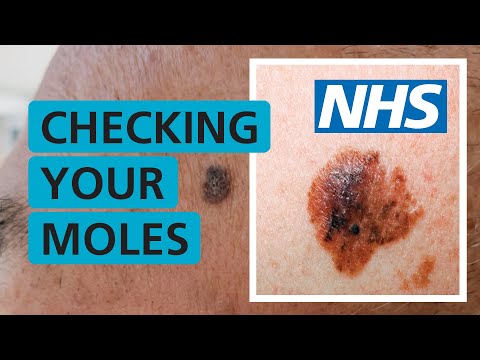
- Melanoma:This is perhaps the most well-known type; it usually appears as an irregularly shaped mole or dark spot.
If you notice something changing rapidly on your skin, that’s as good a reason as any to get it checked out! It’s not worth taking risks with your health, even if it seems minor at first glance.
Telling Them Apart
The tricky part is figuring out which growth is which. Here are some quick pointers:
- If it changes shape, color or grows quickly—pay attention!
- If it’s asymmetrical (not even), this could be troubling.
Just like how some shapes work better than others! - A jagged edge on moles could signal trouble; smooth edges are typically normal.
The Importance of Regular Check-Ups
You might wonder when to see someone for advice? Regular check-ups help catch any issues early. Think of it like getting regular oil changes for your car—it keeps everything running smoothly!
Your skin tells stories about your health. If you’re ever unsure about a new or changing growth—ask for help! The more informed you are, the better choices you can make for yourself and those around you.
Your Skin Health Matters
This topic might seem heavy but remember—you’re not alone in dealing with these concerns! Many people question similar things every day.
Take care of yourself and stay curious about what’s happening just below the surface!
A Visual Guide to Understanding Common Skin Changes in Older Adults
As we age, our skin undergoes a lot of changes. These can be quite normal, but some skin growths might raise concerns. You know, it’s really helpful to be able to identify what’s benign or malignant. So, let’s break it down.
Common Skin Growths
In older adults, you might notice various skin growths like moles, warts, or flat brown spots called lentigines. Most of these are harmless, but it’s important to recognize their characteristics.
- Benign Moles: These are usually round or oval and have a smooth edge. They can be brown or tan and often stay the same over time.
- Lentigines: Also known as age spots, these small tan or brown spots appear on sun-exposed areas like hands and face. They’re also typically harmless.
- Seborrheic Keratosis: These growths feel like a waxy bump and can vary in color from light tan to black. They usually don’t cause pain.
- Skin Tags: Small, soft pieces of skin that hang off the body—often found around necks and armpits—are common too and not a health worry.
Malignant Skin Growths
On the flip side, there are some skin changes that might require more attention. For example:
- Basal Cell Carcinoma (BCC):This is the most common form of skin cancer. It often appears as a shiny bump or sore that doesn’t heal.
- Squamous Cell Carcinoma (SCC):This can look like a scaly patch that may bleed or crust over.
- Melanoma:This serious form of cancer often shows uneven borders and multiple colors in one mole.
You Know The Signs?
If you notice any changes such as itching, bleeding, or new growths that seem different from what’s already there; it’s wise to consult a medical professional. It’s all about being proactive with your health!
The ABCDE Method for Moles
A really handy way to remember signs of potential trouble is the ABCDE method:
- A for Asymmetry:If one half doesn’t match the other half.
- B for Border:The edges are irregular or blurred.
- C for Color:Moles with varied colors may need checking out.
- D for Diameter:If it’s larger than 6 mm (about the size of a pencil eraser).
- E for Evolving:If it’s changing in size, shape, or color over time.
Certainly not every change is serious! Remember that many skin alterations come with aging—and that’s okay! Staying informed makes all the difference in ensuring you’re taking good care of your health while aging gracefully!
Understanding the Friendly Bumps on Your Skin
Hey there! Many people notice growths or bumps on their skin at some point. They can be a bit alarming, right? But most of the time, these skin growths are harmless. Let’s break down some common types of skin bumps and how to tell if they’re benign—meaning non-cancerous—or something to worry about.
What Are Benign Skin Growths?
So, benign growths are like those friendly neighbors who never cause trouble. They come in various shapes and sizes, but they don’t usually pose any health risks. Common examples include:
- Moles: These are small, dark spots formed by clusters of pigment cells. Most people have them and they’re typically harmless.
- Warts: Caused by the human papillomavirus (HPV), warts appear as rough bumps on the surface of your skin.
- Seborrheic Keratosis: These look like raised, scaly patches that can vary in color from light tan to black.
Identifying Malignant Growths
If a bump looks unusual or changes over time, it might raise concern. Malignant growths are more serious and can be cancerous. It’s important to keep an eye out for:
- A change in shape or size
- An irregular border
- A mix of colors within one spot
The ABCDE Rule
A great way to remember what to check for is the ABCDE rule:
- A: Asymmetry – if you draw a line through it, does one half look different from the other?
- B: Border – is it jagged or irregular?
- C: Color – are there multiple colors or shades?
- D: Diameter – is it larger than 6mm (about the size of a pencil eraser)?
- E: Evolving – has it changed over time?
The Importance of Seeing a Professional
If you notice any changes that seem off, it’s really best to see someone who knows about skin—like a dermatologist. They can help determine what’s going on without adding stress to you.
You might feel worried about making an appointment or waiting weeks for answers. But catching things early can make all the difference! Just think: better safe than sorry.
Caring for Your Skin
No matter what type of bump you may have, taking care of your skin is important. Good habits include:
- Sunscreen: Protect your skin from harmful UV rays.
- Moisutrizer: Keeping your skin hydrated helps maintain its health.
- Avoiding picking at bumps: Touching them can lead to infections or scarring. li> ul> p>
Your Skin Is Unique!
Your skin tells a story that’s just yours—everyone has different experiences with various bumps and growths. If you’re unsure about something new popping up on your body, don’t hesitate reach out for advice—it’s always worth looking into!
If you’re ever confused by what’s happening with your skin or just want more info about those friendly bumps remember that knowledge is power!
Reflection on Identifying Common Skin Growths: Are They Malignant or Benign?
Recognizing skin growths is a vital skill in both medical practice and personal health management. The distinction between malignant and benign growths can have significant implications for treatment and peace of mind.
Common growths like moles, warts, and seborrheic keratosis often cause concern. Many people wonder if these are harmless or indicative of something more serious. For instance, a harmless mole often looks different from a melanoma, which is a type of skin cancer.
A key aspect of this identification process lies in understanding the characteristics of each type. Benign growths are typically uniform in color and texture, while malignant ones may change over time—growing unevenly or developing irregular borders. It’s why monitoring changes in existing growths matters so much.
Educating others about how to perform self-examinations can also empower individuals to take charge of their skin health. Simple techniques like the ABCDE rule—checking for Asymmetry, Border irregularity, Color changes, Diameter larger than a pencil eraser, and Evolving size or shape—can be very helpful.
Ultimately, while some skin growths can be monitored at home, it’s crucial to seek professional evaluation if any concerning signs arise. Regular check-ups with dermatologists can catch potential issues early on. Understanding these differences fosters not just awareness but proactive health management as well.
This reflection highlights the importance of balancing self-awareness with professional guidance when it comes to identifying and interpreting skin growths.