The information provided in this article is intended solely for general informational and educational purposes. It does not constitute medical advice, diagnosis or professional treatment, and should not be considered a substitute for consultation with a qualified doctor or other licensed healthcare professional. Any health-related decisions should be made in consultation with accredited medical professionals.
While efforts have been made to ensure the information is accurate and up to date, no guarantees are given—either express or implied—regarding its accuracy, completeness, currency or suitability. Use of this information is at your own discretion.
It is strongly recommended to consult official sources such as the NHS (National Health Service) or other recognised medical institutions before acting on any information contained on this website or article. Under no circumstances should professional medical advice be ignored or delayed due to content read here.
This content is of a general and informational nature only. It is not intended to replace individualised guidance from a healthcare professional or to establish any doctor-patient relationship. The publication of this information does not imply any professional responsibility, guarantee or obligation on the part of the author or this site.
Have you ever grabbed a slice of bread, only to find it covered in fuzzy green spots? It’s pretty unsettling, right? Honestly, many people wonder if eating moldy food is really that dangerous. Spoiler alert: it can be!
Mold is not just a simple nuisance; it can affect our health in various ways. But here’s the thing: not all molds are created equal. Some types are harmless, while others can lead to serious health issues. So, what’s a person to do?
This article dives into the health risks of eating moldy bread and helps you understand what’s at stake. We’ll explore why some molds can be unsafe and what happens if you accidentally consume them.
Your health decisions shouldn’t be based solely on this content alone. It’s always essential to consult with a healthcare professional about any concerns you may have. But together, we’ll shed some light on this topic and help you make more informed choices.
The Surprising Truth About Eating Moldy Bread and Your Health
Hey, let’s talk about moldy bread. It’s one of those things we all wonder about at some point, right? You see a bit of green or white fuzzy stuff on your loaf and think, “Can I just cut that off?” But the thing is, there’s more to it.
What Is Mold?
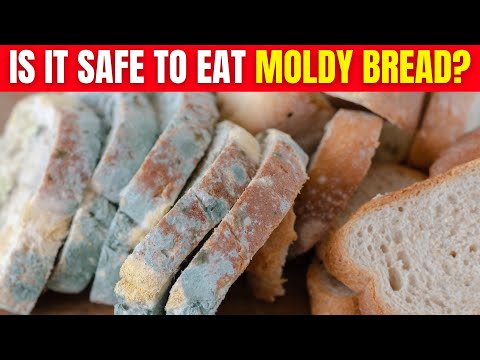
Mold is a type of fungus. It grows in warm, damp environments. On bread, it can appear as fuzzy spots or patches. Mold can come in different colors—green, black, white—and can even look almost like dust. You know how some fruits spoil? Well, bread does too.
Is It Safe to Eat Moldy Bread?
This is where it gets tricky. While you might think cutting off the moldy part makes the rest safe to eat, that isn’t always true. The roots of the mold can go deeper into the bread than you might see with your eyes. So even if it looks fine on top—you might still be consuming mold toxins.
Health Risks Associated with Eating Moldy Bread
Mold can produce mycotoxins—poisons that are harmful to health. Symptoms from eating these toxins may include nausea, vomiting and headaches. Some people may have allergic reactions too; sneezing or itchy eyes are common signs.
Look at it this way: Imagine you had fruit that’s gone bad but only noticed a small rotten spot—would you feel comfortable eating the rest? Probably not! It’s similar with moldy bread.
What Should You Do Instead?
If you find mold on your bread, it’s best to throw it away. This may seem wasteful sometimes but consider your health first! To prevent this issue in the future, store bread in a cool and dry place or use airtight containers.
The Bright Side
Interestingly enough, some molds are used safely in foods we love like blue cheese or certain fermented products. These molds are cultivated under controlled conditions and aren’t harmful when eaten as intended.
A Final Thought
You might be wondering why our bodies react differently to various molds—it’s all about exposure and individual sensitivities! So next time you’re faced with that loaf that’s seen better days remember; it’s often better not to take the risk!
- Mold indicates spoilage.
- Cuts don’t guarantee safety.
- Mold toxins can cause sickness.
- Always prioritize your health over food waste!
The Surprising Truth About Your Health and Safety
Moldy bread is a common sight in many kitchens. Sometimes we find that old loaf tucked away at the back of the cupboard. You might wonder, is it really safe to eat? Well, there’s some truth to unpack here.
Mold is essentially a fungus. When bread gets moldy, it doesn’t just look bad; it’s often an indicator of spoilage. The thing is, not all molds are harmful, but some can produce toxins called mycotoxins. These can be quite dangerous if ingested in large amounts.
Generally speaking, if you see mold on your bread, it’s best to toss it out rather than try to salvage any part of it. Even cutting away the molded sections isn’t foolproof. The roots of the mold can spread deeper than what’s visible to the naked eye.
Ever heard of aflatoxin? It’s one type of mycotoxin associated with some molds and can lead to serious health issues over time. Eating a piece of moldy bread once probably won’t cause immediate harm for most people, but repeated consumption could lead to problems.
Some people with allergies or weakened immune systems may react more severely even just from small amounts—for them it’s better not taking any chances at all.
Here’s an interesting point: bread can grow various types of mold depending on its ingredients and conditions—think moisture levels and temperature. A loaf made with preservatives might resist mold longer compared to those without them.
If you want to keep your bread fresh longer, store it in a cool, dry place or freeze it if you won’t use it right away. Thawing frozen bread doesn’t affect its quality too much either!
To sum things up, while eating a small piece of moldy bread might not lead directly to disaster for everyone, it’s safer and smarter just toss that loaf in the bin instead! Because who wants surprises like that when making a sandwich?
Exploring the Risks and Realities of Eating Toasted Moldy Bread
Understanding Moldy Bread
Hey, let’s talk about that moldy bread you might be wondering about. You know, we’ve all had that moment when we find a loaf in the back of the pantry. Sometimes it’s just a little fuzzy, and you think, “Can I just cut off the mold?” Well, let’s break it down.
What is Mold?
Mold is basically a type of fungus. Think of it like nature’s recycling system. It breaks down dead organic material. When bread gets moldy, it’s trying to decompose the ingredients in it. Not all molds are harmful, but some can cause health issues.
The Risks Involved
So, here’s the deal. Eating moldy bread can come with risks. If you take just a tiny bit of mold into your system, you might be okay—sometimes your body can handle it without any problems.
However, if you’re allergic to mold or have a weakened immune system, then that’s where things get tricky. You could experience symptoms like nausea or even more serious reactions.
What About Toasting? Does That Help?
A common thought is that toasting bread kills the mold and makes it safe to eat. Look, while heat can kill some bacteria and molds, it doesn’t eliminate all toxins produced by them; those might still be present even after toasting.
This means that even roasted moldy bread could potentially make you feel sick if harmful mycotoxins are involved.
Cuts and Scrapes Don’t Always Work
You might think cutting off the visible part of the mold will save your breakfast; however it’s not really that simple. The roots of the fungus can spread deeper into the bread than you might see on the surface.
If you slice away at one spot but there’s more underneath? You don’t really know what you’re eatin’ then.
Real-Life Examples
I once talked to someone who didn’t think twice about eating toast with some green patches on it—they felt fine afterward! But then there are other stories where folks ate similar bread and felt ill later on.
The Bottom Line
The idea is to trust your instincts on bread quality; when in doubt, throw it out! It’s not worth risking your health over a few slices of questionable toast.
- If it’s very fuzzy or smells bad—don’t eat it!
- If there’s only a tiny spot and you’re sure it’s not pathogenic—consider carefully!
- Your body knows best; listen to any signals it sends after eating something dubious!
The bottom line? Mold isn’t something most people want in their diets—no matter how toasted! Stay cautious and keep an eye on your food habits for better health outcomes.
Eating moldy bread is a common concern, and it’s essential to approach this issue with a bit of understanding. Mold can grow on food as a natural part of its decomposition, but that doesn’t mean it’s entirely harmless.
When you see mold on bread, it might look like just a little patch, but that small spot can be deceiving. Mold can have roots that penetrate deeper into the bread. Removing the visible mold doesn’t guarantee the rest of the bread is safe to eat.
Mold itself produces mycotoxins, which are toxic compounds that can cause health problems if ingested. Symptoms might include nausea, vomiting, or allergic reactions in some people. This risk varies based on individual sensitivity and the type of mold present.
For certain groups—like pregnant women, babies, or those with compromised immune systems—the risks are higher. It’s best for these individuals to avoid eating any moldy food altogether.
If you accidentally consume moldy bread and feel unwell afterward, it’s always smart to consult a healthcare professional.
The bottom line? It’s safer to toss out any moldy bread rather than take unnecessary risks with your health.