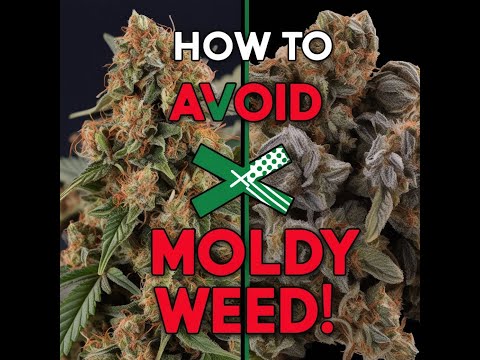
Moldy weed isn’t just a nuisance; it can affect your health and the quality of your experience. If you’ve ever come across a batch of cannabis that looks or smells off, you’re not alone. Understanding how to spot moldy weed can save you from potential health risks and an unpleasant experience.
Detecting mold is essential for anyone looking to enjoy their cannabis safely. Mold can appear as fuzzy spots or discolored patches on the buds, often resembling small white or grayish filaments. You may also notice a musty smell that’s reminiscent of damp basements. These signs are red flags indicating that the weed may be unsafe to consume.
Remember: Consuming moldy weed can lead to respiratory issues, allergic reactions, and other health problems. If you suspect your cannabis has gone bad, it’s best to err on the side of caution and discard it.
Stay curious and informed! Always seek knowledge from reliable sources—whether through articles, videos, or consultations with specialists—to ensure you’re making safe choices with your health and wellness in mind.
The information provided in this article is intended solely for general informational and educational purposes. It does not constitute medical advice, diagnosis or professional treatment, and should not be considered a substitute for consultation with a qualified doctor or other licensed healthcare professional. Any health-related decisions should be made in consultation with accredited medical professionals.
While efforts have been made to ensure the information is accurate and up to date, no guarantees are given—either express or implied—regarding its accuracy, completeness, currency or suitability. Use of this information is at your own discretion.
It is strongly recommended to consult official sources such as the NHS (National Health Service) or other recognised medical institutions before acting on any information contained on this website or article. Under no circumstances should professional medical advice be ignored or delayed due to content read here.
This content is of a general and informational nature only. It is not intended to replace individualised guidance from a healthcare professional or to establish any doctor-patient relationship. The publication of this information does not imply any professional responsibility, guarantee or obligation on the part of the author or this site.
Spotting the Signs: Uncovering Mold in Your Cannabis
Mold can be a sneaky issue when it comes to cannabis. It’s important to know what to look for in order to keep your experience safe and enjoyable.
First, visual cues are key. When examining your cannabis, look for any fuzzy or dusty spots. These can range from white to green or even black. Mold often appears like a thin layer of cotton candy or spider webs.
Next, consider the smell. Fresh cannabis should have a strong, pleasant aroma. If it smells musty or like damp earth, that could be a sign of mold growth. Trust your nose—if something seems off, it probably is.
When handling your cannabis, also pay attention to texture. Healthy buds should feel sticky and slightly spongy if pressed lightly. If they feel dry and crumbly, it might indicate spoilage and possible mold presence.
Another aspect to consider is the environment where you store your cannabis. High humidity levels combined with warm temperatures create ideal conditions for mold growth. Ideally, keep your buds in a cool, dry place.
If you do find mold on your cannabis, it’s best to discard it rather than try cleaning it off. Even small spores can pose health risks when inhaled.
In conclusion, always trust your senses when it comes to inspecting cannabis. Be mindful of its appearance, smell and texture. Keeping an eye on storage conditions can also help prevent mold issues before they start!
Being informed about these signs empowers you to make responsible choices about what you consume.
Reviving Stale Buds: Discovering Ways to Breathe New Life into Moldy Cannabis
Moldy cannabis can be disappointing. It not only affects the quality of your stash but may also pose health risks. Understanding how to spot and handle mold is essential for anyone who uses cannabis.
First, let’s talk about signs of mold. Look for fuzzy spots, discolored areas, or an unusual smell. Mold may appear like a white, gray, or even black fuzz on the buds. If you see any of these signs, it’s best to proceed with caution.
So what can you do with moldy cannabis? While many might think they can simply revive it, the reality is quite different. Mold spores may still be harmful even after attempting to clean or dry out the product.
Here are some tips if you find yourself with potentially contaminated weed:
Another option is drying and curing. Properly dried and cured weed can sometimes reduce moisture levels that enable mold growth. But this won’t get rid of existing mold.
Using heat or UV light has been discussed as a way to kill spores. However, this approach isn’t foolproof and may damage cannabinoids in the process.
Often the best decision is to discard any significantly affected cannabis rather than risk your health.
If you want to prevent future issues:
Educating yourself about proper cannabis care goes a long way in keeping your stash fresh and safe. Always remember that prevention is easier than trying to save what’s gone bad!
A Visual Guide to Identifying Moldy Cannabis and Its Effects on Quality
Many people enjoy cannabis for its various effects, but it’s crucial to be aware of its quality. One major concern is mold, which can grow on cannabis if it’s not stored properly. This guide aims to help you spot moldy cannabis and understand its effects on quality.
Mold thrives in damp environments. If cannabis has been stored in a humid place or has been improperly dried, it becomes more susceptible.
Here are common signs of moldy cannabis:
Consuming moldy cannabis can lead to health issues. It may cause respiratory problems, allergic reactions, or other uncomfortable symptoms.
Not everyone reacts the same way to mold exposure. Some people might experience mild irritation while others could have severe reactions.
To prevent mold growth on your weed:
If you suspect your cannabis is moldy, it’s best to avoid using it altogether. The potential risks outweigh any short-term enjoyment.
When buying from dispensaries or dealers, always inspect before purchase. Don’t hesitate to ask questions about their storage methods.
In conclusion, being informed about the signs of mold can help ensure you’re enjoying safe and high-quality cannabis. Take the time to check your product before use!
Mold on cannabis, often referred to as “moldy weed,” is a pressing concern for both consumers and growers. Understanding how to identify signs of mold and effectively manage it is crucial for ensuring safety and maintaining product quality.
The first step in handling moldy weed is recognizing its signs. Mold typically appears as white, grey, or black fuzzy spots on the buds. You might also notice a musty smell, which can be a red flag. Just like bread can become moldy if left in damp conditions, cannabis can easily develop mold when stored improperly or harvested during humid weather.
If you discover that your cannabis has mold, the safest course of action is to dispose of it. Unlike some foods where you might scrape off the bad parts, inhaling mold spores can lead to respiratory issues and other health problems.
Additionally, prevention plays a vital role. To avoid future incidents:
Education around this topic fosters not only personal safety but also responsible consumption habits within the community. By spreading awareness about how to spot and handle moldy weed, we encourage informed choices that prioritize health above all else. Remember that when it comes to our well-being, it’s better to be safe than sorry.