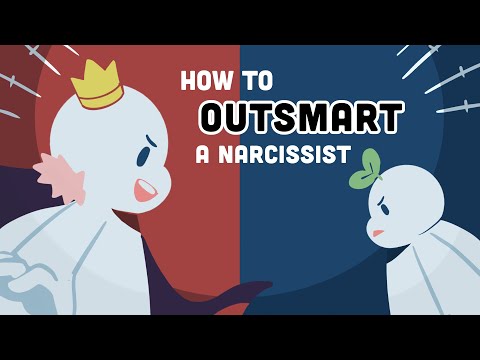
Navigating relationships with narcissistic individuals can be a challenging experience. Whether it’s a family member, friend, or colleague, understanding their behavior patterns is crucial. “Mastering Interactions: 9 Smart Ways to Handle a Narcissist” presents practical strategies to help you communicate effectively without losing your sense of self.
Imagine walking through a maze. The walls shift and change, making it difficult to find your way out. This mirrors how interacting with a narcissist can feel—confusing and at times overwhelming. But by learning specific techniques, you can find clarity and maintain your boundaries while fostering healthier interactions.
It’s important to approach this topic with care and awareness. While the guide offers valuable insights, every situation is unique. What works for one person may not work for another. Be cautious of oversimplifications and always strive to gather information from various experts and respected sources. Engaging with different perspectives will equip you with the tools necessary to better understand how to handle these complex dynamics effectively.
Remember, your emotional well-being matters just as much as understanding others. Stay curious and informed!
The information provided in this article is intended solely for general informational and educational purposes. It does not constitute medical advice, diagnosis or professional treatment, and should not be considered a substitute for consultation with a qualified doctor or other licensed healthcare professional. Any health-related decisions should be made in consultation with accredited medical professionals.
While efforts have been made to ensure the information is accurate and up to date, no guarantees are given—either express or implied—regarding its accuracy, completeness, currency or suitability. Use of this information is at your own discretion.
It is strongly recommended to consult official sources such as the NHS (National Health Service) or other recognised medical institutions before acting on any information contained on this website or article. Under no circumstances should professional medical advice be ignored or delayed due to content read here.
This content is of a general and informational nature only. It is not intended to replace individualised guidance from a healthcare professional or to establish any doctor-patient relationship. The publication of this information does not imply any professional responsibility, guarantee or obligation on the part of the author or this site.
Unraveling the Mindset Behind Self-Absorption and Manipulation
Self-absorption and manipulation often go hand in hand. Understanding these behaviors can help us interact better with those who exhibit them.
Self-absorption is when someone is primarily focused on themselves. Imagine a sponge soaking up everything around but never letting go. That’s how self-absorbed individuals operate—they absorb attention and energy from others without giving much back.
Narcissism is a type of self-absorption at its core. People who are narcissistic often believe they are superior to others. They might seem charming at first, but their underlying need for admiration can lead to toxic interactions.
Manipulation is a tool they use to maintain control or gain what they want. Think of it like puppetry, where the manipulator pulls the strings, influencing others’ thoughts or emotions without their awareness.
Here are some common traits of self-absorbed individuals:
Dealing with someone who exhibits these traits can be challenging. It’s important to set clear boundaries. Don’t let their behavior dictate your feelings or actions.
Use effective communication strategies when interacting with them. Be assertive but calm, focusing on facts rather than emotions. This can sometimes help keep the conversation grounded.
Recognizing that you cannot change someone else is crucial. Your focus should be on how to protect your own emotional well-being instead.
It’s also helpful to rely on support systems—friends and family who understand your situation can provide comfort and perspective.
Education about these behaviors promotes empathy while also encouraging critical thinking about relationships—or even our own actions sometimes!
In conclusion, understanding the mindset behind self-absorption and manipulation equips you for healthier interactions moving forward. Awareness fosters resilience and what we allow in our lives matters significantly.
Unpacking the Self-Defense Strategies of Narcissistic Personalities
Understanding narcissistic personalities can feel like trying to decipher a complicated code. Their behavior often revolves around self-defense strategies that protect their fragile self-esteem.
Narcissists frequently project confidence, but underneath lies insecurity. This leads them to use various tactics in social interactions.
1. Blame-Shifting: When confronted, they often redirect blame onto others. This shields them from feeling vulnerable and maintains their desired image.
2. Gaslighting: They may deny reality or manipulate situations to make others doubt their perceptions. This tactic helps them maintain control over interactions.
3. Flattery: Narcissists often employ excessive praise to win people over or distract from their faults. It’s a way to create allies and reinforce their self-importance.
4. Victimhood: By portraying themselves as victims, they elicit sympathy and divert attention from their actions. This can also justify their harmful behaviors in their minds.
5. Dismissiveness: They might belittle others’ feelings or opinions as a way to elevate themselves. It’s a technique to assert dominance in conversations.
Understanding these strategies is crucial for navigating relationships with narcissistic individuals effectively.
Realizing these tactics can help you approach interactions with a clearer mindset. Remember, it’s not about winning or losing; it’s about maintaining your own boundaries and well-being.
If you encounter someone exhibiting these traits, consider a few smart strategies. Stay calm and composed, set firm boundaries, and practice assertive communication without getting drawn into drama.
It’s also essential to prioritize your own mental health in these situations. Engage with supportive networks or seek guidance if needed.
Recognizing the patterns of narcissistic behavior is the first step towards protecting yourself while fostering healthier relationships overall.
Engage critically with any advice you find on this topic; not all strategies will work for everyone or every situation!
Navigating the Storm: Effective Strategies for Dealing with Narcissistic Behavior
Navigating interactions with someone who exhibits narcissistic behavior can feel like a stormy sea. It’s important to have strategies in place to manage these challenging relationships.
First, understand what narcissism is. People with narcissistic traits often seek admiration and lack empathy for others. This can make communication difficult and lead to misunderstandings.
Set clear boundaries. It’s crucial to communicate your limits kindly but firmly. For example, if they interrupt you often, calmly say, “I’d like to finish my thought before we discuss yours.”
Use “I” statements. Instead of saying, “You always ignore me,” try phrases like, “I feel unheard when I’m interrupted.” This approach takes the focus off them and highlights your feelings.
Stay calm and composed. Narcissists may provoke reactions on purpose. Keeping your cool helps prevent escalation and shows that you are not easily rattled.
Avoid engaging in arguments. Trying to win an argument with a narcissist can be futile. They may twist facts or dismiss your point of view. Sometimes it’s best to agree to disagree.
Practice self-care. Interacting with someone who displays these traits can drain your energy. Make sure to take time for yourself—whether it’s going for a walk or spending time with supportive friends.
Acknowledge their emotions but don’t enable them. You can recognize how they feel without getting pulled into their drama. Say things like, “I see this is upsetting you,” without feeding into their narrative.
Limit expectations. Understand that a person with strong narcissistic traits may not change; accepting this can reduce frustration in your interactions.
Lastly, consider professional support if needed. Sometimes talking it out with someone trained in managing difficult relationships can provide valuable insights.
Navigating relationships involves skill—especially when one person displays complex behaviors such as narcissism. With practice and patience, it’s possible to interact more effectively while protecting your own well-being.
Interacting with someone who exhibits narcissistic traits can be challenging and emotionally draining. It’s essential to approach these interactions with a thoughtful strategy. The article “Mastering Interactions: 9 Smart Ways to Handle a Narcissist” presents practical techniques that can empower individuals in these situations.
Recognizing Narcissism: Understanding the characteristics of narcissism is the first step. Narcissists often seek attention and validation, making it crucial to remain grounded in your own self-worth.
Set Boundaries: Establishing clear boundaries is vital. This allows you to maintain your emotional space while interacting with them.
Stay Calm: Emotions can escalate quickly. Remaining calm helps de-escalate tensions and prevents giving the narcissist the reactions they often crave.
Avoid Engaging in Conflict: Arguments tend to fuel their behavior. Instead of debating, aim for constructive dialogue or change the subject if it leads to conflict.
Focus on Facts: Presenting facts rather than opinions can help keep conversations rooted in reality, making it harder for them to manipulate discussions.
Practice Self-Care: Engaging with a narcissist can take a toll on your mental health. Prioritizing self-care helps you stay resilient and balanced during challenging interactions.
Avoid Personalization: Remember that their behaviors are a reflection of their struggles, not yours. This mindset shift can reduce emotional strain.
Connecting with friends or mental health professionals fosters resilience and provides an outlet for processing your experiences.
Know When to Walk Away: Sometimes, disengaging from toxic dynamics is necessary for your well-being. Recognizing when to step back protects your mental health.
By using these strategies, individuals can navigate relationships with narcissists more effectively, fostering healthier interactions while safeguarding their own emotional well-being.