Tanning nasal sprays have gained attention as an alternative to traditional tanning methods. They promise a sun-kissed glow without the harmful UV exposure. However, this innovative approach raises important questions about safety and effectiveness. Are these products harmless beauty boosters, or do they come with hidden risks?
Understanding the science behind these sprays is crucial. Many contain synthetic forms of melanin that stimulate pigment production in your skin, mimicking a tan. This sounds appealing, but do we fully comprehend how these ingredients interact with our bodies?
Before diving in, it’s wise to consider the broader picture. While the allure of a quick tan is tempting, it’s essential to stay informed. Consult various specialists—dermatologists, pharmacists, and reputable health websites—to gather balanced insights.
**Warning**: Tanning nasal sprays can pose health risks that are not yet fully understood. While they may seem like an attractive shortcut to achieving a bronzed look, it’s crucial to weigh potential side effects against benefits carefully. Always prioritize your health over appearances and ensure you have comprehensive information from trusted sources before trying any new beauty products.
The information provided in this article is intended solely for general informational and educational purposes. It does not constitute medical advice, diagnosis or professional treatment, and should not be considered a substitute for consultation with a qualified doctor or other licensed healthcare professional. Any health-related decisions should be made in consultation with accredited medical professionals.
While efforts have been made to ensure the information is accurate and up to date, no guarantees are given—either express or implied—regarding its accuracy, completeness, currency or suitability. Use of this information is at your own discretion.
It is strongly recommended to consult official sources such as the NHS (National Health Service) or other recognised medical institutions before acting on any information contained on this website or article. Under no circumstances should professional medical advice be ignored or delayed due to content read here.
This content is of a general and informational nature only. It is not intended to replace individualised guidance from a healthcare professional or to establish any doctor-patient relationship. The publication of this information does not imply any professional responsibility, guarantee or obligation on the part of the author or this site.
Understanding the Surprising Journey of Nasal Spray through Your Body
Understanding how nasal spray travels through your body can help you make informed decisions about using products like tanning nasal spray. Let’s break it down.
When you use a nasal spray, the medication is delivered directly into your nose. The inside of the nose is rich in blood vessels. This allows substances to be absorbed very quickly.
Once the nasal spray is inhaled, it targets the mucous membranes in your nostrils. From there, it enters your bloodstream rapidly. This swift absorption means effects can happen faster than with other forms of medications, like pills.
Now, let’s consider tanning nasal sprays specifically. These often contain ingredients that stimulate melanin production, which gives skin a tan-like appearance without sun exposure.
In terms of safety, there are important factors to consider:
Keep in mind that just because something is applied nasally doesn’t mean it’s completely free from side effects. It’s crucial to be aware of how sensitive some individuals might be to those ingredients.
Another point is that using these sprays does not offer protection from UV rays. While they may provide a tanned look, they do not prevent skin damage associated with sun exposure.
Critically thinking about products like tanning nasal sprays can protect your health. Ask questions and do research if you’re unsure about a product’s contents or effects.
Finally, if you’re considering trying any new spray or treatment, consult a health professional first for personalized advice tailored to your specific needs and conditions. Your safety and well-being are paramount!
Understanding the Risks of Inhaling Tanning Products
Many people enjoy looking sun-kissed and turn to tanning products for that bronze glow. However, inhaling these products, especially nasal sprays, comes with risks that should not be taken lightly.
Tanning nasal sprays generally contain an active ingredient called dihydroxyacetone (DHA). This chemical reacts with the outer layer of your skin to create a tanned appearance. But when inhaled, it can enter your lungs and body in ways you might not expect.
Here are some key points to consider:
It’s important to remember that while topical applications of tanning products are usually seen as safer, inhaling them creates different challenges. Your lungs aren’t designed for filtering out chemicals like your skin is.
Consider the alternatives too. Sunless tanning lotions or sprays that are applied directly on the skin may present fewer risks than inhaled products. Always follow instructions if you choose a product—less is often more.
Be aware of the regulations. Not all tanning products undergo rigorous testing for safety when inhaled. Some might not even mention inhalation risks clearly.
Before deciding on a tanning method, think carefully about what you’re using and how you’re using it. While looking good is important, protecting your health should always come first.
If you have any underlying health conditions or concerns about specific products, it’s wise to consult with someone knowledgeable before making a choice. Remember, informed decisions lead to healthier outcomes!
Unlock the Secret to Flawless Sun-Kissed Skin with Nasal Tanners
Tanning nasal sprays have gained popularity as a way to achieve that coveted sun-kissed glow without the sun’s harmful rays. But what do you need to know before trying them?
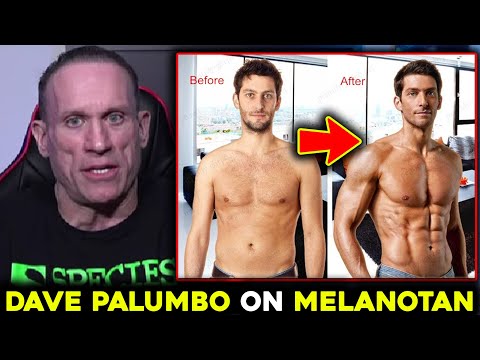
First, let’s discuss how these sprays work. They typically contain a substance called **melanotan** or similar compounds. When inhaled, these ingredients are said to stimulate melanin production—this is the pigment responsible for skin color.
However, just because something is popular doesn’t mean it’s without risks. Tanning nasal sprays are not FDA approved. This means there hasn’t been enough rigorous testing on their safety and effectiveness.
Some users report side effects like nausea, headaches, and changes in skin pigmentation. The lack of regulation also raises concerns about the quality of products available in stores or online.
You might wonder if they’re a safer alternative to traditional tanning methods like sunbathing or tanning beds. While they may reduce UV exposure, using them doesn’t eliminate risk altogether.
It’s essential to remember that no tan is entirely safe. The skin can still experience damage from UV rays, even indirectly.
If you’re considering alternatives for achieving bronzed skin:
Always check with reliable sources before trying new health and beauty products.
In summary, while nasal tanners offer an intriguing option for those seeking a tanned look without sun exposure, they come with uncertainties. It’s crucial to think critically about what you put into your body and how it may affect your long-term health.
Stay well-informed and choose wisely!
Tanning nasal spray has recently gained attention as a quick way to achieve a bronzed complexion without sun exposure. While the allure of a sun-kissed glow is understandable, it’s essential to scrutinize the safety and effectiveness of such products.
Firstly, these sprays typically contain synthetic versions of melanin or other compounds that stimulate melanin production. While they may produce a temporary tan, much like how we get color from sunlight, the long-term effects on skin health and overall wellness remain uncertain.
Here are some key considerations:
Factoring in these points, one should approach tanning nasal sprays cautiously. An informed decision involves weighing the potential risks against the desire for cosmetic benefits. Exploring safer alternatives, like self-tanners or bronzers that do not involve inhalation or risks associated with untested substances, might be wise.
Ultimately, embracing your natural skin tone while protecting your health is crucial. Always prioritize methods backed by evidence and consider consulting health professionals before introducing new products into your routine.