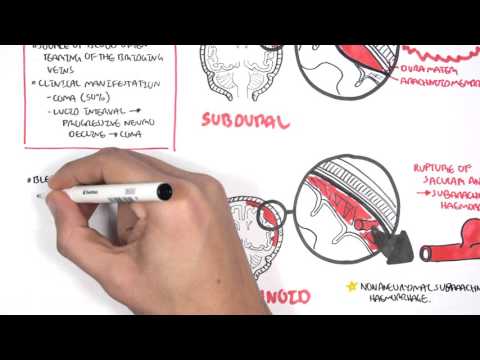
When it comes to our bodies, the brain is like the control center of a spaceship. It’s responsible for everything we do—thinking, moving, feeling, and even breathing. But just like a spaceship can experience malfunctions, our brains can face their own challenges, one of which is a brain bleed.
A brain bleed occurs when there’s bleeding in or around the brain tissue. This can happen due to various reasons—an injury, high blood pressure, or even certain medical conditions. Understanding the symptoms and treatment options available is crucial for anyone wanting to protect their health and well-being.
Recognizing signs early can make all the difference. Imagine trying to fix a leak in your house; if you catch it early, it’s often easier and less costly to repair. The same goes for brain bleeds. Let’s explore how to spot these signs and what treatments are available.
However, it’s essential to approach this topic with care. Brain bleeds are serious medical events that require professional evaluation and treatment. Always seek information from multiple sources—doctors, specialists, or trusted health websites—to ensure an accurate understanding. Don’t rely solely on one perspective; gather insights broadly for your peace of mind and safety.
The information provided in this article is intended solely for general informational and educational purposes. It does not constitute medical advice, diagnosis or professional treatment, and should not be considered a substitute for consultation with a qualified doctor or other licensed healthcare professional. Any health-related decisions should be made in consultation with accredited medical professionals.
While efforts have been made to ensure the information is accurate and up to date, no guarantees are given—either express or implied—regarding its accuracy, completeness, currency or suitability. Use of this information is at your own discretion.
It is strongly recommended to consult official sources such as the NHS (National Health Service) or other recognised medical institutions before acting on any information contained on this website or article. Under no circumstances should professional medical advice be ignored or delayed due to content read here.
This content is of a general and informational nature only. It is not intended to replace individualised guidance from a healthcare professional or to establish any doctor-patient relationship. The publication of this information does not imply any professional responsibility, guarantee or obligation on the part of the author or this site.
Exploring Treatments and Choices for Managing Brain Bleeds
When it comes to brain bleeds, understanding the options for treatment and management is crucial. Brain bleeds, or intracerebral hemorrhages, occur when there is bleeding within the brain tissue. This can cause pressure on the brain and lead to serious complications.
Symptoms can include sudden headaches, nausea, weakness, or confusion. Recognizing these signs early is important for seeking help.
Once diagnosed, several treatment options may be considered depending on the severity of the bleed. Here are some common approaches:
Decisions about treatment depend on various factors like age, overall health, and the bleed’s location/type. It’s a little like choosing a route for a road trip; you need to assess traffic conditions and map out what will work best for your journey.
Another important aspect is rehabilitation. After treatment for a brain bleed, many people benefit from therapy. This could include physical therapy to regain strength or occupational therapy to help with daily activities.
It’s essential to talk openly with healthcare providers about all options. They can explain risks and benefits with clarity so informed decisions can be made.
Remember that every case of brain bleed is unique. What works for one person may not work for another. Critical thinking remains key when evaluating all available information regarding treatments and expected outcomes.
Lastly, it’s helpful to gather support from family and friends during this time as they can assist in navigating complex choices related to care and recovery.
Essential Steps for a Smooth Recovery Journey After a Brain Bleed
Recovering from a brain bleed can be a challenging journey. But, with careful planning and support, many people make significant progress. Here are some essential steps to help guide you or your loved one through recovery.
First, understand the situation. A brain bleed, or hemorrhage, occurs when blood vessels in the brain rupture. Learning about the type of bleed can help in planning recovery.
Next, follow medical advice. Doctors provide tailored recommendations based on the severity and location of the bleed. This guidance is crucial to prevent complications. Always ask questions if something isn’t clear.
Physical therapy may be needed. Rebuilding strength and coordination takes time. A therapist will create a program suited for individual needs.
Cognitive rehabilitation is also important. If memory or thinking skills are affected, working with a specialist can aid recovery.
Stay hydrated too! Dehydration can slow down recovery processes.
Don’t overlook emotional health. It’s common to feel anxious or depressed after such an event. Talking with friends, family, or a counselor can provide necessary support.
Lastly, patience is key. Recovery takes time; every step forward is progress—even if it feels slow at times.
In summary, understanding your condition and following these steps can make recovery more manageable. It’s important to stay connected with healthcare providers throughout this journey for support and guidance.
Understanding the Signs and Signals of Brain Bleeding
Understanding brain bleeding, or hemorrhaging, is crucial as it can indicate serious health issues. The brain is incredibly delicate, and bleeding inside it can cause significant damage.
Brain bleeds can happen for a variety of reasons. Common causes include trauma from accidents, high blood pressure, and blood vessel abnormalities. It’s important to be aware of the signs so you can act quickly if needed.
Recognizing the symptoms of a brain bleed is essential. Here are some key signals to watch for:
If you notice any of these symptoms, it’s important to seek help right away. Timely intervention can be critical in reducing complications.
Sometimes people confuse brain bleeds with migraines or other headaches. However, a sudden onset headache that feels different from your usual discomfort should raise a red flag.
In terms of treatment options, they vary based on the type and severity of the bleed. Some cases may require medication to manage symptoms like pain or swelling. More severe cases might need surgical intervention to relieve pressure on the brain.
It’s also vital to consider preventive measures for maintaining overall brain health. Managing blood pressure through diet and exercise plays a significant role.
Remember that knowledge is power. Being aware of the signs and knowing when to act can make all the difference in addressing potential brain bleeding effectively. Always consult with healthcare providers for accurate diagnosis and tailored advice based on individual health needs. Your safety comes first!
Understanding brain bleeds, or intracranial hemorrhages, is crucial because they can be life-threatening and require swift medical attention. These occurrences happen when a blood vessel in the brain bursts, leading to bleeding within the skull. It’s like a leak in a water pipe; if untreated, the pressure builds up and can cause severe damage.
Symptoms often vary depending on the location and extent of the bleed. Common signs include sudden headaches, confusion, weakness on one side of the body, and difficulty speaking. Think of these symptoms as warning lights on a car dashboard—ignoring them can lead to serious consequences.
Treatment options range from monitoring to surgical intervention. In mild cases, doctors may choose a “watchful waiting” approach, keeping an eye on symptoms while ensuring no further bleeding occurs. For more severe cases, procedures like placing drainage tubes or performing surgeries may be necessary to relieve pressure inside the skull—similar to fixing that leaky pipe before it causes flooding.
Awareness is key for early detection and improving outcomes. Understanding what brain bleeds are, their symptoms, and available treatments empowers individuals to seek help promptly when needed. This knowledge fosters informed health decisions and stresses the importance of not dismissing any concerning symptoms.
In conclusion, education about brain bleeds plays a vital role in health care. Encouraging open dialogue about such medical issues can ultimately save lives by enabling early intervention and better treatment outcomes.