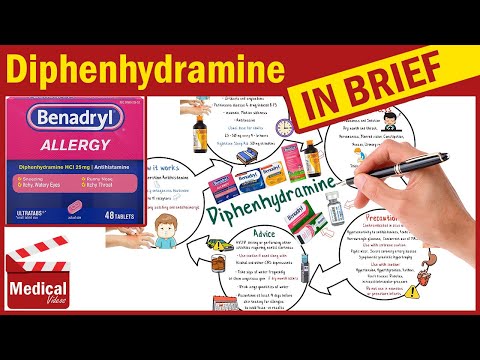
Loratadine is a well-known antihistamine often used to relieve allergy symptoms like sneezing, runny nose, and itchy eyes. Imagine your body as a finely tuned orchestra. When allergies hit, it’s like an out-of-tune instrument creating unpleasant sounds. Loratadine helps restore harmony by blocking the action of histamine, a substance in the body that causes those annoying allergy symptoms.
Aside from seasonal allergies, loratadine can also alleviate symptoms of chronic skin reactions like hives. It’s available over the counter, making it easily accessible for many. However, just because it’s easy to get doesn’t mean it’s without considerations.
Warning: While loratadine is generally safe for many people, side effects can include headaches or fatigue in some cases. It’s essential to inform yourself thoroughly about any medication you take. Consult healthcare professionals and refer to multiple reliable sources to grasp how loratadine might affect you personally. Everyone’s health journey is unique; what works for one may not work for another. Stay curious and informed!
The information provided in this article is intended solely for general informational and educational purposes. It does not constitute medical advice, diagnosis or professional treatment, and should not be considered a substitute for consultation with a qualified doctor or other licensed healthcare professional. Any health-related decisions should be made in consultation with accredited medical professionals.
While efforts have been made to ensure the information is accurate and up to date, no guarantees are given—either express or implied—regarding its accuracy, completeness, currency or suitability. Use of this information is at your own discretion.
It is strongly recommended to consult official sources such as the NHS (National Health Service) or other recognised medical institutions before acting on any information contained on this website or article. Under no circumstances should professional medical advice be ignored or delayed due to content read here.
This content is of a general and informational nature only. It is not intended to replace individualised guidance from a healthcare professional or to establish any doctor-patient relationship. The publication of this information does not imply any professional responsibility, guarantee or obligation on the part of the author or this site.
Uncovering the Frequent Reactions to Your Allergy Relief Solution
Loratadine is a common medicine used to relieve allergy symptoms. People often take it for hay fever, hives, or other allergic reactions. It works by blocking histamine, a substance your body makes during an allergic response.
While many people find loratadine effective, some may experience reactions. It’s important to know what these might be.
Common side effects include:
Drowsiness can catch you by surprise. Many people assume all allergy meds are non-drowsy. However, each person reacts differently.
A headache might seem mild but can be annoying when trying to enjoy life without allergies. Staying hydrated and resting can help alleviate this side effect.
Dry mouth is another common complaint. It’s like running out of moisture on a hot day! Drinking water or sugar-free gum can provide relief.
Less frequent, but more serious reactions include:
If you notice any of these, it’s crucial to seek medical attention promptly. These symptoms may indicate an allergic reaction to the medication itself.
Interactions with other medicines can also occur. It’s vital to inform your healthcare provider about what you’re taking regularly. This includes over-the-counter drugs and supplements.
Some people mistakenly believe all allergy medications are harmless because they’re available without a prescription. While they tend to be safe for most, awareness of potential reactions is essential for making informed choices.
An important thing to remember is that not everyone will experience side effects from loratadine or other allergy medications. Just as every person is unique, so are their responses to medications.
Finally, always talk about any concerns with your healthcare provider before starting new treatment options. They can guide you in finding solutions tailored just for you!
Being educated about your allergy relief options helps promote responsible health decisions and keeps you feeling your best during allergy season!
Uncovering the Surprising Connections of Loratadine with Other Medications and Foods
Loratadine is a commonly used antihistamine. It helps relieve allergy symptoms like sneezing, runny nose, and itchy eyes. But there’s more to it than just treating allergies. Let’s uncover some surprising connections between loratadine and other medications or foods.
First, understanding how loratadine works can help explain these connections. It blocks histamine, a substance your body releases during allergic reactions. By doing this, it reduces symptoms effectively.
Drug Interactions: Loratadine may interact with other medications. Here are some examples:
Always inform your healthcare provider about all the medicines you’re taking. This ensures safety and effectiveness.
Food Connections: The food you eat can also impact how well loratadine works. Grapefruit juice is one that might interfere with its metabolism. This means drinking grapefruit juice could increase side effects.
On the other hand, taking loratadine with a meal may help minimize stomach upset for some individuals. Just remember not to combine it with alcohol; that could enhance drowsiness.
Side Effects: While many tolerate loratadine well, some experience side effects like headache or fatigue. If you notice anything unusual after taking it, consider discussing it with a healthcare provider.
Misinformation Alert: There are myths surrounding antihistamines like loratadine. Some people think they can lead to addiction or hangover-like feelings the next day; however, this isn’t common with loratadine as it’s non-sedating for most.
In summary, while loratadine is effective for managing allergy symptoms, it’s essential to be aware of how it interacts with other medications and foods. Knowledge is power when making informed health decisions! Always consult a healthcare provider if you have questions or concerns about using this medication alongside others or your diet.
Exploring the Impact of Loratadine on Kidney Health
Loratadine is an antihistamine commonly used to relieve allergy symptoms. It’s often taken for hay fever, runny nose, and itching. While it helps many people feel better, understanding its effects on kidney health is important.
The kidneys play a key role in filtering blood and removing waste. Any medication can potentially impact how well they work. Loratadine is generally considered safe for most people, including those with kidney issues. However, it’s good to be cautious.
Here are some key points about Loratadine and kidney health:
It’s also crucial to keep an eye out for signs of any side effects. Though rare, some people might experience dizziness or headaches while using loratadine. If you notice anything unusual, discussing it with a healthcare provider is wise.
Many people worry about the safety of medications like loratadine when they have existing health conditions. While most studies suggest it’s well-tolerated, everyone’s body reacts differently.
Always remember: Your health choices should be informed by discussions with healthcare professionals. It’s vital to consider your overall health status before starting any new medication.
In conclusion, while loratadine is effective for allergies and generally safe for kidney health in most cases, awareness of how it interacts with individual conditions is essential. Be sure to prioritize open communication with your healthcare team about your specific needs and concerns regarding medications like loratadine.
Loratadine is an antihistamine commonly used to treat allergic rhinitis, which includes symptoms like sneezing, runny nose, and itchy eyes. It helps alleviate these symptoms by blocking histamine, a substance in the body that triggers allergic reactions.
Uses: Beyond seasonal allergies, loratadine can also be effective for chronic urticaria (hives). It’s available over-the-counter, making it accessible for many.
Side Effects: While generally well-tolerated, some individuals may experience side effects such as headache, fatigue, or dry mouth. These effects are usually mild but can impact daily activities.
Interactions: Loratadine can interact with other medications. It’s important to disclose all medications you’re taking to your healthcare provider to avoid any negative interactions.
Understanding how loratadine works and its potential side effects empowers users to make informed choices about their health. Always consult with a healthcare professional for personalized advice and guidance.