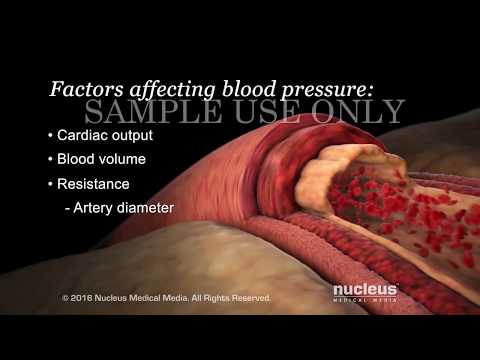
Blood pressure is a vital sign that can tell us a lot about our heart and overall health. Think of it as the force of blood pushing against the walls of your arteries, similar to how water flows through a garden hose. Just as too much pressure can burst a hose, too high blood pressure can lead to serious health issues.
Understanding blood pressure ranges is essential for everyone. Normal blood pressure is like a happy medium—it helps your body work efficiently. However, when it rises above normal levels, it can lead to problems like heart disease and stroke. The key is knowing what these ranges mean so you can keep your heart healthy and strong.
It’s important to recognize that interpreting blood pressure isn’t always straightforward. What might be normal for one person could be concerning for another. That’s why it’s crucial to inform yourself through various reputable specialists and different media sources. Don’t rely solely on one opinion; gather insights from multiple trusted avenues to form a well-rounded understanding.
Be proactive about your health! Understanding how blood pressure works empowers you to make informed decisions, but remember: never hesitate to ask questions or seek further assistance from healthcare professionals if something doesn’t feel right. Your journey towards better health starts with awareness and curiosity!
The information provided in this article is intended solely for general informational and educational purposes. It does not constitute medical advice, diagnosis or professional treatment, and should not be considered a substitute for consultation with a qualified doctor or other licensed healthcare professional. Any health-related decisions should be made in consultation with accredited medical professionals.
While efforts have been made to ensure the information is accurate and up to date, no guarantees are given—either express or implied—regarding its accuracy, completeness, currency or suitability. Use of this information is at your own discretion.
It is strongly recommended to consult official sources such as the NHS (National Health Service) or other recognised medical institutions before acting on any information contained on this website or article. Under no circumstances should professional medical advice be ignored or delayed due to content read here.
This content is of a general and informational nature only. It is not intended to replace individualised guidance from a healthcare professional or to establish any doctor-patient relationship. The publication of this information does not imply any professional responsibility, guarantee or obligation on the part of the author or this site.
Navigating Your Options for Healthier Blood Pressure Management
Managing your blood pressure is important for your overall health. Blood pressure is the force of blood against your artery walls as your heart pumps. Understanding what it means can help you make better choices.
Blood pressure readings are usually given as two numbers: systolic and diastolic. The systolic number measures the pressure when your heart beats, while the diastolic number measures it when your heart rests between beats.
A normal reading falls below 120/80 mmHg. Higher numbers can indicate elevated blood pressure or hypertension, which can lead to serious health issues over time.
So, how can you manage your blood pressure effectively? Here are some options to consider:
Stress management techniques like meditation or deep breathing exercises might also help keep numbers down.
It’s always wise to monitor your blood pressure regularly. You can do this at home using a simple device or by visiting a healthcare provider.
Misinformation about managing blood pressure is common. Some may claim certain foods or supplements are miracle solutions. It’s important to approach such claims critically.
Lastly, remember that everyone’s body responds differently to lifestyle changes. What works for one person may not work for another. Always consult with a healthcare professional before making significant changes.
Navigating healthier options takes time and effort but it’s worth it for long-term health benefits!
Understanding the Risks and What They Mean for Your Health
Understanding blood pressure is crucial for maintaining good health. Blood pressure measures the force of blood against your artery walls. It is expressed in two numbers: systolic and diastolic.
The systolic number (the first one) indicates how much pressure your blood is exerting when your heart beats. The diastolic number (the second one) shows the pressure when your heart rests between beats. Both numbers are important for understanding your overall health.
Normal blood pressure typically falls below 120/80 mmHg. Here’s a simple breakdown:
High blood pressure, or hypertension, can be serious. It often doesn’t have obvious symptoms, so many people are unaware they have it. Think of hypertension like a slow leak in a tire; over time, it can cause major damage if left untreated.
Why should you care about high blood pressure? It increases the risk of heart disease, stroke, and kidney problems. These conditions can significantly affect quality of life.
Many factors contribute to high blood pressure. Some you can’t control, like age and family history. But others are within your reach:
Making small changes to your lifestyle can help manage these risks effectively. For instance, reducing salt intake and increasing physical activity can make a significant difference over time.
It’s also important to understand that each person’s situation is unique. What works for one person may not work for another.
Keeping track of your blood pressure regularly is a proactive approach to health. Home monitoring devices are available if you’re unable to visit a clinic often.
In conclusion, understanding your blood pressure numbers empowers you to take charge of your health journey. Remember that knowledge leads to informed decisions about lifestyle choices that can benefit you in the long run.
Stay curious and ask questions about your health—it’s the best way to advocate for yourself!
Understanding Your Blood Pressure: What 140 Over 90 Really Means for Your Health
Understanding your blood pressure is an important part of managing your health. Blood pressure is measured in millimeters of mercury (mmHg) and is expressed as two numbers, like 140 over 90.
The first number, systolic pressure, measures the force of blood against artery walls when your heart beats. The second number, diastolic pressure, measures the force when your heart rests between beats.
A reading of 140 over 90 falls into the category known as hypertension or high blood pressure. This means that the pressure in your arteries is higher than what’s considered normal.
Knowing these numbers helps you understand your risk for health issues. Hypertension can lead to serious conditions like heart disease or stroke over time.
There are different ranges for blood pressure:
If you see a reading like this regularly, it’s important to talk with someone about it. Blood pressure can be affected by many factors such as diet, exercise, stress levels, and sleep quality.
Lifestyle changes can help manage blood pressure effectively:
Also, keep in mind that not all high readings mean there is a problem right away. Sometimes anxiety during a doctor’s visit can cause temporary spikes.
To get an accurate picture of your blood pressure over time, consistent monitoring is key.
Always consult with someone for personalized advice if you’re concerned about hypertension or related health issues.
Being informed about what readings mean empowers you to make healthier choices for yourself!
Understanding blood pressure is crucial for maintaining heart health. Blood pressure measures the force of blood against the walls of arteries. It’s expressed with two numbers: systolic (pressure during a heartbeat) and diastolic (pressure between beats).
Normal blood pressure typically ranges from 90/60 mmHg to 120/80 mmHg. High blood pressure, or hypertension, is often identified as readings above 130/80 mmHg. This condition can lead to serious health issues like heart disease and stroke, making awareness essential.
Regular monitoring is important since high blood pressure often shows no symptoms. Think of it like a speed limit; just because you’re not getting pulled over doesn’t mean you’re driving safely.
Here are key points to keep in mind:
Being informed empowers you to make better health choices. Understanding the implications of your blood pressure readings can lead to proactive steps in safeguarding your overall well-being.