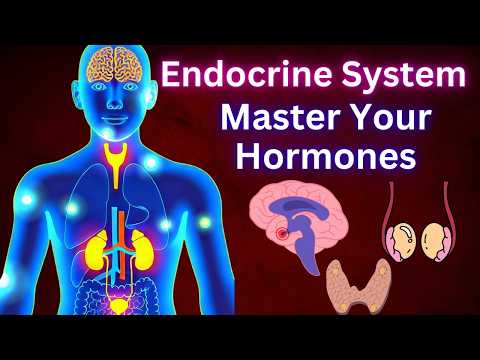
The hypothalamus, a small but powerful region in the brain, is often referred to as the body’s control center. It plays a pivotal role in regulating many of our essential functions, including hunger, thirst, sleep, and body temperature. Think of it as the conductor of an orchestra—coordinating various hormones to create harmony in our bodily systems.
Within this tiny structure lies a world of hormones that affect everything from mood to metabolism. Imagine if you could unlock the secrets of your brain’s command center. What insights might you gain about your health and well-being? Understanding how these hormones operate can empower you to make informed lifestyle choices.
However, while exploring these fascinating secrets can be enlightening, it’s crucial to approach this knowledge with caution. The science surrounding hormones and brain function is complex and constantly evolving. Misinterpretation or oversimplification can lead to misleading conclusions. Always consult various specialists and reliable sources before drawing any conclusions or making health decisions based on hormonal influences. Your well-being deserves careful consideration!
The information provided in this article is intended solely for general informational and educational purposes. It does not constitute medical advice, diagnosis or professional treatment, and should not be considered a substitute for consultation with a qualified doctor or other licensed healthcare professional. Any health-related decisions should be made in consultation with accredited medical professionals.
While efforts have been made to ensure the information is accurate and up to date, no guarantees are given—either express or implied—regarding its accuracy, completeness, currency or suitability. Use of this information is at your own discretion.
It is strongly recommended to consult official sources such as the NHS (National Health Service) or other recognised medical institutions before acting on any information contained on this website or article. Under no circumstances should professional medical advice be ignored or delayed due to content read here.
This content is of a general and informational nature only. It is not intended to replace individualised guidance from a healthcare professional or to establish any doctor-patient relationship. The publication of this information does not imply any professional responsibility, guarantee or obligation on the part of the author or this site.
Unlocking the Secrets of Your Body’s Control Center
The hypothalamus is often referred to as your body’s control center. It’s a small region in the brain, about the size of an almond. Despite its size, it plays a huge role in maintaining homeostasis—your body’s way of keeping everything balanced.
Think of the hypothalamus as a conductor leading an orchestra. It orchestrates many vital functions by releasing hormones that influence other glands, such as the pituitary gland. This gland is sometimes called the “master gland” because it controls the release of hormones throughout your body.
One key job of the hypothalamus is to regulate body temperature. If you get too hot or too cold, it sends signals to adjust your temperature—like turning on or off a thermostat in your home.
In addition to controlling temperature, this tiny area also manages hunger and thirst. When you’re hungry, it’s like your body sends an alert signal that it’s time to eat. Similarly, when you’re dehydrated, your hypothalamus tells you it’s time to drink.
Another important role is managing sleep cycles and emotions. The hypothalamus helps regulate sleep-wake patterns with hormones like melatonin. It can also affect mood by interacting with neurotransmitters that influence how we feel.
Here are some key points about the hypothalamus:
Hormones released by the hypothalamus include oxytocin and vasopressin. Oxytocin is often called the “love hormone” because it’s involved in bonding and social interactions. Vasopressin helps regulate water balance and blood pressure.
The relationship between the hypothalamus and other organs illustrates how interconnected our body systems are—like gears turning together in a machine.
Understanding the role of your hypothalamus can empower you to make healthier choices. For instance, knowing that stress affects this area can encourage you to find ways to manage stress better.
Remember that while you can influence some aspects of health through lifestyle choices like diet and exercise, it’s important to address any concerns with a healthcare provider who understands individual needs.
In summary, think of your hypothalamus as a vital control center guiding numerous essential functions within your body. By nurturing this system through healthy habits, you’re supporting overall well-being.
Unlock Your Body’s Balance and Revitalize Your Well-Being
Understanding the hypothalamus can be a game changer for your overall well-being. This small, but mighty part of your brain plays a big role in regulating various body functions. Think of it as the body’s internal thermostat, constantly adjusting and maintaining balance.
The hypothalamus controls important hormones that influence hunger, sleep, mood, and even temperature. It tells your body when to eat or rest, acting like a conductor in an orchestra. Each hormone it releases has a specific job.
Some key hormones include:
When the hypothalamus functions well, you feel more balanced. However, when it’s out of sync, it can lead to issues like weight gain or mood swings. Stress is one factor that can disrupt this balance.
Maintaining a healthy lifestyle really supports your hypothalamus function. Eating balanced meals with whole foods helps regulate hormones effectively. Staying active also promotes hormonal balance and reduces stress levels.
Sleep is another crucial player in this process. When you’re well-rested, your body can properly manage hormone production. Aim for 7-9 hours each night to give your body time to rejuvenate.
Stress management techniques like mindfulness or meditation can be helpful too. They create a buffer against life’s pressures and help keep cortisol levels under control.
It’s important to remember that everyone’s body is different. What works for one person may not work for another. Taking note of how different lifestyle changes affect you personally can guide you towards what feels best.
In conclusion, unlocking the secrets of the hypothalamus offers insights into achieving better health and well-being. By understanding how this little part of the brain operates, you empower yourself to make informed choices regarding diet, exercise, sleep, and stress management. Balance is key to revitalizing your overall health journey!
Unlocking the Secrets Behind Hypothalamic Hormone Release
The hypothalamus is a small but mighty part of the brain, located just above the brainstem. It plays a crucial role in regulating many bodily functions. Think of it as the body’s control center for hormones.
One of its main jobs is to release hormones that help control other glands in the body. These hormones can affect everything from growth and metabolism to stress responses and reproduction.
Hormones are like messages sent through the bloodstream. They tell different parts of your body how to function and when to act. The hypothalamus communicates with the pituitary gland, which then releases its own hormones.
Understanding how this process works is key. The release of hormones from the hypothalamus can be influenced by various factors, including light exposure, temperature, and even stress levels.
Here are some important points about hypothalamic hormone release:
When you think about it, all these functions work similarly to how a conductor leads an orchestra. Each musician (or gland) must respond at just the right time to create beautiful harmony.
However, disruptions in this system can lead to health problems. For example, chronic stress may cause an imbalance in hormone levels, affecting mood and physical health.
The key takeaway? Paying attention to your body’s signals can help maintain balance. Simple actions, like managing stress through mindfulness or ensuring adequate sleep, support healthy hormone release.
Overall, understanding how these hormones work helps us make informed choices about our health. With knowledge comes power—power to nurture our bodies better!
The hypothalamus is a small but mighty part of the brain, often referred to as the body’s control center for hormones. It plays a crucial role in maintaining homeostasis—keeping our internal environment stable despite changes outside.
Within this tiny area, countless processes are managed. For instance, it regulates hunger and thirst. Think of it like a thermostat that ensures your body stays at the right temperature, not just physically but in terms of other needs too.
The hormones produced by the hypothalamus have far-reaching effects. They influence sleep patterns, stress responses, and reproductive functions. This interconnectedness highlights how vital it is to maintain a healthy lifestyle that supports these hormonal balances.
Some myths surround this organ; for example, many believe that simply eating well can drastically change hormone levels. While diet certainly plays a role, it’s only one piece of a larger puzzle involving genetics and lifestyle factors.
Recognizing the importance of the hypothalamus prompts us to consider our overall health holistically. A balanced diet, regular exercise, and stress management not only support this vital brain region but also enhance our quality of life.
Overall, understanding the complexities of the hypothalamus and its hormones empowers us to make informed decisions about our health—promoting well-being from within while fostering curiosity about how our bodies work together seamlessly.