
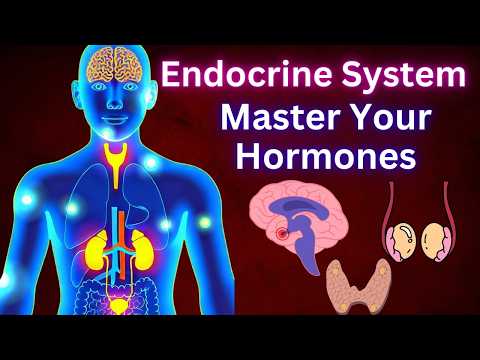
The pituitary gland is often referred to as the “master gland” of the body, and for good reason. This small, pea-sized organ located at the base of your brain plays a critical role in regulating important hormones that control various bodily functions. Think of it as the conductor of an orchestra, ensuring that each musician (or hormone) performs in harmony with one another.
But what exactly does this mighty little gland do? Its influence stretches from growth and metabolism to stress response and reproductive functions. In many ways, our overall health hinges on its performance. Understanding the anatomy and function of the pituitary gland can unlock insights into how our bodies work and how we can manage our health more effectively.
However, it’s important to approach this topic with care. The complexities of human biology mean that information can easily be misinterpreted or oversimplified. Always remember to seek guidance from qualified specialists who can provide you with accurate insights based on scientific evidence. Relying solely on popular media or single sources may lead to misconceptions or confusion about this crucial aspect of our health. Take your time to explore various perspectives, as a well-rounded understanding is key to making informed health decisions.
The information provided in this article is intended solely for general informational and educational purposes. It does not constitute medical advice, diagnosis or professional treatment, and should not be considered a substitute for consultation with a qualified doctor or other licensed healthcare professional. Any health-related decisions should be made in consultation with accredited medical professionals.
While efforts have been made to ensure the information is accurate and up to date, no guarantees are given—either express or implied—regarding its accuracy, completeness, currency or suitability. Use of this information is at your own discretion.
It is strongly recommended to consult official sources such as the NHS (National Health Service) or other recognised medical institutions before acting on any information contained on this website or article. Under no circumstances should professional medical advice be ignored or delayed due to content read here.
This content is of a general and informational nature only. It is not intended to replace individualised guidance from a healthcare professional or to establish any doctor-patient relationship. The publication of this information does not imply any professional responsibility, guarantee or obligation on the part of the author or this site.
Unlocking the Mysteries of Your Body’s Master Hormone Regulator
The pituitary gland is often dubbed the “master gland” of the endocrine system. It’s small, about the size of a pea, but its influence on your body is significant. This little gland sits at the base of your brain and controls various hormonal functions.
Its main job is to produce hormones that regulate other glands, such as the thyroid or adrenal glands. Think of it as a conductor in an orchestra. Each musician (hormone) plays a unique role, and together they create harmony throughout your body.
Here are key hormones produced by the pituitary gland:
Each of these hormones serves specific functions that affect mood, energy levels, and growth. When this balance is disrupted, it can lead to various health issues.
For example, too much growth hormone can cause acromegaly—a condition marked by abnormal growth of bones and tissues. On the other hand, insufficient levels can stunt growth in children or lead to metabolic problems in adults.
What’s fascinating is how interconnected our bodies are. The pituitary gland receives signals from other parts of your brain, particularly from the hypothalamus. If you think of your body as a finely tuned machine, then communication between these areas ensures everything runs smoothly.
Maintaining hormonal balance isn’t just about what you eat or how you exercise; it’s also influenced by sleep and stress management. Chronic stress can lead to increased cortisol production from the adrenal glands—a process regulated by ACTH.
It’s essential for individuals to be aware of how lifestyle choices affect hormonal balance. Changes like adopting healthier eating habits or practicing mindfulness can promote overall well-being.
Ultimately, understanding your body’s master hormone regulator helps you appreciate its complex operations more deeply. Knowledge empowers better decisions about health and wellness practices.
Always remember: if you suspect any hormonal imbalance or health issue related to hormones, consider seeking guidance from healthcare professionals for evaluation and advice tailored specifically for you.
Exploring the Master Control Center of Your Hormonal Balance
The pituitary gland is often called the “master control center” of your hormonal balance. It’s a small, pea-sized gland located at the base of your brain. Despite its size, it plays a giant role in regulating various body functions.
This gland produces and releases hormones that affect many areas of your health. Think of it as a conductor in an orchestra, guiding different hormones to work together harmoniously.
The pituitary is divided into two parts: the anterior and posterior lobes. Each part has specific tasks and releases different hormones.
Oxytocin plays a key role in social bonding and can enhance feelings of trust and connection. Vasopressin helps regulate water balance in your body.
The pituitary’s functions are influenced by signals from the hypothalamus, another critical brain area. You can think of the hypothalamus as the pituitary’s boss, sending instructions based on what your body needs.
When things are out of balance, it can lead to various health issues like obesity or mood disorders. This makes understanding how the pituitary works essential for maintaining overall well-being.
It’s also important to note that our lifestyle choices impact hormonal health. Regular exercise, a balanced diet, and managing stress levels play significant roles.
Some myths suggest that certain diets or supplements can magically fix hormonal imbalances related to the pituitary gland. While nutrition is crucial, there’s no one-size-fits-all solution.
Understanding how this tiny gland operates encourages us to take informed actions regarding our health. Being mindful about what we eat and how we live supports not just our pituitary but our overall hormonal balance too.
In conclusion, while exploring the secrets of the pituitary gland may feel complicated at first, each piece fits into a larger puzzle about our health. Keeping our bodies in tune requires attention to many factors—and knowledge is an essential step towards making responsible health decisions.
Unlocking the Secrets of Your Body’s Master Gland
The pituitary gland is often referred to as the body’s “master gland.” It might be tiny, but its impact on our health is enormous. Located at the base of the brain, it plays a crucial role in regulating many body functions.
This gland controls several other endocrine glands. Think of it as a conductor in an orchestra, directing various instruments to create harmonious music. In this case, those instruments are hormones that affect growth, metabolism, reproduction, and stress response.
Here’s what you need to know about the pituitary gland:
Mood and Stress Response: The pituitary also plays a role in how we respond to stress by regulating adrenal hormones. When you’re stressed, your body needs a certain amount of cortisol to handle it.
Despite its size, even minor issues with the pituitary can lead to significant problems. Conditions like tumors or hormonal imbalances can disrupt its function.
It’s important to remember that everyone’s body is unique. What affects one person may not affect another in the same way. Just like two plants might need different amounts of water or sunlight even if they’re in similar pots.
If you suspect any issues related to hormone balance or growth factors, it’s best to consult with a healthcare provider for proper assessment and guidance.
Understanding your body’s master gland is essential for overall well-being. Knowledge empowers us to make informed decisions about our health while appreciating the complexity of our bodies’ systems.
The pituitary gland, often termed the “master gland,” serves as a critical hub for regulating various bodily functions through hormone production. This small pea-sized organ, located at the base of the brain, controls vital processes such as growth, metabolism, and reproduction by releasing hormones into the bloodstream.
Understanding its anatomy is foundational. The pituitary gland is divided into two main parts: the anterior and posterior lobes. The anterior lobe produces hormones like growth hormone and thyroid-stimulating hormone, while the posterior lobe releases antidiuretic hormone and oxytocin. Each hormone plays a unique role in maintaining homeostasis.
Moreover, it’s fascinating how this gland responds to signals from the hypothalamus—essentially acting like a manager responding to directives from headquarters. This intricate communication system highlights not only its importance but also how disruptions can lead to various health issues.
Recognition of its roles emphasizes why routine health checks are vital. Conditions such as pituitary tumors can disrupt hormonal balance and lead to significant health concerns. Educating ourselves about this critical gland encourages informed decisions regarding our health care.
In summary, exploring the secrets of the pituitary gland deepens our understanding of human biology. This knowledge is essential for recognizing signs of imbalance or dysfunction and empowers us to take active steps towards maintaining our well-being.

