
The information provided in this article is intended solely for general informational and educational purposes. It does not constitute medical advice, diagnosis or professional treatment, and should not be considered a substitute for consultation with a qualified doctor or other licensed healthcare professional. Any health-related decisions should be made in consultation with accredited medical professionals.
While efforts have been made to ensure the information is accurate and up to date, no guarantees are given—either express or implied—regarding its accuracy, completeness, currency or suitability. Use of this information is at your own discretion.
It is strongly recommended to consult official sources such as the NHS (National Health Service) or other recognised medical institutions before acting on any information contained on this website or article. Under no circumstances should professional medical advice be ignored or delayed due to content read here.
This content is of a general and informational nature only. It is not intended to replace individualised guidance from a healthcare professional or to establish any doctor-patient relationship. The publication of this information does not imply any professional responsibility, guarantee or obligation on the part of the author or this site.
Have you ever found yourself tearing up during a movie, or maybe your eyes feel dry and scratchy at the end of a long day? You might not realize it, but your lacrimal glands play a big role in how your eyes feel. These small glands are essential for tear production, which keeps our eyes comfortable and healthy.
You know, the truth is, many people don’t think much about their eye health until something goes wrong. But understanding how your lacrimal glands work can really help you take better care of your vision. In this article, we’ll dive into the anatomy of these glands and explore common issues that can affect them.
We’ll also provide some useful insights on maintaining healthy tear production because, let’s face it—who doesn’t want bright, clear eyes? Remember though, while this information is valuable, it doesn’t replace medical advice. Always consult with a healthcare professional for any concerns regarding your eye health.
So grab a comfy seat—let’s explore the fascinating world of lacrimal glands together!
Unlocking the Secrets of Tear Production and Eye Health
Understanding Tear Production
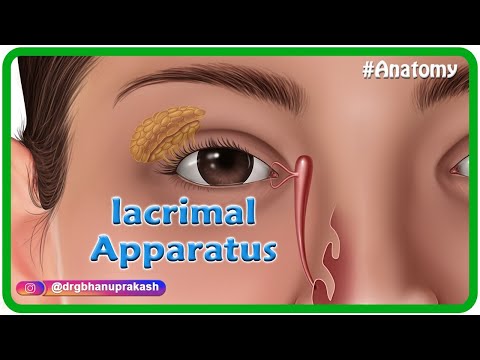
The lacrimal gland is the main player in tear production. It’s located above each eye, near the outer corner. This gland might be small, but it has a big job. It produces tears to keep our eyes moist and comfortable. When we blink, these tears spread across the surface of our eyes.
Why Do We Cry?
Crying isn’t just about feeling sad or overwhelmed. Our glands can produce tears for different reasons. Emotional tears happen when we’re upset or joyful, while reflex tears protect our eyes from irritants like smoke or onions.
Did you know that there are three layers to our tears? The oily layer keeps them from evaporating too quickly. The watery layer is what people usually think of as “tears.” Finally, the mucus layer helps spread everything evenly across your eye.
Lacrimal Gland Anatomy
The lacrimal gland consists of two parts: the main and accessory glands. The main gland does most of the work producing those precious droplets we need daily. Accessory glands help out by adding more moisture when necessary.
These glands have tiny ducts that carry fluids to the surface of your eye. If you’ve ever had a dry eye, you know how crucial they are! Without proper functioning, things can get uncomfortable.
Factors Affecting Tear Production
Several factors can affect how well your lacrimal gland works. Age is a significant one; as we grow older, tear production can decrease—which is why some folks experience dry eyes more frequently.
Certain medications may also impact tear production; for example, antihistamines for allergies are known to sometimes dry you out more than just your nose! Health conditions like autoimmune disorders can also play a role in affecting your tear production and overall eye health.
Maintaining Eye Health
Taking care of your eyes goes beyond just having enough tears. Regular check-ups with an eye care provider are crucial for keeping those peepers healthy! They’ll look at not only your vision but also how well your Lacrimal glands are functioning.
- Stay Hydrated: Keeping yourself hydrated helps maintain tear production too!
- Avoid Irritants: Protecting your eyes from smoke or harsh winds makes a difference.
- Eyelid Hygiene: Clean eyelids can reduce irritation and promote better tear distribution.
- Treat Underlying Conditions: Addressing issues like allergies or sinus problems could improve your symptoms significantly.
Misinformation about Tears
A common myth is that crying makes you feel worse overall—a false notion! Many people find relief after shedding some tears; it’s actually part of how our bodies cope emotional stress.
The bottom line here is simple: understanding how our lacrimal gland functions isn’t just an anatomy lesson—it plays an essential role in maintaining overall comfort in daily life!
Discover the Surprising Hormones Behind Our Tears
Understanding Tears and Hormones
Tears might seem like a simple response to emotions or irritants, but they’re actually tied to a complex interplay of hormones. When we cry, we often feel relief or connection. But what’s really happening behind the scenes?
The Role of the Lacrimal Gland
The lacrimal gland is responsible for tear production. Located above the outer corner of each eye, it releases tears in response to various stimuli. Think of it as a sprinkler system for your eyes—whenever something triggers it, tears flow.
What Triggers Hormonal Changes?
Emotional crying is mostly influenced by hormones like oxytocin and prolactin. These hormones are released during moments of stress or deep emotional experiences. It’s like your body has a built-in signal that says, “Hey, it’s okay to let it out!”
Oxytocin: The Bonding Hormone
Oxytocin is often called the “bonding hormone,” because it’s linked with feelings of comfort and trust. When you’re around loved ones or experiencing something extremely moving, oxytocin levels can surge, leading to more tears.
Prolactin: More Than Just Milk Production
You may know prolactin for its role in milk production during breastfeeding, but it also plays a part in emotional responses. Interestingly enough, higher levels of this hormone are associated with crying spells—it’s like your body is supporting you emotionally whenever you need to express yourself.
Crying vs. Reflex Tears
Crying isn’t just about expressing emotions; there are different types of tears! Reflex tears help wash away irritants like smoke or dust from your eyes—they’re pretty much protective rather than emotional.
A Few Fun Facts About Tears
- Tears contain enzymes that fight bacteria—keeping our eyes healthy.
- The composition of emotional tears differs from reflex tears; they have more hormones!
- Mammals other than humans can cry too; dogs sometimes shed tears when they’re feeling sad!
What Happens if Tear Production Changes?
If your body isn’t producing enough tears due to hormonal imbalances or other health conditions, you might experience dry eye syndrome. This can cause discomfort and affect vision—kinda like having sand in your eye!
Coping With Tear-Related Issues
If you’re noticing changes in how often you cry—or if it’s bothering you—consider speaking with someone about it! It could be related to stressors in life or health issues that need attention.
Final Thoughts on Tears and Emotions
Tears are fascinating both biologically and emotionally. They serve multiple functions beyond just expressing sadness—they’re an integral part of how we connect with ourselves and others. So next time you tear up during that movie scene? Remember there’s so much more going on beneath the surface!
Understanding the Causes and Solutions for Painful Eye Discomfort
Painful eye discomfort can be a real hassle, right? It often stems from a variety of causes, which we can break down into a few main categories. Let’s chat about those and discuss what might help ease the situation.
What are the Common Causes?
Hey, so one major cause is dryness. Your lacrimal glands produce tears that keep your eyes moist. If they’re not doing their job well, it leads to irritation. This can happen due to long screen time or dry environments.
Another reason could be allergies or irritants like dust, smoke, or even pollen. Your eyes may react by getting red and itchy. Ever felt that tickle in your eyes when you’re around someone who smokes? Yes, exactly.
Infections like conjunctivitis, also known as pink eye, are another culprit. This can create not just pain but also discharge and redness. It’s quite unpleasant and contagious too.
What’s Going on with Your Lacrimal Gland?
The lacrimal gland is crucial for tear production—it sits above your eyeball in the outer corner of your eyelid. When it isn’t functioning properly due to environmental factors or health issues, discomfort arises easily.
Potential Solutions for Eye Discomfort
So what can you do if you’re feeling this discomfort? First off, artificial tears might help if dryness is the issue. They mimic natural tears and provide relief from that scratchy feeling.
- Stay Hydrated: Drink water! Dehydration can make everything worse.
- Avoid Allergens: Keep your living space clean and free of dust; consider using air purifiers if you notice allergies kicking in.
- Your Screen Time: Take breaks! The 20-20-20 rule is great—you look at something 20 feet away for 20 seconds every 20 minutes!
When Should You Seek Help?
If over-the-counter options aren’t working or symptoms worsen, then reaching out to a healthcare provider may be necessary. Persistent pain or changes in vision shouldn’t be ignored; it’s always best to play it safe!
The thing is: understanding eye discomfort involves knowing both its causes and potential ways to manage it effectively—whether that’s through simple home care strategies or professional help when needed. Happy eyes lead to happy lives!
The lacrimal gland plays a crucial role in eye health and comfort. It’s responsible for producing tears, which keep the eye moist and help wash away irritants. You’ve probably noticed how emotions can trigger tear production, like crying during a sad movie or tearing up from cutting onions. That’s your lacrimal gland at work.
Anatomically, the lacrimal glands are situated above each eyeball, near the outer corners. They’re small but mighty; each one is about the size of an almond. When functioning properly, these glands produce a steady supply of tears that contain water, oils, and proteins to protect your eyes.
Sometimes though, issues can arise. Dry eye syndrome is one common problem where the glands don’t produce enough tears, leading to discomfort and potential damage to the eye surface. Factors like aging or certain medications can contribute to this condition.
It’s important to understand how factors like environmental conditions—say, wind or dry air—can affect tear production too. Think about times when you’ve been in an air-conditioned room for long periods; you might feel your eyes getting dry and scratchy.
Looking after your lacrimal health means keeping hydrated and being mindful of your environment. If you notice persistent discomfort or dryness, consulting with a healthcare professional can help identify underlying issues.