Have you ever noticed how your energy levels, cravings, and even mood can fluctuate throughout the month? It’s not just in your head—these changes are tied to your hormonal cycle. The concept of cycle syncing invites you to align your food choices and fitness routines with the unique phases of your menstrual cycle. By doing so, many believe you can optimize health, boost energy, and potentially ease some discomforts linked to hormonal changes.
Think of it like tuning a musical instrument. Just as each note resonates differently at various times, our bodies respond differently to foods and exercises during different phases. For instance, you may feel more energized during ovulation and crave more carbs during menstruation. By leveraging these natural rhythms, you might find a greater sense of balance and well-being.
However, it’s vital to approach cycle syncing with care. The science behind it is still evolving, and not every suggestion will work for everyone. Always consult with professionals such as gynecologists or nutritionists who understand individual needs. Engage with resources from trusted sources rather than one-size-fits-all approaches online. Make informed decisions to ensure that any changes fit your unique health journey!
The information provided in this article is intended solely for general informational and educational purposes. It does not constitute medical advice, diagnosis or professional treatment, and should not be considered a substitute for consultation with a qualified doctor or other licensed healthcare professional. Any health-related decisions should be made in consultation with accredited medical professionals.
While efforts have been made to ensure the information is accurate and up to date, no guarantees are given—either express or implied—regarding its accuracy, completeness, currency or suitability. Use of this information is at your own discretion.
It is strongly recommended to consult official sources such as the NHS (National Health Service) or other recognised medical institutions before acting on any information contained on this website or article. Under no circumstances should professional medical advice be ignored or delayed due to content read here.
This content is of a general and informational nature only. It is not intended to replace individualised guidance from a healthcare professional or to establish any doctor-patient relationship. The publication of this information does not imply any professional responsibility, guarantee or obligation on the part of the author or this site.
Align Your Plate with Your Cycle for Optimal Energy and Wellness
Understanding how your menstrual cycle works can open up new ways to boost your energy and wellbeing. It’s like tuning a guitar; when every string is in harmony, the sound is beautiful.
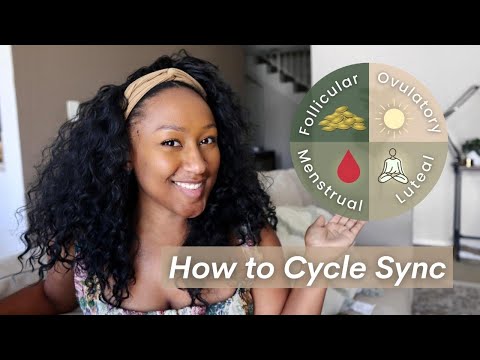
The menstrual cycle has four phases: menstruation, follicular, ovulation, and luteal. Each phase brings different hormonal shifts. These changes can influence your energy levels, cravings, and even emotional wellbeing.
During **menstruation**, the body sheds the uterine lining. Energy might feel low during this time. Focus on comforting foods. Think warm soups and rich iron sources like lentils or spinach to combat fatigue.
Next comes the **follicular phase**. Estrogen levels rise here, which often means more energy. This is a great time for lighter meals such as salads with plenty of veggies or smoothies packed with fruits. Your body craves vitality!
Then we reach **ovulation**, where energy peaks thanks to high estrogen levels. It’s perfect for intense workouts or social activities. Eat foods that support physical performance—think whole grains and lean proteins like chicken or fish.
Finally, in the **luteal phase**, progesterone rises. This can lead to increased cravings for carbs or sugar due to fluctuating hormones. Consider wholesome carbs like sweet potatoes or whole grain pasta that offer lasting energy without spikes in blood sugar.
To align your plate with your cycle:
Don’t forget hydration! Water plays a crucial role throughout all phases.
Remember: everyone’s cycle is unique! You may have to experiment to find what works best for you personally.
Listening to what your body needs is vital. If unsure about specific dietary changes or health concerns, consulting a healthcare professional can provide personalized advice tailored just for you.
Incorporating these insights into daily life may not only enhance your energy but also contribute positively to overall wellness over time!
Exploring the Connection Between Your Cycle and Hormonal Harmony
Understanding the connection between your menstrual cycle and hormonal balance can be enlightening. Each phase of your cycle plays a unique role in how your body feels and functions.
The menstrual cycle typically lasts around 28 days, though it can vary widely. It consists of four main phases: the **menstrual phase**, **follicular phase**, **ovulation**, and **luteal phase**. Each of these phases is influenced by hormones like estrogen and progesterone.
Menstrual Phase: This is when you have your period, signaling the shedding of the uterine lining. Hormones are at their lowest, which may cause fatigue or mood changes.
Follicular Phase: After menstruation, estrogen levels start to rise as the body prepares for potential ovulation. You may feel more energetic and motivated during this time.
Ovulation: This phase typically occurs around day 14. Estrogen peaks, leading to a surge in energy and libido. It’s nature’s way of optimizing chances for conception.
Luteal Phase: After ovulation, progesterone rises to prepare the uterus for a possible pregnancy. If you’re not pregnant, hormone levels drop, leading to premenstrual symptoms like bloating or mood swings.
So how does food play into this? Different nutrients can support these hormonal shifts. For example, incorporating healthy fats during the luteal phase might help alleviate some PMS symptoms by supporting hormone production.
Engaging in different types of exercise can also align with your cycle phases.
Some people practice “cycle syncing,” which means adjusting their diet and fitness routine according to their cycle phases to promote hormonal harmony.
However, it’s important to note that each person’s experience is unique. What works for one person might not work for another due to individual differences in hormones and lifestyle factors.
Always keep an open mind about how your body responds throughout different phases. Listen closely; it often knows what it needs! Taking small steps toward understanding your cycle can lead to better health decisions over time.
In conclusion, exploring this connection between your menstrual cycle and hormones opens up fascinating possibilities about wellbeing through food and movement choices! Being aware of these patterns may empower you on your health journey.
Navigating Your Body’s Rhythms for Optimal Well-Being
Understanding your body’s natural rhythms can be key to feeling your best. Just like a plant flourishes with the right amount of sunlight and water, your body thrives when aligned with its own cycles. One important area to consider is hormonal cycles.
Women often experience monthly hormonal fluctuations. These can influence mood, energy, and even cravings. Cycle syncing is a way to tailor food and fitness around these changes. It’s about recognizing the different phases of the menstrual cycle and adjusting habits accordingly.
The menstrual cycle has four main phases:
By syncing your diet with these phases, you can support better well-being. For instance:
– During the menstrual phase, focus on iron-rich foods like spinach or legumes to replenish nutrients.
– In the follicular phase, incorporate fresh fruits and vegetables for their energizing benefits.
– Around ovulation, lean proteins can help sustain high energy levels.
– In the luteal phase, complex carbs might help combat cravings and stabilize mood.
Fitness routines can also adapt to these cycles. Gentle activities like yoga may feel good during menstruation. As you move into the follicular phase, try more intense workouts.
Listening to your body is critical here. Everyone’s rhythms are unique; what works for one person may not work for another. Keep track of how you feel at different stages of your cycle.
It’s easy to fall into myths about hormones or diet fads. Remember that there’s no one-size-fits-all answer in health decisions. Do research from reliable sources when considering changes to diet or exercise.
In conclusion, aligning your lifestyle with your body’s natural rhythms can foster greater well-being over time. It empowers you to make informed choices based on how you feel throughout your cycle. By understanding these concepts better, you’re taking an important step toward enhancing your health naturally and mindfully!
Cycle syncing is a fascinating concept that revolves around aligning our food and fitness choices with the various phases of the menstrual cycle. It’s grounded in the idea that hormonal fluctuations throughout the month can influence how our bodies respond to nutrition and exercise.
Understanding your cycle can be empowering. For example, during the follicular phase, when estrogen rises, many experience increased energy levels. This might be an optimal time for high-intensity workouts or trying new exercise routines. Conversely, during the luteal phase, hormonal shifts may lead to fatigue or cravings, suggesting a more gentle approach to fitness and perhaps more nourishing foods.
Eating in sync with your cycle emphasizes whole foods that support hormonal balance. For instance, incorporating iron-rich foods like spinach during menstruation can help replenish energy. Similarly, focusing on complex carbohydrates before your period may reduce cravings and enhance mood.
However, it’s crucial to remember that each person’s experience is unique. While some find cycle syncing beneficial, others may not notice significant changes. Listening to your body remains key.
This approach also encourages mindful eating and movement rather than strict dieting or intense training regimens that may not suit everyone’s needs at all times. It promotes a personalized strategy rooted in awareness rather than one-size-fits-all solutions.
Ultimately, while cycle syncing presents interesting ideas about optimizing health through awareness of our natural rhythms, it should complement—not replace—individualized health advice from trusted healthcare sources. Engage critically with this concept and see how it resonates with your own experiences and needs.