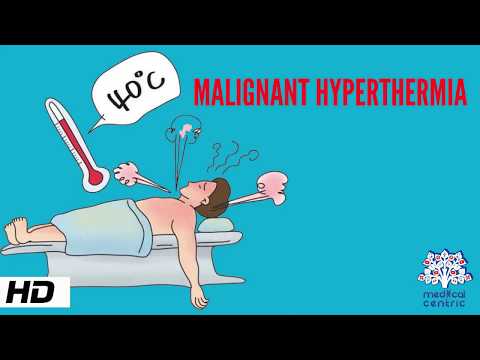
Have you ever felt the sun beating down on you, making your skin feel too hot to touch? This sensation can sometimes go beyond discomfort and lead to a condition known as hyperthermia. Hyperthermia occurs when the body absorbs more heat than it can dissipate. It’s important to understand the signs and symptoms of hyperthermia, as well as the treatment options available.
In this piece, we will explore how hyperthermia can affect your health, from mild cases that simply lead to sweating, to more severe situations that require immediate attention. You’ll learn about its causes, such as high temperatures and vigorous exercise in hot conditions, and how knowing what to look for can make all the difference.
Warning: It’s crucial not to overlook hyperthermia. If left untreated, it can escalate into serious health risks. Always seek advice from healthcare professionals or reputable sources when it comes to understanding this condition fully. Remember, information is your ally; consulting various specialists and informative media will provide a clearer picture of how to stay safe and healthy in extreme heat conditions. Let’s dive deeper into this topic together!
The information provided in this article is intended solely for general informational and educational purposes. It does not constitute medical advice, diagnosis or professional treatment, and should not be considered a substitute for consultation with a qualified doctor or other licensed healthcare professional. Any health-related decisions should be made in consultation with accredited medical professionals.
While efforts have been made to ensure the information is accurate and up to date, no guarantees are given—either express or implied—regarding its accuracy, completeness, currency or suitability. Use of this information is at your own discretion.
It is strongly recommended to consult official sources such as the NHS (National Health Service) or other recognised medical institutions before acting on any information contained on this website or article. Under no circumstances should professional medical advice be ignored or delayed due to content read here.
This content is of a general and informational nature only. It is not intended to replace individualised guidance from a healthcare professional or to establish any doctor-patient relationship. The publication of this information does not imply any professional responsibility, guarantee or obligation on the part of the author or this site.
Recognize the Red Flags Before It’s Too Late
Understanding hyperthermia is crucial, especially during hot months or intense physical activity. This condition happens when the body overheats and can lead to serious health risks if not managed properly. Recognizing the warning signs is essential for timely intervention.
What are the signs of hyperthermia?
Here are some key points to watch for:
It’s vital to listen to your body. If you start feeling any of these symptoms, it’s a red flag. Ignoring them can lead to heat exhaustion or heat stroke, both of which can be life-threatening.
What should you do if you notice these signs?
Here’s a simple plan:
Hydration is critical too. Drink water or electrolyte beverages but avoid caffeine and alcohol as they can worsen dehydration.
If symptoms worsen or don’t improve quickly, seek medical attention immediately. Remember that acting early might prevent more severe health issues later.
In summary, recognizing the red flags of hyperthermia is vital to protect yourself or others. Listen closely to what your body tells you. Stay informed about the risks associated with high temperatures and stay hydrated during hot days!
Finding the Right Approach to Cool Down Your Body and Beat the Heat
When the temperature rises, our bodies can struggle to keep cool. This is especially true during summer months or when engaging in physical activities. Understanding how to cool down effectively is essential to prevent hyperthermia, a condition marked by an elevated body temperature.
Hyperthermia can occur when your body absorbs more heat than it can dissipate. It encompasses a range of conditions, from mild heat exhaustion to severe heatstroke. Recognizing the signs early is key.
Common signs of hyperthermia include:
If you notice these symptoms in yourself or someone else, it’s time to act quickly.
To cool down your body, try several strategies. First, move to a cooler area if possible. Shade or air-conditioned spaces work wonders in reducing body temperature.
Hydration is another crucial aspect. Drinking water helps regulate your internal thermostat and replenishes lost fluids from sweating.
Consider cooling methods like taking a cool shower or bath. You could also soak a cloth in cold water and place it on pulse points like wrists and neck for rapid relief.
Wear light clothing made of breathable fabrics such as cotton. Loose garments allow air circulation and help maintain comfort as temperatures climb.
Limit outdoor activities during peak heat hours, typically between 10 AM and 4 PM. If you must be outside, take frequent breaks in shaded areas.
It’s important to recognize that everyone’s tolerance for heat varies based on factors like age, fitness level, and health conditions. Older adults are generally more susceptible to extreme temperatures.
Many myths surround cooling methods too; for instance, some believe alcohol can help beat the heat. In reality, alcohol can dehydrate you further and hinder your body’s ability to regulate temperature.
Stay informed about the weather forecasts during hot spells so you can plan accordingly. Always listen to your body’s signals—if you’re feeling unwell due to heat exposure, it’s vital to take precautions promptly.
Being aware of hyperthermia and its signs allows us all to enjoy warm days safely while keeping our bodies healthy.
Recognizing the Warning Signs Before It’s Too Late
Hyperthermia is a serious condition that occurs when the body overheats. It’s essential to recognize the warning signs early so you can act quickly. Ignoring these signs can lead to severe health issues.
Normal body temperature usually hovers around 98.6°F (37°C). When it rises above this, your body struggles to cool down. This process relies on sweating and increased blood flow to the skin. However, when conditions are too hot or humid, those systems can fail.
Recognizing the signs of hyperthermia is vital. Here are some key warning signs:
If you notice these symptoms in yourself or someone else, it’s crucial to take action immediately.
First, move to a cooler environment like an air-conditioned room or find shade outdoors. Hydration is also key; drink water or sports drinks if available. Avoid caffeine and alcohol, as they can worsen dehydration.
During hyperthermic conditions, always check for progression into heat exhaustion or heat stroke. Heat exhaustion includes symptoms like heavy sweating and weakness but can escalate quickly if not addressed.
On the other hand, heat stroke is more severe and requires immediate attention. Signs include high body temperature (104°F/40°C), altered mental state, and possible loss of consciousness.
It’s important not to assume that cooler weather means you’re safe from hyperthermia risks. Even mild temperatures with high humidity can lead to overheating.
While prevention is often better than cure, understanding how your body reacts in the heat helps you stay safe during hot days—whether at home or out enjoying activities.
So remember: Listen to your body and stay aware of your surroundings in extreme heat conditions! Always prioritize your safety first!
Hyperthermia is a condition where the body temperature rises significantly above normal levels due to environmental heat or excessive physical exertion. Understanding hyperthermia is crucial, especially as climate change increases the frequency and severity of heat events.
Recognizing the signs of hyperthermia is the first step in addressing it effectively. Symptoms can vary but typically include:
These signs are important because they help individuals identify when immediate action is needed.
Treatment options focus on quickly cooling the body and restoring hydration. Here are effective strategies:
It’s essential to act swiftly as severe hyperthermia can lead to life-threatening conditions such as heatstroke.
Education empowers individuals to recognize risks, particularly for vulnerable populations such as the elderly or those with pre-existing health conditions. Promoting public awareness about hyperthermia prevention—wearing appropriate clothing, taking breaks during hot weather, and staying hydrated—can save lives.
In summary, understanding hyperthermia involves knowing its signs and implementing appropriate treatment methods promptly. By fostering awareness and promoting safety measures, we can better protect ourselves from heat-related illnesses.