Moles are common skin growths that many of us have. While most are harmless, some might want to remove them for aesthetic reasons or due to concerns about skin health. Understanding what to expect before, during, and after mole removal can help ease your mind and guide you in making informed decisions.
In this article, we’ll explore important insights on mole removal—focusing on potential scarring, proper care, and realistic expectations. The process may seem daunting at first, but being equipped with knowledge can transform your experience into a smooth one.
However, it’s crucial to approach this topic thoughtfully. Always consult different specialists—such as dermatologists or plastic surgeons—and gather information from reliable sources. Misinformation can lead to unnecessary anxieties or hasty decisions. Educating yourself through various channels ensures you get a well-rounded view of the process and its implications. Your skin deserves the best care; let’s embark on this journey together!
The information provided in this article is intended solely for general informational and educational purposes. It does not constitute medical advice, diagnosis or professional treatment, and should not be considered a substitute for consultation with a qualified doctor or other licensed healthcare professional. Any health-related decisions should be made in consultation with accredited medical professionals.
While efforts have been made to ensure the information is accurate and up to date, no guarantees are given—either express or implied—regarding its accuracy, completeness, currency or suitability. Use of this information is at your own discretion.
It is strongly recommended to consult official sources such as the NHS (National Health Service) or other recognised medical institutions before acting on any information contained on this website or article. Under no circumstances should professional medical advice be ignored or delayed due to content read here.
This content is of a general and informational nature only. It is not intended to replace individualised guidance from a healthcare professional or to establish any doctor-patient relationship. The publication of this information does not imply any professional responsibility, guarantee or obligation on the part of the author or this site.
Simple Strategies for Minimizing Scars and Promoting Healing
Mole removal can leave a scar, but there are simple strategies to help minimize it and promote healing. Understanding these methods may help you feel more comfortable after the procedure.
First, keeping the area clean is crucial. Use mild soap and water to gently wash the site. Avoid using harsh scrubs or fragrances that could irritate the skin further.
Hydration plays a key role in healing. Keeping your skin moisturized helps support its natural recovery process. You can use an unscented lotion or a recommended ointment to keep it supple.
UV rays can darken scars, making them more noticeable. Try to cover the area with clothing or use a broad-spectrum sunscreen with SPF 30 or higher when exposed to sunlight.
Another helpful tip is avoiding picking at scabs. Scabs are nature’s way of protecting healing tissues underneath. Picking can lead to more noticeable scars.
After the initial healing, consider using silicone gel sheets or topical treatments that are designed for scar reduction. These products often create a barrier that helps soften and flatten scars over time.
Patience is also important in this process. Scars may take time to mature and fade naturally, so don’t be alarmed if they look red or raised initially; this is normal during recovery.
It’s worth noting that every person heals differently due to genetics and skin type. Some may notice less scarring than others despite following similar care routines.
Lastly, if you have concerns about your scar’s appearance as time goes on, consult with a healthcare professional for personalized advice tailored to your situation.
By applying these strategies after mole removal, you could support better healing while minimizing scarring—a step toward feeling confident in your skin again.
What to Expect as Your Skin Heals and Improves Over Time
When you have a mole removed, your skin goes through several stages of healing. Understanding these stages can help you manage your expectations and provide the right care for your skin.
Initially, after the procedure, it’s common to see some swelling and redness around the area. This is your body’s natural response as it starts the healing process. Think of it like a bruise—it’s often part of recovery.
Day 1-3: The first few days are usually when most swelling occurs. You might also notice some oozing or crusting as your skin begins to heal itself. Don’t be alarmed; this is normal.
Week 1: After about a week, much of the redness and swelling should decrease. The area may still feel tender, but you’ll notice improvement in appearance. It’s like watching a flower bloom slowly; each day reveals more beauty.
Weeks 2-4: During this period, new skin cells are forming beneath the surface. You might see some changes in color or texture as the site continues to heal. This is when it can look a bit uneven but hang in there—it’s part of the journey.
Months 1-6: As time passes, scars typically start to fade and smooth out. However, everyone’s skin heals differently because factors like age and genetics play a role here.
To care for your healing skin effectively:
It’s important to remember that patience is key while your skin heals. Don’t rush the process; give yourself time to recover fully.
In conclusion, understanding these stages can empower you during recovery after mole removal. Recognizing what to expect helps reduce anxiety about changes in your skin over time. Stay positive; healing takes time!
Exploring the Healing Journey of Your Skin
Our skin is a remarkable organ. It protects us from the outside world and helps regulate our body temperature. Sometimes, we develop moles. While most are harmless, some may need removal for health reasons or cosmetic preferences.
Removing a mole is often a straightforward process. However, it’s essential to understand what happens next on your healing journey.
After a mole removal, your skin will go through several stages of healing. Initially, you’ll have a small wound where the mole used to be. Your body will start working immediately to repair this area.
The first few days after the procedure may involve some swelling or redness around the site. This is completely normal as it’s part of your body’s natural response to healing.
Scabbing can occur as the skin begins to close up. Resist the urge to pick at it; doing so can lead to infection or increased scarring. Just like repairing a road after construction, your skin needs time and care.
To support your healing process, keep the area clean and moisturized. You might use an ointment suggested by whoever helped with your mole removal.
We all love being in the sun, but think of it like watering a plant; too much water can drown it instead of help it grow.
Time is on your side when it comes to scars. They often fade over months as new skin cells form and old ones slough off.
If you notice any unusual changes during recovery, such as increased redness or pus coming from the site, it’s important to reach out for advice.
As with any aspect of health care, knowledge is power. Understand that everyone heals differently based on various factors like age and overall health.
Listening to our bodies gives us insight into how we’re progressing in our healing journey. It’s always okay to ask questions about what’s happening along the way.
Remember that while you’re focused on healing now, these experiences are also opportunities for personal growth and understanding more about how your body works.
Stay informed and take care as you move forward with confidence in your unique journey!
Mole removal is a common procedure that many people consider for cosmetic or health reasons. Understanding the process and its implications is essential for informed decision-making.
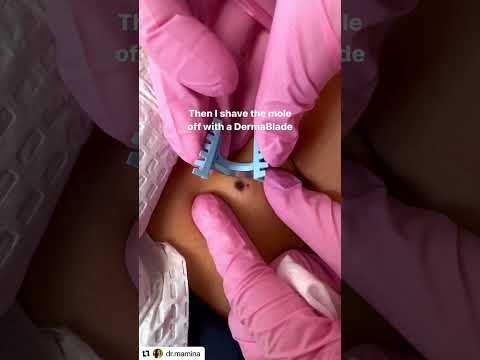
First, it’s important to know that there are different methods for mole removal, including surgical excision and laser treatment. Each method has varying effects on scarring, with surgical excision often resulting in more noticeable scars compared to laser treatments.
After the procedure, proper care of the site is crucial. This includes keeping the area clean and moisturized, and avoiding sun exposure to reduce scar visibility. Just like taking care of a garden after planting seeds, this aftercare helps ensure healthy healing.
Individuals can expect some level of discomfort post-removal, akin to a small bruise. Over-the-counter pain relief can help manage this. It’s also normal for the area to change in appearance as it heals; it may be red initially but usually fades over time.
Communication with the healthcare provider is key. Patients should voice concerns about scarring or any unexpected changes during recovery. This relationship fosters trust and ensures that any lingering questions are addressed.
In summary, being fully informed about mole removal—its techniques, scarring potential, aftercare, and expectations—allows individuals to approach the process with confidence and realistic expectations. Consider each step carefully before proceeding, as your skin is not just an outer layer but also a reflection of your overall well-being.