The information provided in this article is intended solely for general informational and educational purposes. It does not constitute medical advice, diagnosis or professional treatment, and should not be considered a substitute for consultation with a qualified doctor or other licensed healthcare professional. Any health-related decisions should be made in consultation with accredited medical professionals.
While efforts have been made to ensure the information is accurate and up to date, no guarantees are given—either express or implied—regarding its accuracy, completeness, currency or suitability. Use of this information is at your own discretion.
It is strongly recommended to consult official sources such as the NHS (National Health Service) or other recognised medical institutions before acting on any information contained on this website or article. Under no circumstances should professional medical advice be ignored or delayed due to content read here.
This content is of a general and informational nature only. It is not intended to replace individualised guidance from a healthcare professional or to establish any doctor-patient relationship. The publication of this information does not imply any professional responsibility, guarantee or obligation on the part of the author or this site.
Have you ever looked in the mirror and noticed a mole that seems to have changed? Maybe it’s a bit darker or larger than before. You’re not alone. Skin moles are super common, and many of us have them. But, every now and then, it’s natural to wonder: is this mole normal?
This article dives into understanding skin moles—what to look for, what’s usually normal, and when it might be time to see a professional. Knowing the difference can give you peace of mind.
Moles can come in different shapes, sizes, and colors. Usually, they’re just harmless spots that sit on our skin. But sometimes changes in a mole can be signals of something more serious.
So let’s take a closer look at the characteristics of normal versus concerning moles. It’s important to remember that this information doesn’t replace medical advice; always reach out to your healthcare provider if you have questions or concerns about your skin health.
Your well-being is vital, and being informed helps you make better health decisions.
Uncovering the Signs: Recognizing Safe and Suspicious Moles
Understanding Moles: What’s Normal and What’s Not
Moles are common skin features, and most of the time, they’re harmless. Think of them like little badges our skin wears. They come in different shapes, colors, and sizes. But it’s essential to know when a mole is just fine, or if it raises some eyebrows.
Recognizing Safe Moles
Generally, safe moles have a few key characteristics. They’re usually uniform in color—like brown or tan—and have well-defined edges. Picture a round cookie; its smooth edges show it’s baked evenly!
The size of normal moles can vary but often stays smaller than a pencil eraser. If you look closely at them, you’ll notice their surface texture is typically smooth.
What About Suspicious Moles?
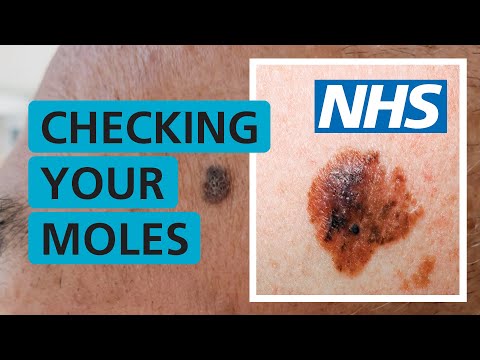
Suspicious moles might break some of those rules we just talked about. Maybe they have uneven coloring—like shades of black or red mixed in—or jagged edges that look more like abstract art than a round cookie.
If a mole changes size or shape over time, that’s something to pay attention too. It’s like if your favorite T-shirt started shrinking mysteriously—it could signal something’s off!
The ABCDE Method: A Handy Tool
- A for Asymmetry: Is one half different from the other?
- B for Border: Are the edges irregular or fuzzy?
- C for Color: Is there more than one color present?
- D for Diameter: Is it larger than 6mm (about the size of a pencil eraser)?
- E for Evolving: Has it changed in appearance recently?
Real-life Examples
You might recall that friend who had a mole that suddenly became darker and larger. In such cases, observing these changes closely is crucial! Seeing a professional about changes can be really helpful.
Sometimes people confuse harmless spots with suspicious ones due to anxiety or lack of information. Educating yourself helps clear out the noise.
Don’t Forget Sun Protection
No matter how safe your moles seem, sun exposure can affect skin health overall! Using sunscreen daily is like putting on armor for your skin; it helps shield against potential damage.
If You’re Unsure, Ask Questions
If you ever feel uncertain about your moles, reaching out to someone knowledgeable is always wise! Get informed opinions from trusted sources—you deserve peace of mind regarding your health.
The bottom line? Most moles are not cause for concern, but being aware empowers you! Happy skin watching!
Unearthing the Science Behind Everyday Skin Marks
Understanding Skin Moles: What You Should Know
Skin moles, or nevi as they’re called in medical terms, are pretty common. Most people have them! They usually appear as small brown spots. But what determines if a mole is normal or a sign of something more serious? Let’s break it down.
What Are Moles Made Of?
Moles are clusters of pigment cells called melanocytes. These cells give our skin its color. Sometimes, moles can be flat, raised, or even hairy. You might notice they change over time—that’s not unusual either.
Normal vs Abnormal Moles
- Color: Normal moles are usually uniform in color—like light brown or tan. If you see different shades within one mole, that could be a concern.
- Shape: A well-defined round or oval shape is typical for normal moles. Irregular edges may signal something more serious.
- Size: Moles smaller than a pencil eraser (about 6mm) are generally considered normal; larger ones should be monitored closely.
- Evolving: If a mole changes in size, shape, color, or starts to bleed, that might need to be checked out by someone who knows their stuff.
The ABCDE Method
A helpful way to remember what to look for involves the ABCDEs:
- A for Asymmetry: One half doesn’t match the other.
- B for Border: Edges are irregular or jagged.
- C for Color: Multiple colors in one mole.
- D for Diameter: Larger than 6 mm.
- E for Evolving: Changing over time.
Your Skin Is Unique
No two people have exactly the same skin markings. That’s part of what makes us unique! It’s normal to have some moles and marks on your skin due to genetics and sun exposure. However, just because something is common doesn’t mean you shouldn’t keep an eye on it.
The Importance of Regular Checks
The thing is—getting into the habit of checking your skin regularly can help spot any issues early on. It’s like looking out for rust on a car; catching it early makes fixes easier!
You’re Not Alone!
If you’ve got concerns about your moles or see any changes that seem unusual—don’t hesitate to reach out to someone who can really help you understand what’s going on with your skin health. Remember that staying informed empowers you!
Your skin tells a story about your overall health and well-being. So keeping track of those little marks can make all the difference down the road!
Unlocking the Secrets Behind Your Skin’s Unique Marks
Understanding Skin Moles
Skin moles are those little marks we see on our skin. They can be brown, black, or even skin-colored. Sometimes, they might seem funny or unique, and it’s totally normal to wonder about them.
What Are Moles Made Of?
Basically, moles are clusters of pigment cells, known as melanocytes. These cells give our skin its color. Think of them like tiny paint spots on a canvas. Most people have between ten to forty moles by adulthood.
Are Moles Normal?
You may be surprised to find out that yes! Most moles are completely normal and harmless. They usually don’t change much over time; they just hang out there quietly.
What Should You Look For?
- Shape: Moles should generally be round or oval.
- Color: A simple brown or black is common; multiple colors can raise eyebrows.
- Size: Small ones (less than a quarter inch) are typical; bigger ones may need checking.
- Borders: Smooth edges are good; uneven borders can sometimes signal issues.
The ABCDE Method
This is a simple way to remember the main signs of what might be concerning about a mole:
- A: Asymmetry – one half doesn’t match the other.
- B: Borders – irregular or scalloped edges can be problematic.
- C: Color – more than two colors might need attention.
- D: Diameter – larger than a pencil eraser could warrant a look.
- E: Evolving – changes in size, shape, or color shouldn’t be ignored.
If In Doubt…
If you notice any changes in your mole or feel concerned about any marks on your skin, it’s always good to consult someone who knows more about this stuff—a health professional, for example. It’s better to ask than worry!
Mole Myths
A few common myths float around about moles. For example, picking at them doesn’t cause cancer—though it’s not a great idea anyway! Similarly, sun exposure can increase the number of moles but not every new mark is harmful.
The Bottom Line
Your moles tell a story—one that reflects your unique skin history! Most of them are perfectly fine and just part of who you are. If you’re ever unsure about one it doesn’t hurt to get an opinion!
Understanding If Your Skin Mole Is Normal: Key Insights
Skin moles, or nevi, are common and typically harmless growths on the skin. But how can you tell if a mole is normal or something to be concerned about? It’s a question many people have.
First off, most moles are benign—meaning they’re not cancerous. However, you should keep an eye on any changes. Moles can vary in color, size, and shape. Normal moles usually have a uniform color and are round or oval in shape.
The ABCDE rule is a helpful tool for assessing moles:
- A: Asymmetry – If you draw a line down the middle of the mole and the two halves don’t match, that’s a red flag.
- B: Border – A smooth border is typical. If it’s irregular or jagged, consider getting it checked out.
- C: Color – A single shade is generally normal. Multiple colors might signal something else.
- D: Diameter – Moles larger than a pencil eraser should be examined by a healthcare professional.
- E: Evolving – If your mole changes in size, shape, or color over time, that’s definitely worth investigating.
If you notice any concerning signs—like bleeding or itching—it’s time to visit a dermatologist. Regular skin checks are also beneficial; think of it like taking your car in for maintenance. Prevention and early detection can really make a difference when it comes to skin health.
Understanding how to monitor your own skin is empowering. Ultimately, trust your instincts; if something feels off with your mole, don’t hesitate to seek professional advice.