The information provided in this article is intended solely for general informational and educational purposes. It does not constitute medical advice, diagnosis or professional treatment, and should not be considered a substitute for consultation with a qualified doctor or other licensed healthcare professional. Any health-related decisions should be made in consultation with accredited medical professionals.
While efforts have been made to ensure the information is accurate and up to date, no guarantees are given—either express or implied—regarding its accuracy, completeness, currency or suitability. Use of this information is at your own discretion.
It is strongly recommended to consult official sources such as the NHS (National Health Service) or other recognised medical institutions before acting on any information contained on this website or article. Under no circumstances should professional medical advice be ignored or delayed due to content read here.
This content is of a general and informational nature only. It is not intended to replace individualised guidance from a healthcare professional or to establish any doctor-patient relationship. The publication of this information does not imply any professional responsibility, guarantee or obligation on the part of the author or this site.
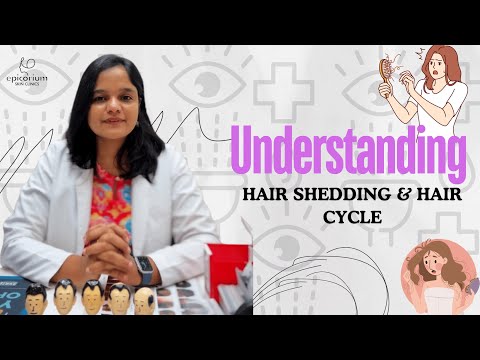
Have you ever noticed more hair on your brush than usual? Or maybe you’ve found a bunch of strands on your shirt after a long day? You’re not alone. In fact, it’s normal to shed around 50 to 100 hairs every day.
But what happens when that shedding feels excessive? Suddenly, those innocent little strands can spark worries about hair loss. This can often feel overwhelming and confusing.
This article dives into the world of normal hair loss versus concerning shedding. We’ll explore the reasons why this happens and when it’s time to take a closer look. You’ll discover if your experience is something to worry about or just part of life.
Understanding this topic matters because, for many, hair is tied closely to self-image and confidence. Knowing what’s happening can help you feel more secure in your choices regarding care and treatment.
Just remember, while this information is helpful, it doesn’t replace professional medical advice. Always consult with a healthcare professional before making any decisions about your health.
Understanding Daily Hair Shedding in Men: What’s Normal and What’s Not
Understanding Daily Hair Shedding in Men
Hey there! Let’s talk about hair shedding. It’s a pretty normal thing, but sometimes it can cause concern. So, how do we know what’s normal and what’s not? Let’s break it down.
What Is Normal Hair Shedding?
Everyone loses hair, and for men, losing about 50 to 100 strands a day is generally considered normal. Think about it like this: our hair has a lifecycle. It grows, rests, and then falls out before new hair takes its place.
The reason behind daily shedding can be due to various factors like stress, diet changes or even the weather. Ever notice how your hair seems to shed more when you’re stressed? That’s because stress affects the hair growth cycle!
When Does Shedding Become a Concern?
If you start noticing clumps of hair coming out while you’re showering or brushing your hair, that could be a red flag. Increased shedding that results in visible thinning requires attention.
- If your scalp is showing more than usual or you’re finding bald patches.
- If your hair feels thinner when you run your fingers through it.
These might signal conditions like androgenetic alopecia (that’s just fancy speak for male pattern baldness) or other underlying issues.
Common Causes of Excessive Hair Shedding
A few common reasons for excessive shedding include:
- Genetics: If balding runs in the family, chances are you might face similar issues.
- Poor Nutrition: Lacking essential vitamins and minerals can weaken your hair.
- Medical Conditions: Certain diseases like thyroid disorders can lead to extra shedding.
- Meds: Some medications have side effects that include hair loss—always check with what you’re taking!
How to Address Concerns?
If you’re worried about excessive shedding, it’s wise talk to someone knowledgeable. They can help figure out if there’s an underlying issue at play. Sometimes adjusting diet or tweaking lifestyle habits helps!
You might also want to consider gentle shampoos and avoid harsh treatments that could damage your strands further. But remember: less isn’t always more when it comes to products; moderation is key!
The Bottom Line
A little shedding is part of life—it doesn’t mean you’re destined for baldness! Keep an eye on any shifts in your pattern though, as those could indicate something deeper going on. Take care of yourself and don’t hesitate reach out if things feel off!
A Visual Journey Through a Century of Strands
Understanding hair loss is kind of like watching the seasons change. Sometimes, it’s just a part of life, and at other times, it can be alarming. So, let’s take a closer look at what normal hair shedding looks like versus when it becomes something to worry about.
Normal Hair Shedding
First off, it’s totally normal to lose some hair each day. In fact, most people shed about 50 to 100 strands daily. Think of it as your body’s way of refreshing itself. Hair goes through cycles—growing, resting, and falling out.
Each strand has its own schedule. Just like how leaves fall in autumn, your hair will naturally come out as part of its life cycle. Look at your comb or pillow; a few hairs here and there? No big deal!
When Shedding Becomes a Concern
However, if you notice clumps of hair or bald patches appearing, that could signal an issue worth exploring. This might be caused by various factors such as stress or an underlying medical condition.
For example, after childbirth or major surgeries, many women experience increased shedding. Also, conditions like thyroid problems can affect how much hair you lose.
The Role of Genetics
You know how some families pass down traits? Think blue eyes or curly hair—well, genetics can also dictate how your hair behaves over time. Male and female pattern baldness are quite common and often run in families.
If your parents experienced thinning hair early on, there’s a chance you might too!
Nourishment Matters
Your diet plays a key role in the health of your strands. Nutrients like vitamins A and D along with iron are vital for keeping those locks strong! If you’re not getting enough from food alone—it might lead to dullness or even extra shedding.
Stress: The Silent Hair Thief
Lets face it; stress can wreak havoc on our bodies in so many ways! When we’re under pressure—be it from work or personal issues—it can trigger something called telogen effluvium (fancy term for temporary shedding). This usually resolves once stress levels drop!
The Bottom Line
If you’re worried about changes in your hair pattern—especially if you’re losing more than usual—it could help to chat with someone who knows the ropes! Keeping an eye on overall health is crucial since our bodies often show signs when something’s not quite right.
- A little daily shedding? Totally okay!
- Sudden clumps falling out? Time to investigate.
- Nutrient-rich foods make happy hairs!
- Your emotions may influence what’s going on up top.
The journey through understanding our strands shows us that while some loss is natural—it’s essential to listen to what our bodies are telling us along the way! Remember that taking care of yourself holistically is key—not just focusing on head!
Understanding Everyday Hair Shedding in Women
Hey there! Let’s chat about something that can be pretty concerning for many women: hair shedding. First off, it’s totally normal to lose some hair every day. In fact, on average, people can shed anywhere from 50 to 100 strands a day. But when does this everyday shedding become a sign of something more serious? Let’s break it down.
What is Normal Hair Shedding?
Hair goes through cycles just like everything else in our bodies. There are periods of growth, rest, and shedding. Think of it this way: your hair is like a garden. You plant seeds, they grow, and eventually, you have to prune them to keep things healthy.
During the growing phase, which can last several years, your hair is busy getting longer and stronger. After that comes the resting phase where no new growth happens. Finally, the shedding phase takes place—this is when old hairs fall out to make room for new ones.
When Should You Be Concerned?
If you notice clumps of hair in your shower drain or on your brush, it might give you pause. A sudden increase in shedding could indicate a few things—from stress and hormonal changes to nutritional deficiencies or even medical conditions.
- Stress: High stress can trigger a reaction called telogen effluvium where more hairs than usual enter the shedding phase.
- Hormonal changes: Pregnancy or menopause can lead to fluctuations that affect hair growth.
- Nutritional deficiencies: Not getting enough vitamins like iron or biotin might cause hair loss too.
A Real-Life Example
You know how sometimes after being sick you notice more hairs falling out? That’s just your body responding to stressors. It takes time for things to balance out again and for your hair cycle to return to normal.
Caring for Your Hair
If you’re worried about excessive shedding, consider small lifestyle changes that might help. Eating a balanced diet rich in vitamins is key—think leafy greens and nuts! Plus, managing stress through relaxation techniques like yoga or meditation can be beneficial too.
The Bottom Line
A little bit of daily hair loss is usually nothing to fret over; it’s part of life! However if you’re experiencing drastic changes in your hair health or pattern of loss over time then it might be worth talking with someone who knows more about these issues. Keep an eye on what’s happening with your body as each person’s situation varies quite a bit!
Your hair often tells stories about overall health; listening closely will inform you if there’s anything worth addressing down the line!
Understanding normal hair loss can sometimes feel confusing. We all lose hair daily; it’s a natural process. On average, it’s totally normal to shed around 50 to 100 hairs each day. Think of it like leaves falling from a tree in autumn, right? They fall, but the tree continues to thrive.
However, when shedding becomes excessive, it raises concerns. If you notice clumps of hair in your brush or patches on your scalp, it might be time to take a closer look. Various factors can lead to increased hair loss, such as stress, poor nutrition, hormonal changes, or even genetics.
In this context, understanding the distinction between normal and concerning hair loss is crucial. For instance, if you recently had a stressful life event or dramatically changed your diet, your body might react by shedding more hair.
There are also conditions like androgenetic alopecia—commonly known as male or female pattern baldness—that can contribute to noticeable thinning over time. It’s essential to recognize these signs early on so that you can explore potential treatments or lifestyle adjustments.
Ultimately, being aware of what’s considered normal versus what could require further attention is key. Consulting with a healthcare provider for personalized advice can provide clarity and reassurance if you’re ever unsure about your hair health.