The information provided in this article is intended solely for general informational and educational purposes. It does not constitute medical advice, diagnosis or professional treatment, and should not be considered a substitute for consultation with a qualified doctor or other licensed healthcare professional. Any health-related decisions should be made in consultation with accredited medical professionals.
While efforts have been made to ensure the information is accurate and up to date, no guarantees are given—either express or implied—regarding its accuracy, completeness, currency or suitability. Use of this information is at your own discretion.
It is strongly recommended to consult official sources such as the NHS (National Health Service) or other recognised medical institutions before acting on any information contained on this website or article. Under no circumstances should professional medical advice be ignored or delayed due to content read here.
This content is of a general and informational nature only. It is not intended to replace individualised guidance from a healthcare professional or to establish any doctor-patient relationship. The publication of this information does not imply any professional responsibility, guarantee or obligation on the part of the author or this site.
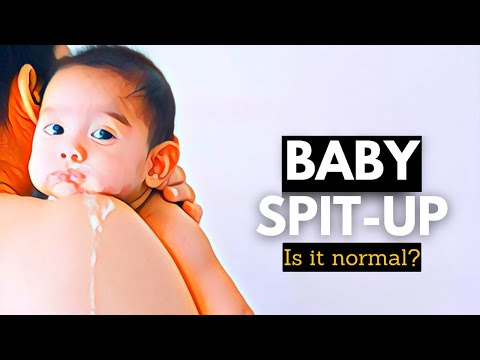
Have you ever been startled by a sudden bout of baby spit-up? It’s surprising how often it happens! Many parents feel a mix of confusion and worry. Is this normal? Should I be concerned?
The reality is that spit-up can be a common part of infancy. Most babies experience it at some point, and for many, it’s just a messy phase of life. But when is it just that—a mess—and when could it signal a problem?
This article will help you understand the ins and outs of baby spit-up. We’ll dive into what causes it, what’s considered typical, and when you might need to check in with your doctor.
Every baby is different, and knowing what’s normal for your little one can make all the difference in easing your mind. Remember, though—while this content provides helpful insights, it’s not a substitute for professional medical advice. Always reach out to your healthcare provider if you’re worried about your baby’s health.
Let’s get started on this journey through the world of baby spit-up!
Navigating Your Little One’s Appetite and Discomfort
Babies can be quite the mystery, can’t they? Especially when it comes to their eating habits. One common concern among parents is spit-up. So, let’s break that down a bit.
What is Baby Spit-Up?
Spit-up is basically what happens when babies bring some milk back up after feeding. It’s often more about the liquid being pushed back out than actual vomiting. Sometimes it looks like a little fountain; other times, just a gentle drizzle.
Is It Normal?
Honestly, yeah—it’s pretty normal for infants. Most babies spit up at some point, usually after feedings. In fact, it’s so common that many parents learn to keep cloths handy for those unexpected moments.
When Should You Be Concerned?
If your baby seems happy and grows normally, then spit-up usually isn’t an issue. However, if you notice them arching their back or appearing really uncomfortable after eating which could suggest reflux issues—or if there’s any blood in the spit-up—that might be a good time to reach out for some guidance.
What Causes Spit-Up?
- Immature Digestive System: Babies’ tummies are still learning how to handle food.
- Overfeeding: Sometimes we think they want more than they really do.
- Poor Positioning: If they’re lying flat during or right after feeding, things might come back up easier.
Tips for Managing Spit-Up
- Burp Often: Take breaks during feeds to help release air bubbles trapped in their tummy—this can reduce spit-up later.
- Keep Upright: Hold your baby upright for about 30 minutes after feeding; this can help keep the milk where it belongs!
- Avoid Tight Diapers: A snug diaper could press on their tummy and make things worse.
The Bottom Line
Your little one’s health journey has lots of ups and downs—including spit-up! Trust your instincts as a parent: if something feels off or you’re worried about anything specific, it’s always okay to ask for advice. Parenting doesn’t come with an instruction manual—but sharing experiences definitely helps!
You’re not alone in navigating these challenges. Every baby is different, just like every experience is unique. Keep observing your little one closely; they’ll tell you what they need in their own way!
Understanding Your Baby’s Curled Milk Spit-Up: What It Means and What to Do
Understanding Your Baby’s Curled Milk Spit-Up
Hey there! If you’ve noticed your baby’s milk spit-up looking a bit lumpy or curled, you’re not alone. This can be quite common among infants. But what does it mean? Let’s break it down.
What Is Spit-Up Exactly?
Spit-up is basically when your baby regurgitates some milk after feeding. It’s pretty normal for little ones, especially during those early months. Their tiny tummies are still figuring things out.
Why Does It Curl?
The curdled texture happens when the milk interacts with stomach acids. You know how if you leave milk out too long, it can start to curdle? Well, a similar thing occurs inside your baby’s tummy. The milk combines with digestive juices and forms clumps.
Is It Normal?
Yes, curled spit-up is usually normal and often harmless. Most babies experience spit-up as part of their growth journey. However, if you’re ever worried about how much or how often your baby spits up, it’s always good to chat with someone who knows more about it.
When Should You Be Concerned?
- If the spit-up is green or yellow
- If there’s blood in the spit-up
- If your baby isn’t gaining weight properly
- If they seem unusually fussy or uncomfortable
What Can You Do About It?
You know, keeping your baby upright for a bit after feeding can help reduce spit-up episodes. Also, smaller feedings more frequently might do the trick too! It’s like trying to fill a small cup rather than a big one all at once.
Burping Techniques
This one’s important! Burping your baby during and after feeds helps release any trapped air in their tummy, which could contribute to spitting up. A little gentle pat on the back usually works wonders.
A Quick Note on Fussiness
If you notice that your baby seems unhappy after meals but isn’t sick or showing signs of distress, they are probably just adjusting to their new eating habits like every little one does!
Your Next Steps
If you’re feeling unsure about any aspect of caring for your baby’s feeding habits and spit-ups—or anything else—don’t hesitate to reach out for advice from healthcare professionals who can guide you through these infant challenges while providing support.
Remember, every baby is unique! Take notes on patterns you observe; it’ll be helpful info if you ever need to discuss things with someone else later on.
Understanding Sudden Changes in Your Baby’s Spit-Up Patterns
Hey there! If you’re a new parent, you might have noticed your baby occasionally spitting up. It’s totally normal for infants to do this, but sometimes you might see sudden changes in the patterns. Let’s dive into what those changes can mean.
What’s Normal?
First off, it’s important to understand what “normal” looks like when it comes to spit-up. Many babies spit up after feeding—sometimes quite a bit! Typically, this is just their way of getting rid of extra milk or air. This is often called “possetting.” Most babies outgrow it by their first year.
Sudden Changes: What Could They Indicate?
Now, if your baby’s spit-up habits suddenly change—like going from regular amounts to huge amounts or becoming more frequent—it might raise some questions. But remember, not every change means something serious.
- Feeding Style Changes: Have you changed how you’re feeding? Maybe going from breastfeeding to formula? Sometimes these shifts can lead to different spit-up patterns.
- Belly Issues: If your little one seems uncomfortable or fussy along with the spit-up changes, it could be gas or acid reflux. Think of it like your baby’s tummy trying to figure things out.
- Growth Spurts: Babies grow fast! During growth spurts, they may eat more and then have more spit-ups as a result.
When Should You Worry?
If the sudden changes are accompanied by other concerning signs, then it’s worth paying attention to. For example:
- If your baby isn’t gaining weight properly or losing weight.
- If they’re spitting up with force—like a fountain (this is called projectile vomiting).
- If there’s blood in the spit-up or if it looks greenish-colored.
If any of these happen, reaching out to someone who knows baby health is a good idea.
A Few More Considerations
You know how babies are all unique? Well, that includes their digestive systems too. Each one has its own rhythm and preferences. One day they might be fine with one type of formula; the next day? Not so much!
The thing is not every change means alarm bells need ringing! Tracking when and how often it happens can help paint a clearer picture for anyone who provides advice later on.
Your Calm Matters
Your peace of mind counts too! Watching for any sudden shifts can feel overwhelming at times but staying observant rather than panicked helps everyone involved—including you and your little one!
The bottom line here: it’s usually alright if your baby’s spit-up patterns change slightly as long as they’re happy and healthy otherwise. Keeping an eye on those fluctuations will help you both tackle this phase together!
Understanding baby spit-up can be a real puzzle for new parents. It’s common to see little ones spit up after feedings. This phenomenon, often called “reflux,” is usually normal, but it can raise some eyebrows.
In most cases, spit-up occurs because babies have immature digestive systems. Their stomachs are tiny, and sometimes they just can’t hold in all that milk or formula. Think of it like a filled balloon; if you overfill it, some will spill out.
Most infants outgrow spit-up as their digestive systems mature—usually by around 12 months. However, it’s worth noting that frequent or forceful vomiting could signal something more serious. Conditions like gastroesophageal reflux disease (GERD) may require medical evaluation.
If your baby seems to be gaining weight well and is otherwise healthy, occasional spit-up isn’t typically alarming. Paying attention to their behavior and growth can give you peace of mind.
Parents should also consider feeding practices. Keeping the baby upright during and after feedings may help minimize spit-up episodes. Every child is different; some might just be more prone to spitting up than others.
If there’s ever doubt or concern about your baby’s spit-up patterns—especially if they’re accompanied by other symptoms—a chat with a healthcare provider is always a good idea. After all, being informed helps reduce anxiety.