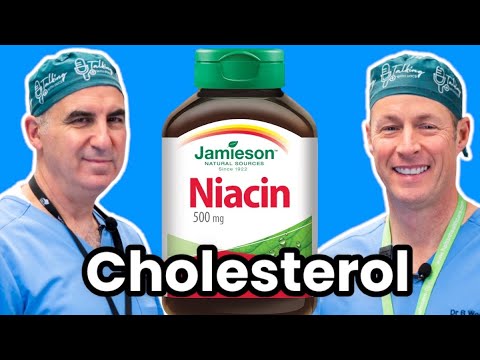
Niacin, also known as vitamin B3, is a powerhouse nutrient that plays numerous roles in our bodies. It aids in converting food into energy, supports skin health, and contributes to the nervous system’s function. But like any supplement, niacin comes with both benefits and risks. Understanding these aspects is crucial for anyone considering its use.
In this exploration of “Niacin Benefits and Risks: Your Path to Better Health,” we’ll delve into how niacin can support your well-being while also highlighting potential side effects and concerns. It’s fascinating how one vitamin can impact so many areas of our lives—almost like having a multi-tool for health!
However, it’s vital to tread carefully. Niacin isn’t a “one-size-fits-all” solution. Some people may experience side effects such as skin flushing or stomach upset, while large doses can lead to more serious health complications. Always seek knowledge from various specialists and reliable sources when considering any supplement or lifestyle change. Equip yourself with information from different media to ensure your decisions are informed and safe. Your health journey deserves careful consideration!
The information provided in this article is intended solely for general informational and educational purposes. It does not constitute medical advice, diagnosis or professional treatment, and should not be considered a substitute for consultation with a qualified doctor or other licensed healthcare professional. Any health-related decisions should be made in consultation with accredited medical professionals.
While efforts have been made to ensure the information is accurate and up to date, no guarantees are given—either express or implied—regarding its accuracy, completeness, currency or suitability. Use of this information is at your own discretion.
It is strongly recommended to consult official sources such as the NHS (National Health Service) or other recognised medical institutions before acting on any information contained on this website or article. Under no circumstances should professional medical advice be ignored or delayed due to content read here.
This content is of a general and informational nature only. It is not intended to replace individualised guidance from a healthcare professional or to establish any doctor-patient relationship. The publication of this information does not imply any professional responsibility, guarantee or obligation on the part of the author or this site.
Exploring the Good and the Bad of This Essential Nutrient
Niacin, also known as vitamin B3, is a nutrient that plays a vital role in our overall health. It helps convert food into energy and supports the function of the nervous system and the skin.
Benefits of Niacin are numerous.
Despite these benefits, there are also risks associated with niacin.
It’s important to note that not everyone needs to take niacin supplements. Most people get enough of this nutrient through their diet. Foods rich in niacin include chicken, turkey, fish, nuts, and legumes.
Before considering supplements, think about your dietary habits first. If you’re questioning whether you need more niacin, it’s a good idea to talk to someone knowledgeable about nutrition.
In summary, while niacin has its perks for health—especially regarding energy metabolism and cholesterol management—it also comes with potential downsides when taken in excess. Be informed and make careful choices about your nutrient intake for better health outcomes.
Unlocking the Benefits of Niacin: Discover Its Surprising Uses and Advantages
Niacin, also known as vitamin B3, is a water-soluble vitamin that plays a crucial role in our health. It helps convert food into energy and supports many bodily functions. Understanding its benefits and risks can help you make informed health choices.
One of the main benefits of niacin is its impact on cholesterol levels. It can raise high-density lipoprotein (HDL), often referred to as “good” cholesterol. Higher HDL levels are associated with a lower risk of heart disease.
Niacin may also have positive effects on skin health. It has been found to improve conditions like acne and reduce redness from sun exposure. Think of it as an ally for your skin.
Another interesting use of niacin involves brain health. Some studies suggest that it might help protect against cognitive decline as we age. Imagine it nurturing your brain cells like fertilizer boosts plant growth.
However, just like anything else in life, moderation is key with niacin too. Taking too much can lead to side effects like flushing, which is when your skin feels warm and turns red. This happens because niacin causes blood vessels to enlarge temporarily.
Additionally, there are some potential risks for certain individuals, especially those with liver issues or specific medical conditions. It’s essential to be mindful if you’re considering supplements.
If you’re thinking about adding more niacin to your diet, food sources include meat, fish, eggs, nuts, and whole grains. These are tasty ways to increase your intake without the risk of overdoing it.
Key points about niacin include:
Always remember that while niacin has benefits, every individual’s needs differ. What works for one person may not work for another.
Before making any significant changes to your diet or considering supplements, it’s wise to consult a healthcare professional who can provide personalized guidance tailored just for you.
In summary, unlocking the benefits of niacin opens doors to better understanding its role in health. Approaching this vitamin with curiosity and care can lead you toward better choices aligned with your overall well-being.
Exploring the Benefits and Risks of Daily Niacin Use
Niacin, also known as vitamin B3, plays a key role in converting food into energy. It’s important for skin health, digestion, and even the nervous system. But what happens when people take niacin daily? Let’s explore the potential benefits and risks.
Benefits of Daily Niacin Use:
While these benefits are promising, it’s crucial to consider the risks too.
Risks of Daily Niacin Use:
It’s vital to understand that not everyone needs extra niacin through supplements. Most people get enough from a balanced diet rich in meat, fish, poultry, nuts, and whole grains.
Always think critically about using dietary supplements like niacin daily. Talk to trusted sources or healthcare providers before starting any new regimen.
In conclusion, while daily niacin use has potential benefits for managing cholesterol and boosting energy levels, it’s equally essential to be aware of its risks. Consider your individual health needs before deciding if it’s right for you.
Niacin, also known as vitamin B3, has significant benefits and potential risks. Understanding this nutrient is crucial for making informed health choices.
Benefits of Niacin:
However, relying solely on niacin for better health can be risky. High doses often lead to side effects like flushing, itching, or gastrointestinal issues. More severe effects can include liver damage when taken in excessive amounts over time.
It’s essential to consult with a healthcare professional before starting niacin supplementation, especially if you have underlying health conditions or are taking other medications.
Incorporating niacin through a balanced diet rich in meats, fish, nuts, and whole grains is usually safe and effective. Whole foods provide a range of nutrients that support overall wellness without the risks associated with high-dose supplements.
Ultimately, while niacin can play a role in promoting better health, it’s vital to approach its use thoughtfully and informatively. Education empowers us to make healthier choices for ourselves and our families.