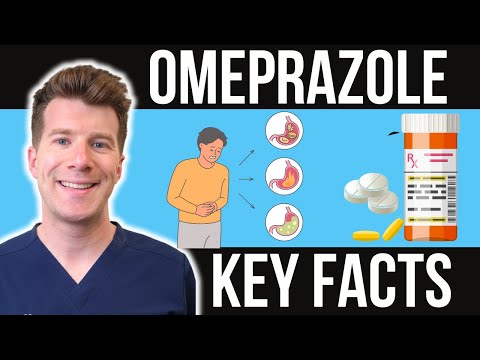
Have you ever experienced that uncomfortable burning sensation in your chest after a meal? You’re not alone! Many people deal with heartburn, and Prilosec OTC could be part of the solution. This over-the-counter medication is designed to relieve frequent heartburn and acid reflux by lowering the amount of acid your stomach produces.
But what exactly is Prilosec OTC, and how does it work? It contains omeprazole, which belongs to a class of medications called proton pump inhibitors (PPIs). Think of PPIs like a stop sign for acid production—they help ease discomfort by blocking the signals that tell your stomach to produce acid.
However, like any medication, Prilosec OTC comes with potential side effects. Some people may experience headaches, nausea, or diarrhea. In rare cases, long-term use could lead to more serious issues like kidney problems or nutrient deficiencies.
It’s essential to understand that while Prilosec OTC can offer relief, it is not a one-size-fits-all solution. Always consult with healthcare professionals before starting any new medication. Remember: what works for one person may not be right for another!
Warning: Although many find relief using Prilosec OTC, it’s crucial to inform yourself through varied sources and specialists before starting treatment. Self-medication can sometimes lead to overlooking underlying issues that require professional attention. Always approach your health decisions carefully and thoughtfully!
The information provided in this article is intended solely for general informational and educational purposes. It does not constitute medical advice, diagnosis or professional treatment, and should not be considered a substitute for consultation with a qualified doctor or other licensed healthcare professional. Any health-related decisions should be made in consultation with accredited medical professionals.
While efforts have been made to ensure the information is accurate and up to date, no guarantees are given—either express or implied—regarding its accuracy, completeness, currency or suitability. Use of this information is at your own discretion.
It is strongly recommended to consult official sources such as the NHS (National Health Service) or other recognised medical institutions before acting on any information contained on this website or article. Under no circumstances should professional medical advice be ignored or delayed due to content read here.
This content is of a general and informational nature only. It is not intended to replace individualised guidance from a healthcare professional or to establish any doctor-patient relationship. The publication of this information does not imply any professional responsibility, guarantee or obligation on the part of the author or this site.
Uncovering the Hidden Risks of Overusing Acid Reflux Medication
Acid reflux is a common condition where stomach acid flows back into the esophagus. It causes discomfort and can affect daily life. Many people turn to medications like Prilosec OTC for relief. But what happens if you use these drugs too much?
Over-the-counter medications like Prilosec contain proton pump inhibitors (PPIs). They work by reducing stomach acid production. This can help ease symptoms, but long-term use may come with hidden risks.
One risk is nutrient deficiency. When you lower stomach acid, your body might struggle to absorb certain nutrients, like magnesium and vitamin B12. This can lead to fatigue or muscle cramps.
Another concern is gut health. Stomach acid plays a key role in preventing infections. If you reduce it too much, you may become more susceptible to illnesses caused by bacteria.
Long-term use of PPIs has also been linked to kidney problems. Some studies suggest that people who take PPIs regularly may face an increased risk of kidney disease over time.
There’s also a potential connection between PPI use and bone fractures. Less stomach acid can lead to poorer calcium absorption, which is crucial for bone health.
Remember that every person’s body reacts differently. What works for one person may not work for another. Always approach medication use with caution and awareness of potential side effects.
In summary, while medications like Prilosec OTC are effective for treating acid reflux, their overuse can lead to several hidden risks. Staying informed helps you make better decisions about your health and well-being.
Uncovering the Unexpected Consequences of a Common Heartburn Medication
Prilosec OTC is a common over-the-counter medication for heartburn and acid reflux. Many people rely on it to soothe their symptoms. However, like any medication, it can have unexpected consequences.
First, it’s important to understand how Prilosec works. It reduces the production of stomach acid. This helps with heartburn but can also affect digestion. When the stomach produces less acid, it might hinder the breakdown of food and absorption of nutrients.
Some studies have linked long-term use of Prilosec and similar medications to various health issues. For instance:
These side effects don’t happen to everyone but are worth noting. It’s like using an umbrella during light rain; it helps you stay dry but may not be necessary every time.
Another point is that if your body gets used to a medication like Prilosec, you might find yourself needing higher doses over time for the same relief. This kind of dependency is something we want to avoid.
Also, stopping Prilosec suddenly can lead to rebound acid production. You could actually experience worse heartburn after discontinuing it than before you started taking it.
It’s also essential not to confuse heartburn with more serious conditions like GERD or esophagitis, which need different treatments.
So what should you do? Be mindful about your use of medications like Prilosec OTC. If you’re relying on them frequently or for extended periods, consider discussing this with a healthcare provider.
In conclusion, while Prilosec OTC can be helpful for many people experiencing occasional heartburn, its unexpected consequences deserve attention. Always listen to your body and make informed choices regarding your health!
Essential Tips for Safe and Effective Use of Prilosec
Prilosec, also known as omeprazole, is a medication commonly used to treat heartburn and acid reflux. It belongs to a class called proton pump inhibitors (PPIs). These drugs work by reducing the amount of stomach acid produced.
While it can provide relief, using Prilosec safely and effectively is important. Here are some essential tips to keep in mind.
Understand Your Purpose
Before taking Prilosec, know why you need it. It’s often used for conditions like gastroesophageal reflux disease (GERD) or frequent heartburn. If your symptoms persist after 14 days of use, it’s wise to seek advice.
Follow Dosage Guidelines
Always adhere to the recommended dosage on the package or that your healthcare provider suggests. Taking more than directed won’t speed up relief and may lead to side effects.
Avoid Long-Term Use
Using PPIs like Prilosec for extended periods can lead to potential risks. This includes vitamin deficiencies and an increased risk of certain infections. Always consult with a healthcare provider if prolonged use seems necessary.
Be Aware of Side Effects
Like any medication, Prilosec may cause side effects. Common ones include headache, nausea, and diarrhea. If you experience severe reactions like chest pain or difficulty breathing, seek immediate help.
Consider Interactions
Prilosec can interact with other medications you might be taking. For instance, it may affect how body absorbs certain drugs like blood thinners. Share all your medications with your provider before starting Prilosec.
Aim for Lifestyle Changes
Sometimes adjustments in diet and habits can improve symptoms without medication. Avoiding spicy foods, large meals before bedtime, and quitting smoking can make a difference.
Create a Health Partnership
Build open communication with your healthcare provider about your experience with Prilosec. Discussing concerns or side effects will help ensure you’re receiving the best care possible.
In conclusion, while Prilosec can be effective for managing acid-related issues, knowledge is key to its safe use. Stay informed about its potential impacts on your health and always prioritize open dialogue with trusted sources for guidance.
Prilosec OTC, or omeprazole, is an over-the-counter medication commonly used to treat heartburn and gastroesophageal reflux disease (GERD). By blocking stomach acid production, it provides relief from the discomfort of acid-related conditions. However, while effective for many, it’s essential to understand both its uses and potential side effects.
Uses: Prilosec OTC can be helpful for those suffering from frequent heartburn—typically defined as experiencing symptoms two or more times a week. It works by reducing the amount of stomach acid produced, allowing healing of the esophagus lining.
Side Effects: Like any medication, Prilosec OTC can have side effects. Common issues include headache, nausea, and diarrhea. More serious but rarer effects might involve kidney problems or low magnesium levels in the body. It’s important to consult a healthcare provider if severe symptoms occur.
What to Know: It’s wise not to use Prilosec OTC continuously without guidance. Long-term use can lead to complications like nutrient deficiencies or increased risk of certain infections. Always consider lifestyle modifications alongside medication—such as dietary changes and weight management—as these can significantly improve symptoms.
In summary, while Prilosec OTC is a valuable tool for managing heartburn and GERD when used appropriately, understanding its actions and potential consequences is crucial for informed health decisions. Always seek personalized advice from a healthcare professional when considering treatment options.