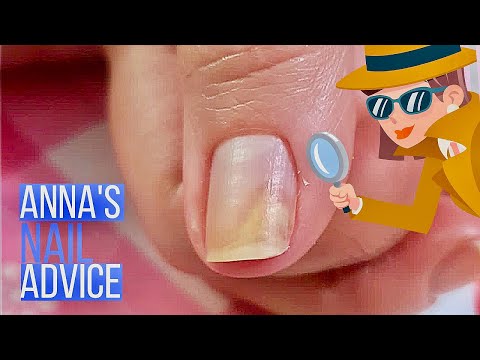
Have you ever noticed a nail that’s lifted away from its nail bed? This condition is known as onycholysis. It might sound complicated, but understanding it is essential for maintaining healthy nails. Onycholysis can result from various factors, including injury, infections, or underlying health conditions. Once you understand the causes and symptoms, you’ll be better equipped to seek effective treatments.
Curiously enough, our nails can tell us a lot about our overall health. Changes in their appearance, like lifting or discoloration, may signify something more than just an annoying cosmetic concern. Imagine your nails as a window to your body’s state. The more you know about onycholysis, the better you’ll be at addressing it promptly.
Warning: Knowledge is power when dealing with onycholysis. This condition can be linked to various health issues that require professional attention. Don’t rely solely on internet sources; it’s crucial to consult multiple specialists and credible media outlets to get well-rounded information tailored to your situation. Taking proactive steps towards understanding this condition will empower you in making informed health decisions.
The information provided in this article is intended solely for general informational and educational purposes. It does not constitute medical advice, diagnosis or professional treatment, and should not be considered a substitute for consultation with a qualified doctor or other licensed healthcare professional. Any health-related decisions should be made in consultation with accredited medical professionals.
While efforts have been made to ensure the information is accurate and up to date, no guarantees are given—either express or implied—regarding its accuracy, completeness, currency or suitability. Use of this information is at your own discretion.
It is strongly recommended to consult official sources such as the NHS (National Health Service) or other recognised medical institutions before acting on any information contained on this website or article. Under no circumstances should professional medical advice be ignored or delayed due to content read here.
This content is of a general and informational nature only. It is not intended to replace individualised guidance from a healthcare professional or to establish any doctor-patient relationship. The publication of this information does not imply any professional responsibility, guarantee or obligation on the part of the author or this site.
Uncovering the Hidden Triggers Behind Nail Separation
Nail separation, known as onycholysis, can be both puzzling and concerning. It happens when the nail lifts away from the nail bed, often revealing a gap underneath. Understanding its triggers can help in prevention and management.
Many factors contribute to onycholysis. One common trigger is injury to the nail. Think of it like a bruise but for your nail; even minor trauma can cause separation.
Infections are another significant cause. Fungal infections can weaken the connection between the nail and its bed, leading to lifting. Yeast infections may also play a role.
Skin conditions like psoriasis are well-known culprits as well. Psoriasis affects skin renewal processes, which can directly impact nails too.
Chemical exposure should not be overlooked. Frequent use of harsh nail products, such as acetone-based removers or certain polishes, may lead to weakening.
Another less talked about trigger is systemic health issues. Conditions like thyroid disorders or iron deficiency can manifest in various ways including changes in nails.
Sometimes medications like chemotherapy drugs have side effects that affect nails too. This is not uncommon among those undergoing treatment for other health concerns.
You might wonder about symptoms beyond separation itself. Common signs include discoloration or changes in texture around the affected area.
Treatment starts with identifying the underlying cause. If it’s due to an injury, keeping the area clean and protected is key.
For fungal infections, over-the-counter antifungals or prescription treatments might be necessary after consulting with a health care provider.
Additionally, improving overall nutrition ensures nails receive essential nutrients needed for strength and stability.
– Prioritize hydration.
– Eat a balanced diet rich in vitamins.
– Consider biotin supplements if lacking nutrients from food alone.
Remember that preventing further separation involves gentle care of your nails. Avoid playing with them or using them as tools!
If you notice persistent symptoms or if onycholysis doesn’t improve, seeking guidance from a healthcare provider could lead to better insights into your specific situation.
Staying informed helps you make choices that protect your nail health!
Exploring Effective Solutions for Nail Separation and Health Restoration
Nail separation, known as onycholysis, can be a puzzling and uncomfortable condition. It occurs when the nail comes loose from its nail bed. Understanding what causes it and how we can support nail health is essential.
There are several possible causes of onycholysis. These include:
Symptoms are straightforward. You may notice your nail lifting away from the bed and possibly changing color. Sometimes, there’s tenderness or discomfort involved.
When it comes to treatment, some approaches can help restore nail health. Here are a few common strategies:
It’s also valuable to nourish your body with good nutrition. Eating a balanced diet rich in vitamins can support overall nail health.
If onycholysis persists, consulting a healthcare professional is wise. They can provide tailored guidance based on individual needs.
Remember that patience is key; nails grow slowly, so recovery may take time. Regular care and protection can make a difference in how quickly you see improvement.
Also, be mindful of common myths around nails—like believing that biting them will always lead to separation or that only cosmetic products matter for their health. The reality is more nuanced than that.
Overall, understanding onycholysis helps in making informed choices about prevention and care. Be gentle with yourself as you navigate this condition and seek support when needed!
Simple Steps to Identify Nail Separation and Understand Its Causes
Nail separation, also known as onycholysis, is a condition where the nail plate begins to lift away from the nail bed. This can be an unsettling sight for many. Understanding how to identify this condition and what might cause it is essential for maintaining healthy nails.
To spot nail separation, look for the following signs:
It’s important to know that while onycholysis can happen to anyone, several factors can contribute to its development.
First, trauma is a common cause. If you’ve knocked your nail against something hard or have been using your hands frequently without protection, this could lead to separation.
Second, fungal infections are notorious culprits. These infections thrive in warm and moist environments and can make your nails appear thickened and discolored.
Another factor is exposure to harsh chemicals. Frequent use of cleaning products or nail polish removers can irritate the nails, leading them to peel away from the skin.
Additionally, certain medical conditions like psoriasis or thyroid issues can also result in onycholysis. These conditions affect how your body functions and might impact your nails’ health.
Pay attention if you notice any symptoms of onycholysis persisting over time. While temporary changes could be normal after an injury or exposure to chemicals, ongoing issues may warrant a closer look.
If you’re experiencing persistent nail separation with discomfort or other symptoms like swelling or redness around the area, it’s advisable to seek professional guidance.
In summary:
Taking steps toward better nail care includes being mindful of both external factors like injuries and internal factors related to overall health. Stay informed about changes in your body as they play a significant role in health decisions you make daily.
Onycholysis is a condition where the nail separates from its bed. It can affect any nail and may occur for various reasons, impacting not just appearance but also overall nail health.
The causes of onycholysis are diverse. They include trauma, which might be as simple as bumping a finger, or repetitive injury from activities like typing. Fungal infections are another common cause, as are skin conditions such as psoriasis or eczema. Additionally, systemic issues like thyroid disease or nutritional deficiencies can play a role.
Symptoms typically involve the visible separation of the nail from the nail bed, often accompanied by changes in color beneath the nail or a feeling of discomfort. While it may seem minor at first glance, untreated onycholysis can lead to more severe infections.
Treatment largely depends on the underlying cause. For instance, in cases related to trauma, ensuring protection of the nail may suffice. If an infection is present, antifungal treatments might be necessary. In some instances, addressing nutrient deficiencies through dietary changes is essential.
Understanding onycholysis empowers individuals to make informed health choices. Regularly monitoring nails for changes can lead to early detection and intervention, ultimately promoting better outcomes for those affected by this condition.