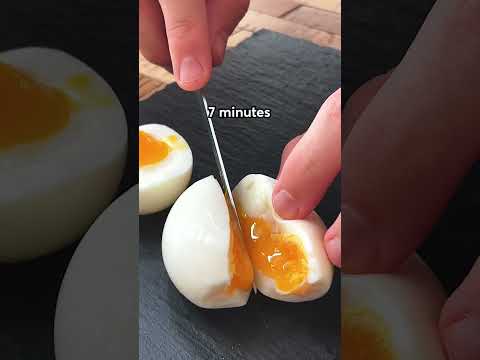
Boiling eggs might seem simple, but achieving that perfect texture is a culinary art. Whether you’re craving a creamy soft-boiled egg for breakfast or a firm hard-boiled one for a salad, timing is everything. Just a minute can make the difference between an undercooked yolk and one that crumbles effortlessly when sliced.
Soft-boiled eggs have silky, runny yolks. They require about 6 to 7 minutes of boiling in simmering water. On the other hand, hard-boiled eggs need a little more patience: around 9 to 12 minutes will give you that fully set yolk. Experimenting with timings can lead to delicious results tailored to your taste.
However, it’s essential to approach cooking—and health—with care. While the information here provides guidelines, everyone’s stove and egg size can vary. Always seek advice from various sources and reliable specialists when it comes to food preparation and health practices. This way, you’ll not only hone your egg-boiling skills but also ensure you’re making informed decisions about your meals!
The information provided in this article is intended solely for general informational and educational purposes. It does not constitute medical advice, diagnosis or professional treatment, and should not be considered a substitute for consultation with a qualified doctor or other licensed healthcare professional. Any health-related decisions should be made in consultation with accredited medical professionals.
While efforts have been made to ensure the information is accurate and up to date, no guarantees are given—either express or implied—regarding its accuracy, completeness, currency or suitability. Use of this information is at your own discretion.
It is strongly recommended to consult official sources such as the NHS (National Health Service) or other recognised medical institutions before acting on any information contained on this website or article. Under no circumstances should professional medical advice be ignored or delayed due to content read here.
This content is of a general and informational nature only. It is not intended to replace individualised guidance from a healthcare professional or to establish any doctor-patient relationship. The publication of this information does not imply any professional responsibility, guarantee or obligation on the part of the author or this site.
Discover the Perfect Egg Cook Times for Your Next Breakfast Idea
Eggs are a breakfast staple for many. They’re versatile, packed with protein, and can be cooked in various ways. One popular method is boiling. But what’s the secret to achieving that perfect boiled egg?
The key lies in timing. Different cooking times give you different results, whether you prefer your eggs soft or hard-boiled.
For soft-boiled eggs>, aim for around 6 to 7 minutes. This will leave the yolk runny and the white just set. It’s great for dipping toast or mixing into ramen.
On the flip side, hard-boiled eggs> need about 9 to 12 minutes. The longer they cook, the firmer the yolk becomes. If you’re making egg salad or deviled eggs, this is your go-to time.
Here’s a quick reference:
Remember to adjust times based on how cold your eggs are before cooking. If they come straight from the fridge, add an extra minute or two.
After boiling, immerse them in cold water right away. This halts cooking and makes peeling easier too!
Every stove might cook differently, so it might take a bit of experimenting to get it just right. Don’t be afraid to try again if your first batch isn’t perfect.
In conclusion, mastering egg boil times can enhance your breakfasts tremendously. With practice and patience, you’ll find your ideal timing for those delicious eggs!
Unlocking the Perfect Egg: The Truth About Time and Temperature
Cooking the perfect egg can feel like an art form. However, it’s really all about understanding time and temperature. When done right, you can enjoy both soft and hard-boiled eggs with just the right texture.
Soft-boiled eggs typically take less time than hard-boiled ones. For a soft yolk that is still runny, you should cook the eggs for about 6 to 7 minutes. This will give you that delightful creamy center.
For those who prefer hard-boiled eggs, you’ll want to increase the cooking time to around 9 to 12 minutes. The exact time depends on how well-done you like your yolk. A 9-minute boil yields a slightly softer center, while 12 minutes gives you a fully set yolk.
Temperature matters too! Cooking at a consistent simmer is key. If your water is boiling too vigorously, it can cause the shells to crack or the insides to cook unevenly.
Here are some tips for perfect boiling:
One common myth is that adding salt or vinegar helps with peeling boiled eggs. While these ingredients won’t harm anything, the freshness of the egg matters more when it comes to peeling them easily.
In summary, mastering boiled eggs involves knowing how long and at what temperature to cook them. With this knowledge, you’ll be on your way to enjoying perfectly cooked eggs—whether soft or hard! Experimenting with your times can help find that sweet spot that suits your taste buds best. Enjoy!
Unlock the Secrets to Egg-cellent Breakfasts: The Ultimate Timing Guide for Soft Boiled Perfection
Eggs are a breakfast classic. They are versatile, packed with nutrients, and can be cooked in many ways. One popular method is boiling, which can yield both soft and hard boiled eggs. Understanding the timing for each is key.
Soft boiled eggs have a runny yolk and creamy texture. They’re often enjoyed in an egg cup with toast soldiers for dipping. To achieve that perfect soft boil, timing is everything.
Here’s a simple guide to get it just right:
This quick cooling helps set the whites while keeping the yolks nice and runny. It’s much like pulling cookies from the oven right when they look done; let them sit too long, and you risk overcooking.
Now what about hard-boiled eggs? If you prefer your yolks fully cooked, then aim for:
A longer boil means firmer whites and a crumbly yolk without any greenish ring around it.
Remember that factors like altitude and egg size can affect cooking time. The higher you are above sea level, the lower the air pressure; this can cause water to boil at lower temperatures.
Also keep in mind that older eggs peel more easily than fresh ones. When making hard-boiled eggs, using slightly aged eggs can save you frustration when peeling later on.
So next time you’re prepping breakfast, think of boiling as an art form! Adjust your times based on personal preference for softness or firmness.
Experimenting is part of the fun! Don’t hesitate to try variations like seasoning your water or adding vinegar – it could enhance flavor or even help with peeling!
Enjoy exploring this simple yet satisfying method of preparing your morning meal. With practice, you’ll unlock egg-cellent breakfasts that everyone will love!
Cooking the perfect egg may seem simple, but achieving the ideal hard or soft boil requires precision. Understanding the science behind it can enhance your culinary skills and elevate your meals.
To boil an egg perfectly, time is crucial. For soft-boiled eggs, about 6 to 7 minutes of simmering will give you a creamy yolk with a slightly runny center. If you prefer hard-boiled eggs, aim for 9 to 12 minutes. This duration allows the whites to firm up while giving yolks that are fully cooked.
Temperature plays a significant role as well. Starting with cold water and bringing it to a gentle boil helps prevent cracking and ensures even cooking. Adding vinegar or salt may further minimize cracks but isn’t necessary for perfect results.
After boiling, plunging the eggs into ice water stops the cooking process instantly, helping maintain that desired texture. Timing and temperature management are just as vital in cooking as they are in health; both demand careful attention for optimal outcomes.
Understanding these parameters not only brings enjoyment in cooking but also showcases the beautiful versatility of eggs in our diets. Whether soft or hard, they’re nutrient-rich and can be part of a balanced meal. So, next time you reach for that carton of eggs, remember: precise timing makes all the difference!