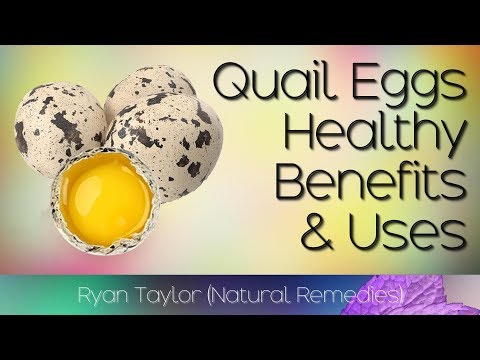
Quail eggs may be small, but they pack a powerful punch when it comes to nutrition. Imagine tiny treasures filled with proteins, vitamins, and minerals that can enrich your diet in delightful ways. These delicate eggs have been a part of culinary traditions around the world for centuries, and their appeal is growing among health enthusiasts today.
What makes quail eggs so special? For starters, they are rich in essential nutrients like vitamin B12 and selenium. They also contain healthy fats that support brain function and keep you feeling satiated. Many people enjoy them for their unique flavor, which can elevate any dish, from salads to gourmet appetizers.
However, while quail eggs offer numerous perks, it’s important to approach them with knowledge. Always remember that safety matters when introducing new foods into your diet. Quail eggs should be sourced responsibly to avoid potential contamination.
Here’s a friendly reminder: always inform yourself from trusted sources before making dietary changes. Different specialists and various media outlets can provide valuable insights tailored to your needs. Curiosity is encouraged, but ensure you’re well-informed for a safe and nutritious experience!
The information provided in this article is intended solely for general informational and educational purposes. It does not constitute medical advice, diagnosis or professional treatment, and should not be considered a substitute for consultation with a qualified doctor or other licensed healthcare professional. Any health-related decisions should be made in consultation with accredited medical professionals.
While efforts have been made to ensure the information is accurate and up to date, no guarantees are given—either express or implied—regarding its accuracy, completeness, currency or suitability. Use of this information is at your own discretion.
It is strongly recommended to consult official sources such as the NHS (National Health Service) or other recognised medical institutions before acting on any information contained on this website or article. Under no circumstances should professional medical advice be ignored or delayed due to content read here.
This content is of a general and informational nature only. It is not intended to replace individualised guidance from a healthcare professional or to establish any doctor-patient relationship. The publication of this information does not imply any professional responsibility, guarantee or obligation on the part of the author or this site.
Discover the Surprising Nutritional Boost from These Tiny Powerhouses
Quail eggs, though small, are packed with nutrition. These tiny eggs have been a part of diets in various cultures for centuries. Their unique profile offers surprising benefits.
One quail egg contains more nutrients compared to a chicken egg when you look at size. They are rich in vitamins A, B2, and B12. These vitamins support eye health and energy production.
Here are some key perks:
Some people enjoy quail eggs raw, believing it retains all the nutrients. However, cooking them can kill harmful bacteria and is generally safer.
Safety insights matter when considering quail eggs. Always purchase from reputable sources to avoid contamination. Wash your hands after handling them, just like any other egg.
It’s easy to add quail eggs to various dishes. You can boil them for salads or fry them as a fancy topping on meals.
But keep in mind that moderation is key with any food. Eating too many of anything can lead to imbalances in your diet.
Myths about eggs often float around too. For instance, some worry about cholesterol levels linked with eggs. Recent studies suggest moderate egg consumption does not significantly affect heart disease risk for most people.
Always remember that what works best varies by individual. It’s important to listen to your body and consult professionals when making diet changes.
Incorporating small foods like quail eggs into a balanced diet can offer diverse nutritional benefits while keeping meals interesting!
Discover the Surprising Benefits of Quail Eggs for Your Diet
Quail eggs are small but packed with nutrients. They might not be as popular as chicken eggs, but they offer some surprising benefits that could add interest to your diet.
First off, quail eggs are rich in protein. Just like chicken eggs, they contain high-quality protein which helps build and repair tissues. A single quail egg has about 6 grams of protein, making it a great snack or addition to meals.
They also boast a variety of vitamins and minerals. Quail eggs are a good source of vitamin B12, iron, and selenium. These nutrients support energy production, immune function, and overall health. Think of them as tiny powerhouses for your body.
Many people are surprised to learn that quail eggs have less cholesterol than chicken eggs. While dietary cholesterol’s impact on heart health is debated, if you’re watching your cholesterol intake, this could be an appealing option.
The flavor profile is another reason to try quail eggs. They have a rich and slightly creamy taste that can enhance many dishes. You can use them in salads, sushi, or even just boiled as a snack!
Cooking with quail eggs opens up culinary creativity too. They can be prepared in various ways—boiled, fried or even pickled! Experimenting with these can make everyday meals more exciting.
Some folks also believe that quail eggs help with allergies. While more research is needed here, some people claim they experience fewer allergy symptoms after eating them regularly. It’s an area worth exploring if you suffer from seasonal allergies.
However, just like any food item, it’s important to consider food safety. Make sure to source them from reputable suppliers to avoid any risk of foodborne illnesses. When preparing them at home, ensure they’re cooked properly before consumption.
Lastly, moderation is key! Incorporating variety into your diet is essential for overall health. Quail eggs can be part of this variety but should not replace other nutritious foods.
In conclusion, quail eggs present several unique benefits that make them worth considering for your meals. They’re nutritious and versatile—perfect for the adventurous eater looking to try something new!
Uncovering the Nutritional Powerhouse Behind a Small Shell
Quail eggs are often overlooked but are packed with nutrients. These small shells contain a treasure trove of vitamins and minerals. Just like their larger chicken counterparts, quail eggs offer multiple benefits.
First, let’s talk about their size. Quail eggs are tiny, usually about one-third the size of a chicken egg. Despite this, they boast impressive nutritional value.
Here’s what makes quail eggs special:
In terms of taste, quail eggs have a slightly richer flavor compared to chicken eggs. This can add a gourmet touch to various dishes.
Now let’s address safety. Like any food product, it’s important to handle them properly. Make sure they come from reputable sources to minimize risks of contamination.
Key safety tips include:
Some people may have allergies or dietary restrictions that complicate egg consumption. Always be cautious if you’re trying something new for the first time.
The myth that smaller eggs offer fewer benefits is simply untrue when it comes to quail eggs. They can be just as nourishing as their larger versions.
In summary, quail eggs are a nutrient-dense option worth considering for diverse diets. They offer a unique flavor profile while providing essential vitamins and proteins.
Remember that variety is key in nutrition. Incorporating different foods into your diet ensures you get a well-rounded intake of nutrients for overall health and wellness. Always consider your personal needs and consult with knowledgeable sources when making dietary choices!
Quail eggs often get less attention than chicken eggs, but they pack a nutritious punch. These tiny eggs are rich in vitamins, minerals, and proteins, making them a valuable addition to a balanced diet. They contain higher amounts of vitamin B12 and iron compared to their chicken counterparts. This makes them particularly beneficial for those needing extra support for energy levels and blood health.
Nourishment is one of the key reasons people might consider adding quail eggs to their meals. They are smaller and have a delicate flavor that can enhance various dishes. From salads to gourmet recipes, quail eggs can be an appealing choice for culinary enthusiasts.
However, there are some perks worth noting. Quail eggs have been touted for their supposed health benefits, including improving skin health and boosting the immune system. While they do contain beneficial nutrients, it’s essential not to overstate these claims without scientific backing.
When it comes to safety, ensuring you consume properly sourced and cooked quail eggs is vital. Like all eggs, they can carry a risk of salmonella if not handled correctly. Cooking them thoroughly minimizes this risk significantly.
In summary, quail eggs can be a nutritious choice when enjoyed as part of a diverse diet. Remember that moderation is key; try to incorporate them thoughtfully alongside other food sources for optimal nutrition. Always prioritize food safety by sourcing fresh products and cooking them properly.