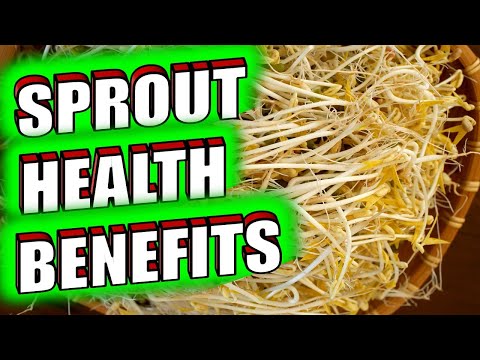
Have you ever added raw sprouts to your salads or sandwiches thinking they would boost your health? You’re not alone. These tiny powerhouses are often celebrated for their delicious crunch and impressive nutrient profile. Sprouts like alfalfa, broccoli, and mung bean pack vitamins, minerals, and enzymes that can enhance digestion and support overall wellness.
However, beneath their appealing exterior lies a complex story. While raw sprouts offer nourishing perks, they also harbor some hidden risks that are important to understand. Like any food, it’s essential to weigh the benefits against potential hazards—after all, knowledge is key in making healthy choices.
Warning: Raw sprouts can be a breeding ground for harmful bacteria like E. coli or Salmonella. While many people enjoy them safely, those with weakened immune systems—such as pregnant women or the elderly—should approach them with caution. It’s crucial to educate yourself from various reliable sources and consult with nutritionists or health experts before incorporating raw sprouts into your diet regularly. Staying informed helps you enjoy the perks while minimizing risks!
The information provided in this article is intended solely for general informational and educational purposes. It does not constitute medical advice, diagnosis or professional treatment, and should not be considered a substitute for consultation with a qualified doctor or other licensed healthcare professional. Any health-related decisions should be made in consultation with accredited medical professionals.
While efforts have been made to ensure the information is accurate and up to date, no guarantees are given—either express or implied—regarding its accuracy, completeness, currency or suitability. Use of this information is at your own discretion.
It is strongly recommended to consult official sources such as the NHS (National Health Service) or other recognised medical institutions before acting on any information contained on this website or article. Under no circumstances should professional medical advice be ignored or delayed due to content read here.
This content is of a general and informational nature only. It is not intended to replace individualised guidance from a healthcare professional or to establish any doctor-patient relationship. The publication of this information does not imply any professional responsibility, guarantee or obligation on the part of the author or this site.
Uncovering the Hidden Risks of Your Favorite Healthy Snack
Many people enjoy raw sprouts as a healthy snack. They add a crunchy texture and fresh flavor to salads, sandwiches, and wraps. But while they can be packed with nutrients, it’s important to understand their hidden risks.
Raw sprouts are seeds that have been germinated, like alfalfa or bean sprouts. They are often celebrated for their vitamins, minerals, and enzymes. However, they also come with some concerns regarding food safety.
One major risk of raw sprouts is the potential for bacterial contamination. Sprouts grow in warm and humid conditions—perfect for bacteria like Salmonella and E. coli. These bacteria can lead to serious foodborne illnesses.
The growing process itself creates these risks. The seeds used for sprouting can be contaminated before they even become sprouts. If proper hygiene and sanitation aren’t followed during sprouting, the germs can multiply rapidly.
Here are some key points to consider:
It’s also wise to pay attention if you’re in a high-risk group, such as pregnant women or those with weakened immune systems. For individuals in these categories, the risks may outweigh the benefits.
In conclusion, while raw sprouts can be a nutritious addition to your diet, being aware of their hidden risks is essential. Enjoy them responsibly by prioritizing food safety measures. This way you can savor their benefits without compromising your health!
Uncovering the Risks and Rewards of Eating Sprouts Fresh from the Garden
Eating sprouts straight from the garden can be an exciting and nutritious option. They are small, crunchy, and packed with flavor. But it’s important to know both the perks and the potential risks before you dive in.
What Are Sprouts?
Sprouts are young plants that are harvested just after germination. Common types include alfalfa, broccoli, and mung bean sprouts. When grown at home, they can be fresh and organic.
Nourishing Perks
Sprouts are often loaded with vitamins and minerals. They can contain vitamin C, iron, potassium, and various antioxidants. Eating them can add a burst of nutrients to your salads or sandwiches.
Now let’s talk about some hidden risks associated with eating raw sprouts.
The Risks Involved
One major concern is bacteria. Raw sprouts can sometimes harbor harmful bacteria like E. coli or Salmonella due to warm and moist conditions they grow in.
Even if you’re growing them yourself, the risk is present. Germs can thrive in homemade conditions without proper care.
It’s also important to store them properly to avoid spoilage. Keeping them refrigerated helps slow down bacterial growth.
A Balanced Decision
So should you eat raw sprouts? A balanced approach often works best. You might enjoy their taste while being mindful of safety measures.
Mixing cooked sprouts into your meals could be a great compromise! This way you reap the benefits while minimizing health risks.
Remember to stay informed about where your food comes from—whether that’s from your garden or the grocery store—so you can make choices that suit your lifestyle best!
Uncover the Surprising Health Benefits Packed in Every Bite
Raw sprouts are little powerhouses of nutrition. They’re packed with vitamins, minerals, and antioxidants that contribute to a healthy diet. Eating them can be as simple as tossing them into salads or sandwiches.
Here are some of the key health benefits:
However, while sprouts have many benefits, there are also hidden risks to consider.
One major concern is the potential for bacterial contamination. Because they’re grown in warm, moist conditions, they can harbor harmful bacteria like Salmonella or E.coli.
Here’s how you can enjoy sprouts more safely:
In conclusion, raw sprouts can add great nutritional value to your meals but must be eaten with care. They offer many benefits but also come with certain risks. By being educated on both sides, you can make informed decisions about including them in your diet.
Always remember that balance is crucial when it comes to food choices! Eating a variety of foods will help ensure you get all the nutrients you need while minimizing any risks associated with specific items like raw sprouts.
Raw sprouts might seem like a healthful addition to salads and sandwiches, but they come with a complex mix of benefits and risks that deserves careful consideration.
On the positive side, sprouts are packed with nutrients. They are rich in vitamins, minerals, and enzymes that can aid digestion. Their crunchy texture adds a delightful freshness to meals. Additionally, sprouts are low in calories, making them an appealing choice for those looking to maintain or lose weight.
However, it’s crucial to recognize the hidden risks associated with consuming raw sprouts. Sprouts are often grown in warm and humid conditions, which can create an ideal environment for harmful bacteria like Salmonella or E. coli to thrive. This contamination risk is particularly concerning for vulnerable populations, such as pregnant women or individuals with weakened immune systems.
When considering whether to include raw sprouts in your diet, think of them like unwashed fruits and vegetables—even though they’re packed with nutrients, they can also harbor pathogens if not handled properly.
To minimize risk:
In conclusion, while raw sprouts offer numerous health benefits, it is essential to weigh these against their potential risks carefully. Making informed choices about food safety can help you enjoy the nourishing perks without compromising your health.