The information provided in this article is intended solely for general informational and educational purposes. It does not constitute medical advice, diagnosis or professional treatment, and should not be considered a substitute for consultation with a qualified doctor or other licensed healthcare professional. Any health-related decisions should be made in consultation with accredited medical professionals.
While efforts have been made to ensure the information is accurate and up to date, no guarantees are given—either express or implied—regarding its accuracy, completeness, currency or suitability. Use of this information is at your own discretion.
It is strongly recommended to consult official sources such as the NHS (National Health Service) or other recognised medical institutions before acting on any information contained on this website or article. Under no circumstances should professional medical advice be ignored or delayed due to content read here.
This content is of a general and informational nature only. It is not intended to replace individualised guidance from a healthcare professional or to establish any doctor-patient relationship. The publication of this information does not imply any professional responsibility, guarantee or obligation on the part of the author or this site.
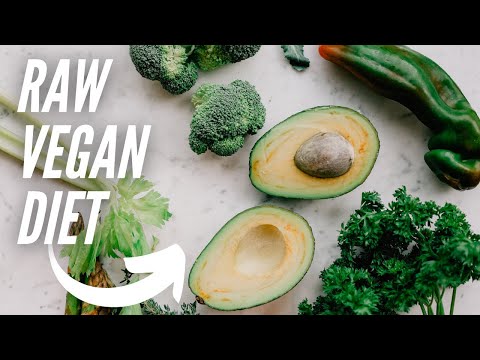
Have you ever thought about what exactly goes into your food? It’s a fascinating question, and it gets even more interesting when we talk about the raw vegan diet. Picture this: what if all your meals were made up of unprocessed fruits, vegetables, nuts, and seeds? Sounds refreshing, right? Many people believe that eating raw can be life-changing.
This article will dive into the benefits and potential pitfalls of the raw vegan lifestyle. We’ll explore how it may boost energy and vitality while also examining concerns like nutritional deficiencies that can arise without careful planning. Because, you know, not everything is as straightforward as it seems.
Eating raw looks appealing to some folks who want to enhance their health naturally. But it’s crucial to consider both sides of the coin. As much as this diet has its strong proponents, there are also valid arguments against it. Remember, health decisions should never be a solo act just based on an article like this one; always consult a healthcare professional first!
Discover the Surprising Benefits of a Plant-Based Diet for Longevity
The Raw Vegan Diet: Exploring Benefits and Health Risks
The raw vegan diet is gaining attention for its potential benefits, especially in the context of longevity. So, what’s it all about? Basically, this diet consists of plants – fruits, veggies, nuts, seeds – that are consumed raw or minimally processed. It’s like eating food in its original state as much as possible.
Benefits of a Raw Vegan Diet
One of the main perks people often mention is an increase in energy levels. This could be due to the abundance of vitamins and minerals found in fresh produce. Fruits and vegetables are rich in antioxidants that help protect your cells from damage. Think of them as little warriors fighting off free radicals!
A study from the Journal of Nutritional Science highlighted that those following plant-based diets tend to have lower rates of heart disease and certain cancers. Why? It’s possibly because they consume higher amounts of fiber and lower amounts of saturated fats compared to those who eat meat.
Losing weight can also be a common outcome for many people on this type of diet. Since it emphasizes whole foods and cuts out a lot of processed items, over time it can lead to healthier body composition. But remember: simply eating raw vegan doesn’t mean you’ll lose weight if you’re consuming high-calorie items like nuts excessively.
Health Risks to Consider
Now, it’s not all sunshine and rainbows. Some folks may experience nutrient deficiencies on a strict raw vegan diet. Vitamins B12 and D are often found in animal products; so if you’re avoiding those completely, you might want to think about how you’re going to get them elsewhere or consider supplements.
You know how some foods are more digestible when cooked? That’s true! Foods like tomatoes actually release more lycopene when cooked which is beneficial for heart health too! And let’s not forget about legumes—raw beans can be toxic if consumed without proper preparation.
Listen to Your Body
If you’re thinking about trying a raw vegan diet for longevity reasons, it’s smart to listen closely to your body. Everyone’s nutritional needs differ based on factors such as age, gender, activity level etc., so personalization is key here.
Incorporating cooked foods occasionally could balance things out while still enjoying many advantages from plant-based meals. Also remember social aspects—eating with family or friends can sometimes take a backseat when super strict dietary rules come into play!
Wrapping Up
A raw vegan diet has potential benefits but it also comes with some risks that shouldn’t be ignored. If you’re considering making significant changes—like adopting this lifestyle—it might be worth having an open conversation with someone knowledgeable about nutrition or health.
The bottom line is simple: moderation matters; nourishing yourself well should always be at the forefront!
Unveiling the Hidden Challenges of Going Raw Vegan
What is a Raw Vegan Diet?
A raw vegan diet is plant-based eating that involves consuming fruits, vegetables, nuts, and seeds in their uncooked state. Essentially, it means no animal products and no cooking above 118°F (48°C). You might think of it as a fresher version of veganism.
Benefits You Might Experience
Many people say they feel more energetic on a raw vegan diet. It’s true that fresh foods are rich in vitamins and minerals. Eating plenty of fruits and veggies can give you some health perks like improved digestion.
- High in Antioxidants: Fruits and vegetables often contain these compounds which help fight free radicals in the body.
- Weight Management: Since raw foods tend to be lower in calories, some find it easier to manage weight.
- Improved Skin: Lots of water-rich fruits & vegetables can boost hydration levels for your skin.
Potential Downsides
But it’s not all peachy. A key challenge is the risk of nutritional deficiencies. For instance, vitamin B12 primarily comes from animal sources. So if you’re not careful, you might miss out on this important vitamin.
- Lack of Protein: Some may struggle to get enough protein without cooked legumes or grains.
- Iodine Deficiency: Seaweed might be your only source on this diet; otherwise, it’s easy to miss out.
- Difficulties with Digestion: Some raw foods can be tough to break down for our stomachs.
The Social Aspect
Cultural and social settings can also become tricky when you’re sticking to a strict raw vegan diet. Going out with friends for dinner? That could be challenging! Sometimes restaurants may not cater to such specific needs—so planning becomes crucial.
Navigating Cravings
If you’ve been used to cooked or comfort foods, transitioning might stir up cravings. This is totally normal!
- You could feel tired during the adjustment phase or even experience headaches from detoxing off certain foods!
Your Personal Experience Matters
The journey will be different for everyone. While some thrive on it, others may find it hard after a while. Pay attention to what your body tells you—it’s incredibly good at signaling when something’s off.
A Balanced Approach?
You don’t have to commit fully right away. Mixing raw foods with some cooked options could provide balance while still allowing room for delicious salads and smoothies!
Final Thoughts
If you’re curious about trying a raw vegan diet, consider doing your research first! Talk with people who have experienced it themselves or consult with those knowledgeable about nutrition—it never hurts to hear different perspectives!
Transform Your Health and Energy with a Raw Vegan Journey
The Raw Vegan Diet: An Overview
So, you might be wondering what a raw vegan diet is all about. Simply put, it’s a way of eating where you consume only unprocessed fruits, vegetables, nuts, seeds, and sprouted grains. No cooking—just pure, whole foods. The idea is to keep all the vitamins and enzymes intact.
Potential Benefits
Many people are attracted to this diet for various reasons. For starters, it can lead to weight loss since raw foods are generally low in calories and high in fiber. That means you can feel full without consuming too many calories.
Plus, a raw vegan diet might improve digestion for some folks. With all that fiber from fruits and veggies, your gut may function better. And don’t forget about energy levels! Some adherents report feeling more energetic after switching to a raw vegan lifestyle.
Nutrients & Antioxidants
There’s also the nutrient game to consider. Fresh fruits and veggies are packed with vitamins and antioxidants like vitamin C or beta-carotene which help protect your cells from damage. Think of them as tiny bodyguards!
Health Risks to Consider
No diet is without its risks though; the raw vegan approach has its share of potential downsides as well.
First up is nutrient deficiency. Without careful planning, it could be tricky to get enough protein, iron or B12—which are often found in animal products. If you don’t watch out for these nutrients specifically, your body might not get everything it needs.
Bacterial Risks
You should also consider food safety! Raw produce carries bacteria risks that cooking usually takes care of. Contaminated fruits or vegetables can lead to foodborne illnesses like salmonella or E.coli infections.
A Balanced Mindset
If you’re thinking about adopting this lifestyle long-term, it’s wise to stay informed and balanced in your approach. Maybe consider consulting with someone experienced who understands plant-based nutrition—just so you’re covering all your bases.
The Bottom Line
A raw vegan journey can indeed transform health for some people by increasing energy levels while emphasizing fresh foods but it’s essential to pay attention to what your body tells you along the way.
- Listen closely; everyone reacts differently!
- Keep an eye on nutritional balance.
- Cultivate a curious mindset—explore various plant-based recipes!
- You know? Enjoy the process!
The Raw Vegan Diet: Exploring Benefits and Health Risks
The raw vegan diet is an interesting approach to eating, combining both raw foods and a plant-based lifestyle. Basically, it means consuming fruits, vegetables, nuts, seeds, and whole grains that haven’t been cooked above a certain temperature. This can be appealing because it emphasizes whole foods that are packed with nutrients.
One of the main benefits of this diet is the high intake of vitamins and minerals. Fresh produce is loaded with antioxidants—these help protect your body from damage caused by free radicals. Plus, many people report increased energy levels when they switch to this type of diet. It’s like fueling your car with premium gas; you get better performance.
However, it’s not all sunshine and rainbows. There are several health risks associated with not cooking food. Cooking can kill harmful bacteria and make some nutrients more absorbable. For instance, tomatoes release more lycopene—an antioxidant—when cooked. So going raw could mean missing out on certain health benefits.
Nutritional deficiencies are another concern. It’s crucial to ensure you’re still getting enough protein, Vitamin B12, iron, and essential fatty acids in a raw vegan diet. These nutrients can be tricky to find solely through raw plant sources.
Some people might also experience digestive issues when transitioning to a high-fiber diet like this one. It’s kind of like jumping into a marathon without training; your body needs time to adjust.
If someone is considering this diet, it’s important for them to do their research or even talk to someone knowledgeable about nutrition—just to make sure they’re meeting all their dietary needs.
In essence, while the raw vegan diet offers some appealing benefits regarding nutrition and energy levels, it also comes with challenges that shouldn’t be ignored. Finding a balance is key; after all, everyone’s dietary needs are different!