The information provided in this article is intended solely for general informational and educational purposes. It does not constitute medical advice, diagnosis or professional treatment, and should not be considered a substitute for consultation with a qualified doctor or other licensed healthcare professional. Any health-related decisions should be made in consultation with accredited medical professionals.
While efforts have been made to ensure the information is accurate and up to date, no guarantees are given—either express or implied—regarding its accuracy, completeness, currency or suitability. Use of this information is at your own discretion.
It is strongly recommended to consult official sources such as the NHS (National Health Service) or other recognised medical institutions before acting on any information contained on this website or article. Under no circumstances should professional medical advice be ignored or delayed due to content read here.
This content is of a general and informational nature only. It is not intended to replace individualised guidance from a healthcare professional or to establish any doctor-patient relationship. The publication of this information does not imply any professional responsibility, guarantee or obligation on the part of the author or this site.
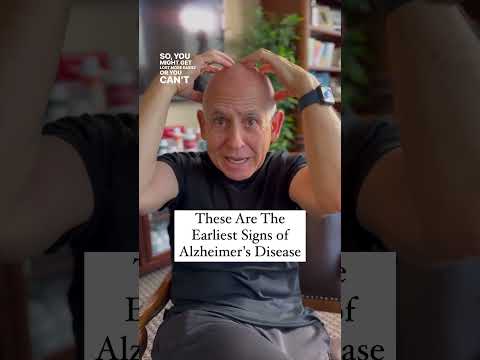
Ever found yourself walking into a room and forgetting why you went in? It’s something many of us experience from time to time. But what if that’s a sign of something more serious, like Alzheimer’s disease?
Alzheimer’s isn’t just about forgetfulness. It affects millions of people and their families, creating challenges that can be overwhelming. The thing is, early detection can make a real difference. It opens the door to planning, support, and possibly slowing down the progression.
This article aims to shed light on recognizing early symptoms of Alzheimer’s disease. You’ll learn about subtle signs that might seem innocuous but could warrant attention. Understanding these symptoms is crucial—not just for you but for loved ones who may need your support.
But remember, this content isn’t a substitute for professional medical advice. Always consult a healthcare provider when it comes to health decisions. We’re here to help guide you with knowledge, but real conversations with professionals are irreplaceable.
Recognize the early clues that could change everything
Understanding Early Signs of Alzheimer’s Disease
Recognizing the early symptoms of Alzheimer’s can be really important. You know, it might not just change the way we view the disease but also how we can support someone going through it. So, what should you look for?
Memory Loss
One of the first signs is often memory loss. Think about those moments when you forget a name or misplace your keys. It can happen to anyone! But with Alzheimer’s, these memory lapses become more frequent and affect daily life. If a loved one keeps forgetting important dates or asks the same questions over and over, that could raise a red flag.
Difficulties with Planning
Another clue is trouble with planning or solving problems. For example, maybe someone used to manage their finances without issue, but now they struggle to follow a recipe or keep track of monthly bills. That shift can hint at something deeper going on.
Challenges in Daily Tasks
You might notice that activities they once did easily become challenging. Imagine someone who always enjoyed gardening suddenly struggling to remember how to plant flowers or even what time to water them. These changes might seem minor at first but can add up.
Changes in Language
If communication seems different, pay attention! People with early Alzheimer’s may have trouble following conversations or find themselves searching for words more often than before. It’s like watching someone try to describe their favorite book but getting stuck on the title.
Disinterest in Activities
A sudden lack of interest in hobbies or social gatherings might also indicate an issue. If your friend who loved painting suddenly stops picking up their brushes and prefers isolation instead—that’s concerning.
The Importance of Early Recognition
Catching these signs early could potentially change everything for both the individual and family members involved. Early intervention does not mean an immediate fix but may help manage symptoms better and provide support when it matters most.
What Should You Do?
If you recognize these signs in someone you care about, consider having an open conversation with them about your concerns—kindly and gently, of course! Sometimes just talking about how one feels can make a difference.
- Simplify Conversations: Discuss changes without sounding alarmed; people may feel defensive if confronted too directly.
- Encourage Professional Help: A doctor can conduct assessments that might shed light on any underlying issues.
- Pursue Resources: Look into local support groups for caregivers; sharing experiences helps everyone learn more together!
This journey isn’t easy—there’ll be ups and downs along the way—but remember that recognizing these clues early could really help steer things in a better direction for everyone involved.
Discovering Alzheimer’s: A Glimpse into the Eyes That Speak Volumes
Understanding Alzheimer’s Disease
Alzheimer’s disease is a type of dementia. It affects memory, thinking, and behavior. Honestly, it can be pretty complex to understand, but knowing the early symptoms can make a huge difference.
What Are the Early Symptoms?
Often, the first signs are subtle. You might notice someone forgetting recent events or repeating themselves. It’s like when you forget where you left your keys; that happens to everyone sometimes. But when it’s frequent enough to cause concern, it could be something more.
Memory Loss
This is perhaps the most well-known symptom. People may struggle to remember names or appointments. It’s kind of like trying to recall the title of a movie you just watched—frustrating! If this happens more often than not, it’s worth discussing with a healthcare professional.
Difficulties with Everyday Tasks
Another sign might be difficulty in completing familiar tasks. For instance, cooking a favorite recipe could become challenging—like getting lost in the process of making pasta you’ve done a million times before.
Changes in Mood and Personality
You know how sometimes you just feel off? People with Alzheimer’s may experience mood swings more intensely. They may seem confused, anxious, or even withdrawn from social situations they once loved.
Poor Judgment and Decision-Making
This involves making poor choices or being easily influenced by others. Think about spending too much money on an unnecessary item; it’s annoying but usually not alarming unless it happens consistently and impacts daily life.
Visual and Spatial Disturbances
A person may have trouble reading or judging distance. Picture trying to park your car but not quite understanding how far away it is from the curb—that’s similar to what some people with Alzheimer’s might experience.
Why Spotting Symptoms Early Matters
Catching symptoms early can help get support sooner! Sometimes treatments or supportive therapies are available that might ease some challenges down the road.
Myths vs Reality
- Myth: Dementia only affects older people.
- Reality: While age is a risk factor, younger individuals can also develop Alzheimer’s.
- Myth: Memory loss is normal as we age.
- Reality: While some memory issues can occur naturally with aging, consistent forgetting isn’t usual.
The Importance of Open Conversations
If something feels off about memory or behavior changes in yourself or someone else—it’s ok to talk about it! Having an honest discussion can open doors to understanding and support options that might help manage symptoms effectively.
The bottom line? Awareness is key! Recognizing these early signs could lead to crucial conversations that pave the way for better care down the line!
Recognizing the Subtle Clues for a Brighter Future
Understanding Early Symptoms of Alzheimer’s Disease
Recognizing the early signs of Alzheimer’s can be crucial. Think of it like noticing a tiny crack in a wall. If you catch it early, it may be easier to fix things before they get worse.
Memory Loss
One of the most common early signs is memory loss, especially forgetting recent events or conversations. It’s not just typical forgetfulness we all experience sometimes; rather, it’s that feeling when someone repeats a story and you realize they’ve told it several times in just a few weeks.
Difficulty with Planning or Problem Solving
You might notice someone having trouble following a recipe or keeping track of bills. It’s like trying to put together a puzzle but losing track of the pieces—frustrating and confusing.
Confusion About Time and Place
If someone starts to lose track of dates or seasons, it’s worth paying attention. For instance, maybe they wander off during a familiar walk or forget how they got somewhere. Imagine getting lost in your own neighborhood; yeah, that’s unsettling.
Changes in Mood and Personality
Mood swings can also be subtle clues. A normally cheerful person might become irritable or anxious unexpectedly. It’s not just about being grumpy—it can feel like watching someone change colors like a mood ring.
Trouble with Language
If someone struggles to find the right words while speaking or writing, this could be indicative as well. Like trying to describe your favorite song but only remembering bits and pieces—the frustration is real!
Coping Strategies for Families
If you spot these symptoms in yourself or someone close, don’t panic! It’s important to talk openly about what you see. Communication is key here.
- Keep notes: Jot down any changes you observe over time; this might help when discussing concerns with family members or friends.
- Create routines: Establishing predictable daily habits can provide some structure that helps manage confusion.
- Stay engaged: Encourage social interactions—having coffee with friends can work wonders for morale!
The Importance of Early Detection
Catching symptoms early doesn’t mean you’ll get solutions overnight. But it does open up discussions about lifestyle changes and support systems that can enhance quality of life moving foward.
A proactive approach is like tending to that garden before weeds take over—you want to nurture growth rather than fight something larger later on.
A Final Thought
This topic isn’t easy—it touches hearts deeply—but remaining vigilant about these subtle signs can ultimately lead to better outcomes for everyone involved. So keep an eye out and remember: recognizing is the first step toward understanding!
Recognizing the Symptoms of Alzheimer’s Disease Early
Alzheimer’s disease is a complex topic, and early recognition of its symptoms can make a significant difference. You know, it’s not just about memory loss. Many people think of forgetfulness as the main sign, but there’s so much more to it.
Common early symptoms include confusion with time or place. For instance, someone might get lost in familiar surroundings or forget how they got there. This can be really distressing for both the person experiencing it and their loved ones.
Another symptom is difficulty completing familiar tasks. Imagine cooking your favorite recipe but forgetting key steps. Frustrating, right? This sense of losing one’s way in daily activities can highlight issues before official diagnosis.
Changes in mood and personality often appear too. Someone might go from sunny to withdrawn without any apparent reason. Recognizing these shifts can leave hints about deeper problems at play.
The reality is that early detection opens the door to interventions that could help manage symptoms better. Medications and supportive therapies have shown promise when applied sooner rather than later.
It’s essential to approach this subject with compassion and an understanding mindset; after all, it’s not easy for anyone involved when these signs start to manifest.
Educating ourselves on what to look for means we can advocate more effectively for our loved ones while staying informed about the condition’s progressions.
A simple question can sometimes lead us: “Have you noticed anything unusual lately?” Engaging in conversations like this may reveal important insights before things escalate further.